
Buckinghamshire · Amersham · Town service guide
Renderingin Amersham.
Rendering changes the outside face of a building, but the success of the work depends on what is happening underneath. The question is whether the wall can take the chosen system and how the new finish will deal with junctions, moisture and existing defects.
- Service
- Rendering
- Town / city
- Amersham
- County
- Buckinghamshire
- Next step
- Discuss your project
Your project brief
Assess the wall before choosing a render system
Cracking, trapped moisture and weak areas can all affect how a render performs. The background should be checked for soundness, and the existing finish should be considered before any new coat is specified. If the wall is not suitable, the render may fail even if the surface looks even at first.
Older walls may need a more breathable, compatible approach than a modern hard finish. That is a material choice, not a style preference. A proper brief should describe the wall condition, the repair needed and any areas where the render must meet other materials such as brick, timber or openings.
Amersham checks before exterior render work begins
Buckinghamshire Council’s Amersham material distinguishes Old Town, Elm Close, Shardeloes Parkland and the Weller Estate, so the property setting should be checked at address level rather than assumed from the town name. Use the current council boundary information and any relevant local appraisal only if they apply to the plot. A postcode, plot plan and exterior views help judge whether the render proposal fits the site context.
Design decisions
Plan the edges, junctions and access at the same time
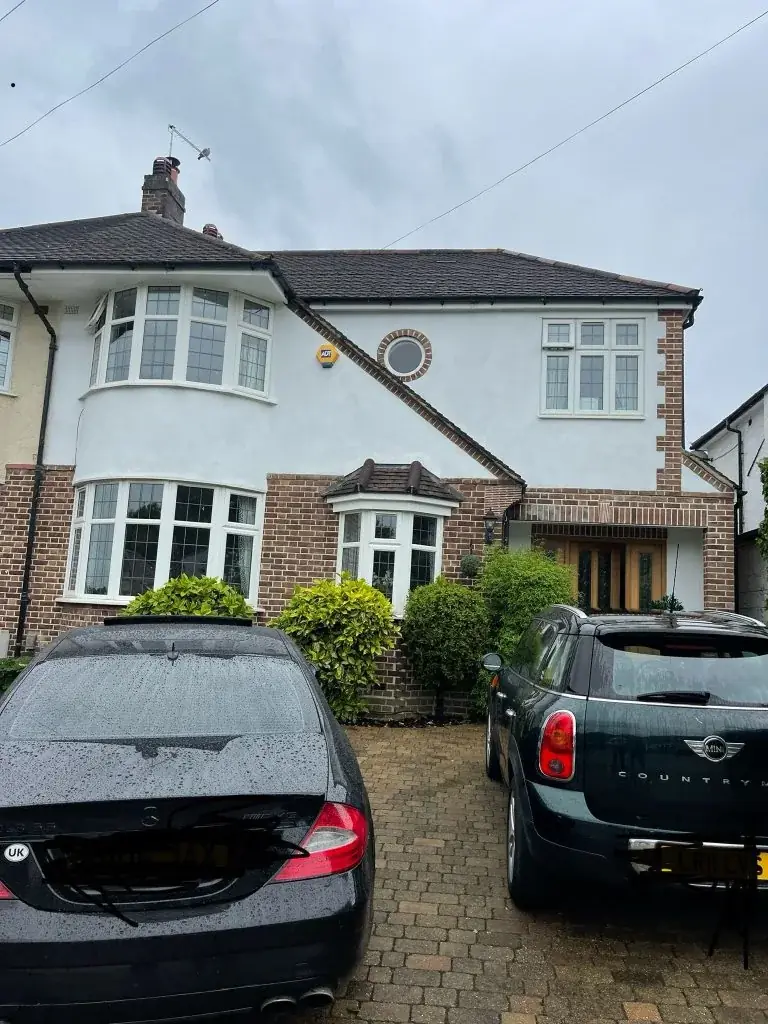
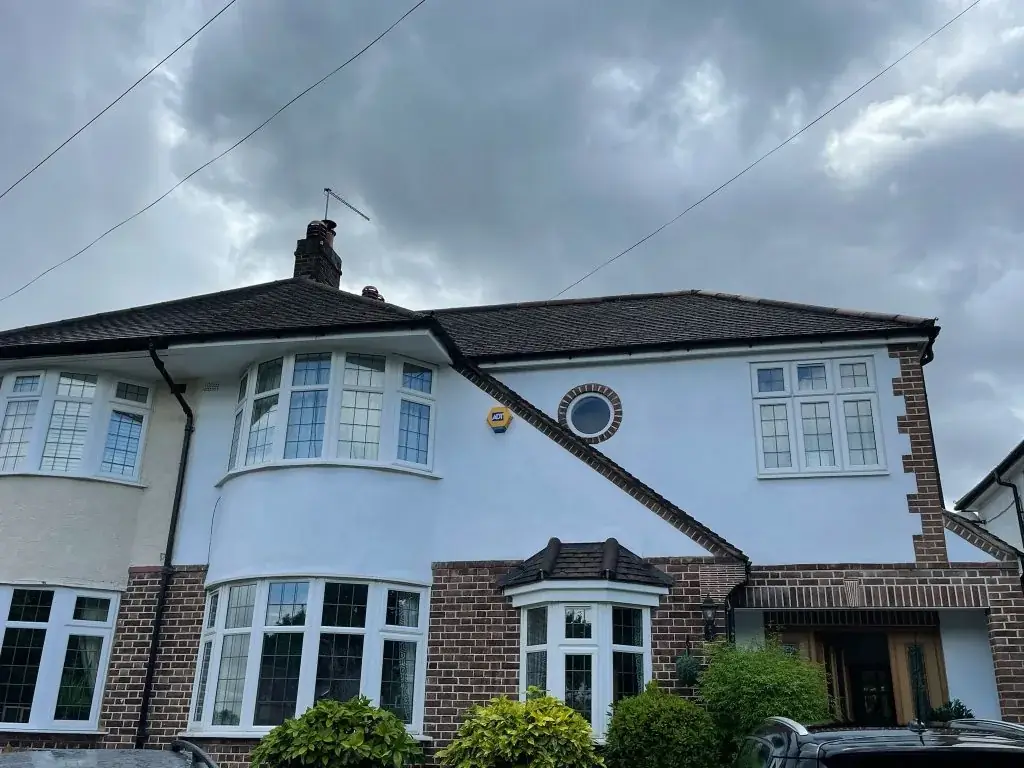
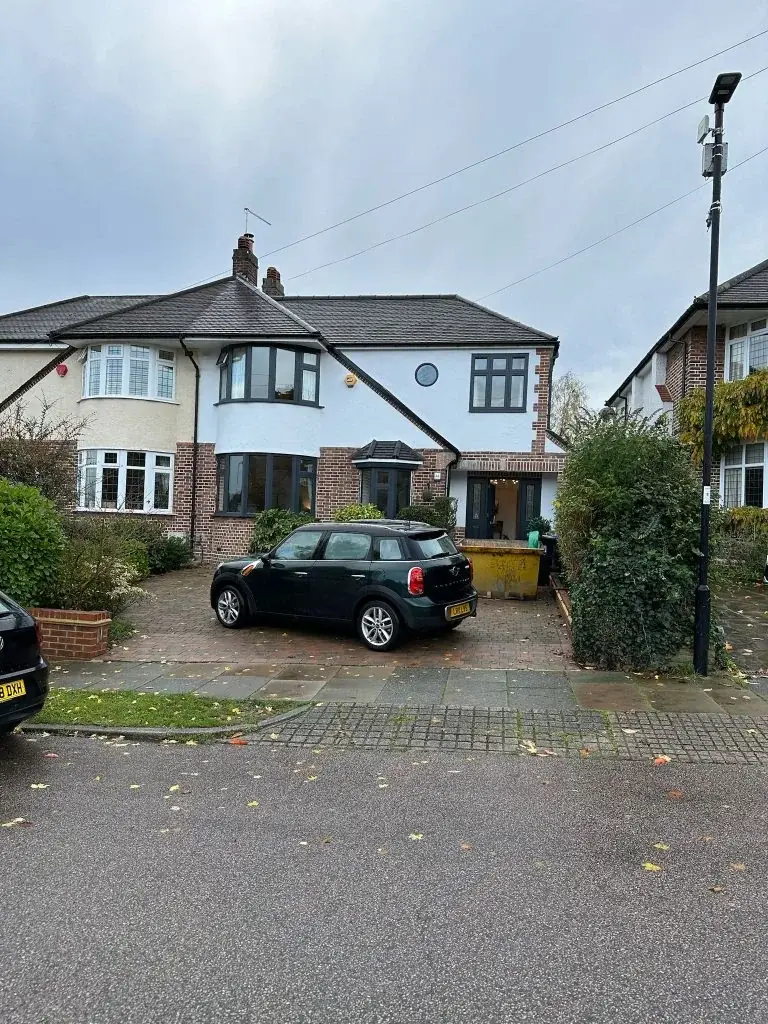
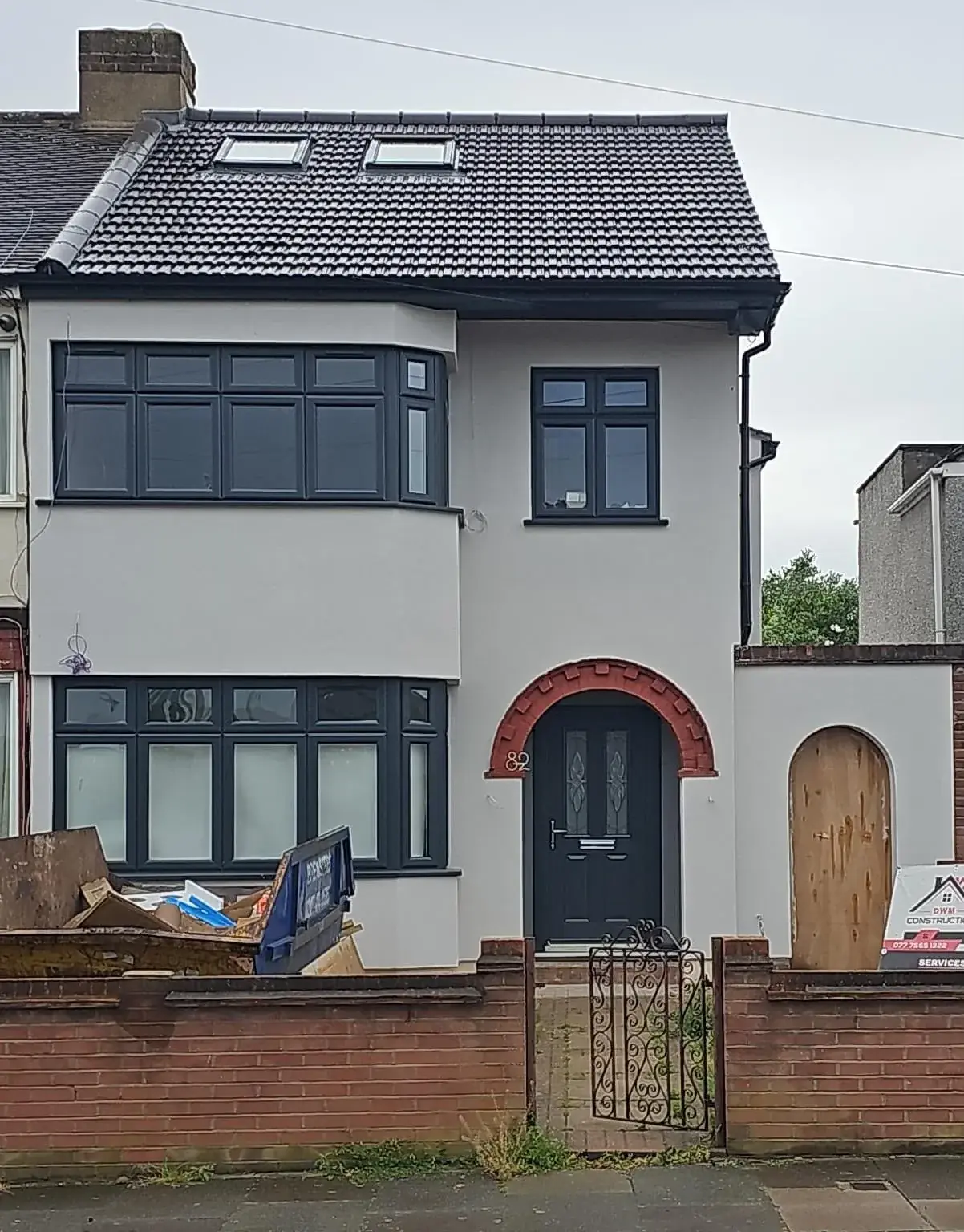
The final appearance depends on how the render meets windows, doors, roof edges and adjoining surfaces. Those junctions are often where leaks or cracking start, so they should be designed alongside the main coat rather than treated as a small add-on. The same applies to safe access and any areas that need protection during the work.
If the building has external alterations or a listed status, separate consent may be needed where the character of the property is affected. That is different from choosing a render colour or finish. The homeowner should ask what is being repaired, what is being covered and what remains visible in the final scheme.
Design checks
Four things we confirm before drawing external rendering.
- 01Assess the wall condition and any existing cracks or moisture before specifying the system.
- 02Agree the render type, finish and any compatible repairs in the scope.
- 03Check junctions around openings, roof edges and adjoining materials.
- 04Record what was repaired, what was covered and any remaining snags at handover.
What should a homeowner ask before choosing a render finish?
Ask what the wall is made of, whether it is sound and whether there is any moisture or movement to deal with first. The chosen finish should suit the background, otherwise the new render may not last or may cause further issues.
How do junctions affect the success of rendering?
They are often the most vulnerable points. Edges around windows, doors and roof lines need careful detailing so water does not get in and cracks do not start where different materials meet. That should be discussed before work begins.
What is sensible to check at handover?
Check for even coverage, tidy junctions, repaired areas that match the agreed scope and any visible defects that need attention. You can note maintenance points, but that is separate from any consent, approval or inspection process.
Planning and project guidance
- Buckinghamshire Council · conservation-area maps and individual character appraisals
- GOV.UK · Planning permission
- GOV.UK · Building regulations approval
- GOV.UK · Party walls and building work
Check the current guidance for your address before relying on a planning route. This guide is not a planning decision or a verified local case study.
Other services in Amersham








