What plastering work can include
- Wall and ceiling repairs following structural alterations, rewiring or pipework changes.
- Plasterboard installation where a suitable lining is needed before finishing.
- Base-coat plastering and levelling where the existing background requires more than a thin finish.
- Making good around openings, reveals and junctions, with the extent agreed before work starts.
What to check before work starts
A fresh coat will not cure an active leak, movement or a damp background. These causes need investigation first. Older properties may have lime-based finishes or lath-and-plaster ceilings that need a compatible approach rather than an automatic cement or gypsum replacement. The survey should establish what can remain, what must be removed and which junctions need particular attention.
Preparing your project and quote
Tell us whether the room is occupied, which surfaces need work and whether wiring or plumbing is still being changed. Agree floor protection, furniture removal and waste handling in advance. Drying depends on the material, thickness, ventilation and conditions in the building; painting should follow the finish manufacturer’s guidance rather than a promised fixed number of days.
Plastering questions
Is plastering the same as skimming?
Not always. Plastering can include preparing a background, adding a base coat or forming a new surface on boards. Skimming describes a thin finishing layer over a suitable base. The condition of your walls determines which work is appropriate.
Can damaged plaster simply be covered over?
Only if the remaining surface is sound and suitable for the chosen finish. Loose, hollow, contaminated or persistently damp areas may need removal or further investigation. We agree the preparation and any repair allowances before quoting the finishing work.
Discuss your home improvement
For plastering enquiries in London, Surrey, Kent, Essex, Hertfordshire, Buckinghamshire or Berkshire, share your postcode, the proposed scope and any relevant plans. Access, material choices, preparation and specialist requirements can then be discussed before a written quote is agreed.
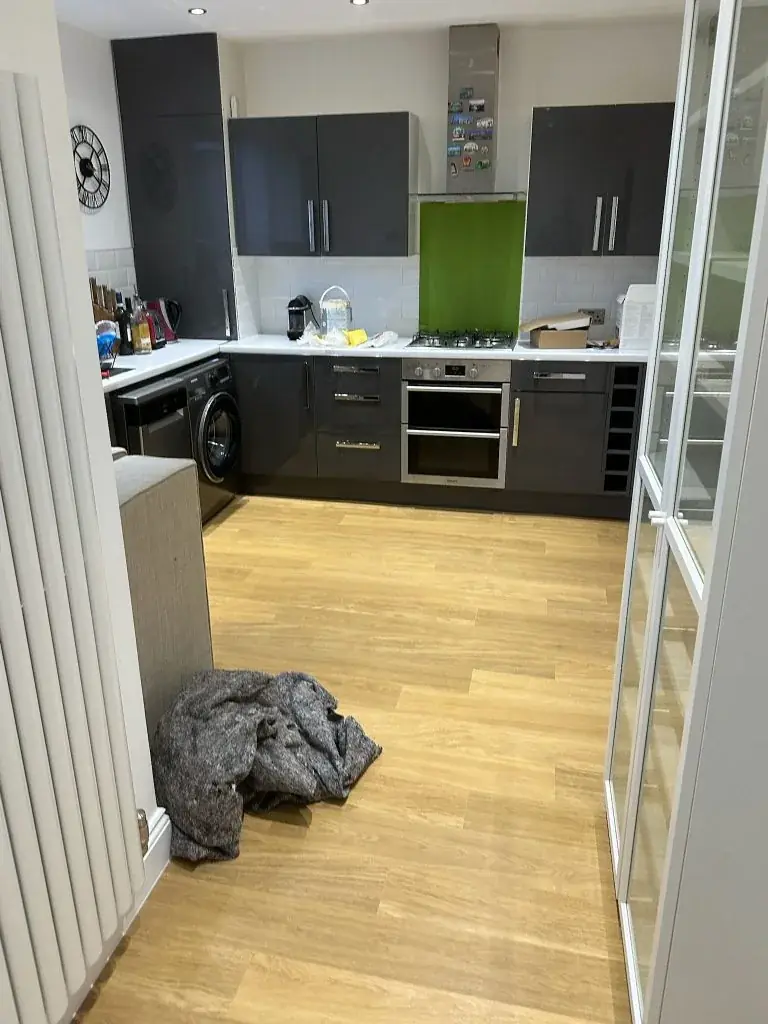
Plastering in real homes
Well-finished walls and ceilings support the look of a whole room. Sound preparation, suitable materials and carefully formed junctions provide the starting point for paint, trim and other decorative finishes.




Benefits of well-planned plastering
A sound starting point for decoration
Assessing and preparing the background helps the chosen finish perform as intended. Loose, damp or unstable material needs attention before a new plaster surface can be specified.
More consistent wall and ceiling surfaces
The right combination of repairs, boarding and base coats can address defects that a thin skim alone cannot. Agree the extent of levelling and making good during the survey.
A coordinated finishing sequence
Complete relevant plumbing and electrical changes before closing surfaces. Planning drying and decoration afterwards helps protect the finish and avoid repeated repairs around newly installed fittings.