
Wandsworth · South London
Gardensin Battersea.
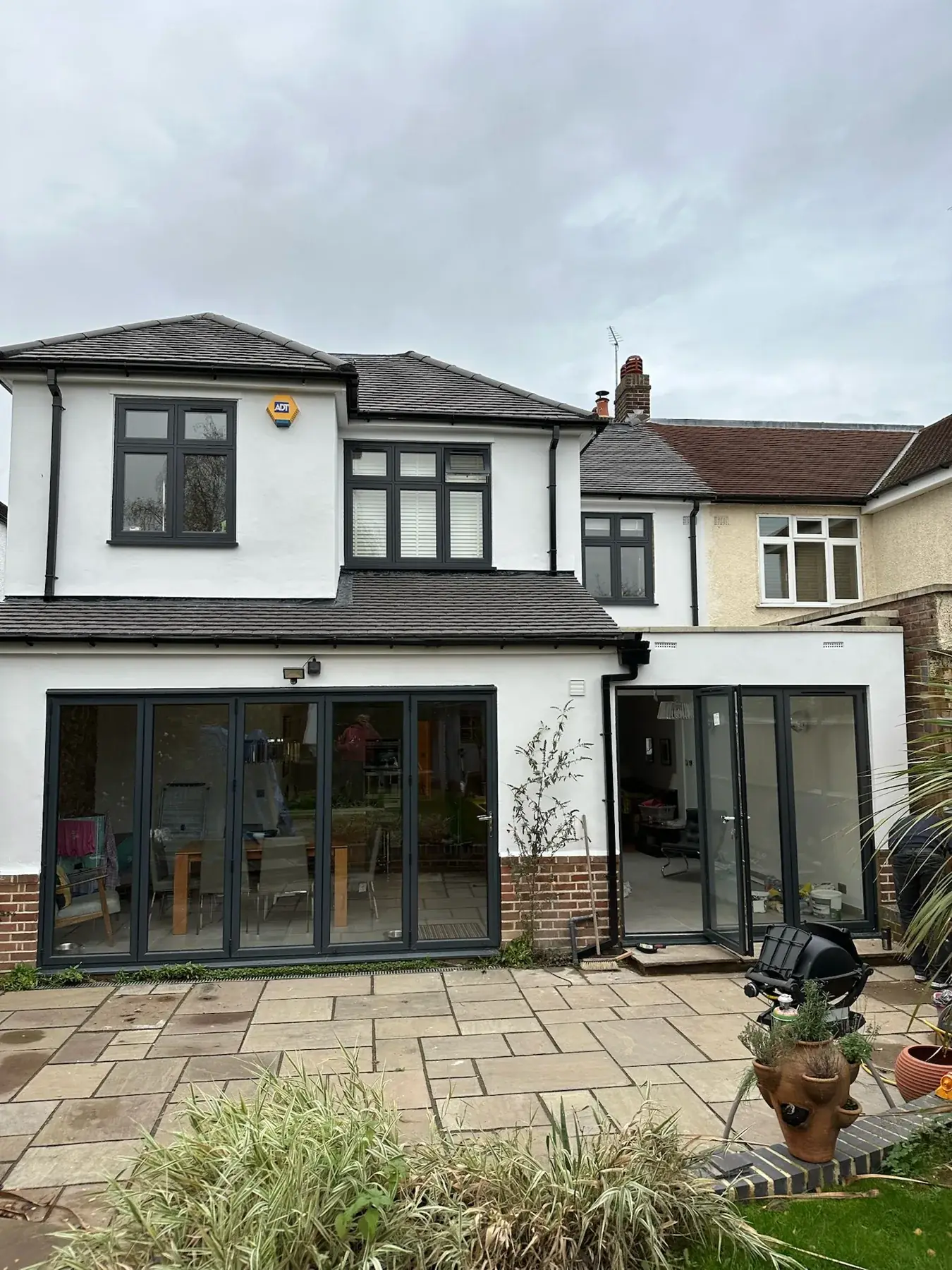
A garden works best when it supports the rooms that open onto it and the way you use the house. If you are working from home, the outdoor space can help with outlook, movement and everyday balance, but only if levels, access and drainage are thought through before the work begins.
- Service
- Gardens
- Neighbourhood
- Battersea
- Borough
- Wandsworth
- Next step
- Discuss your project
Your project brief
Let the garden answer how the house is used
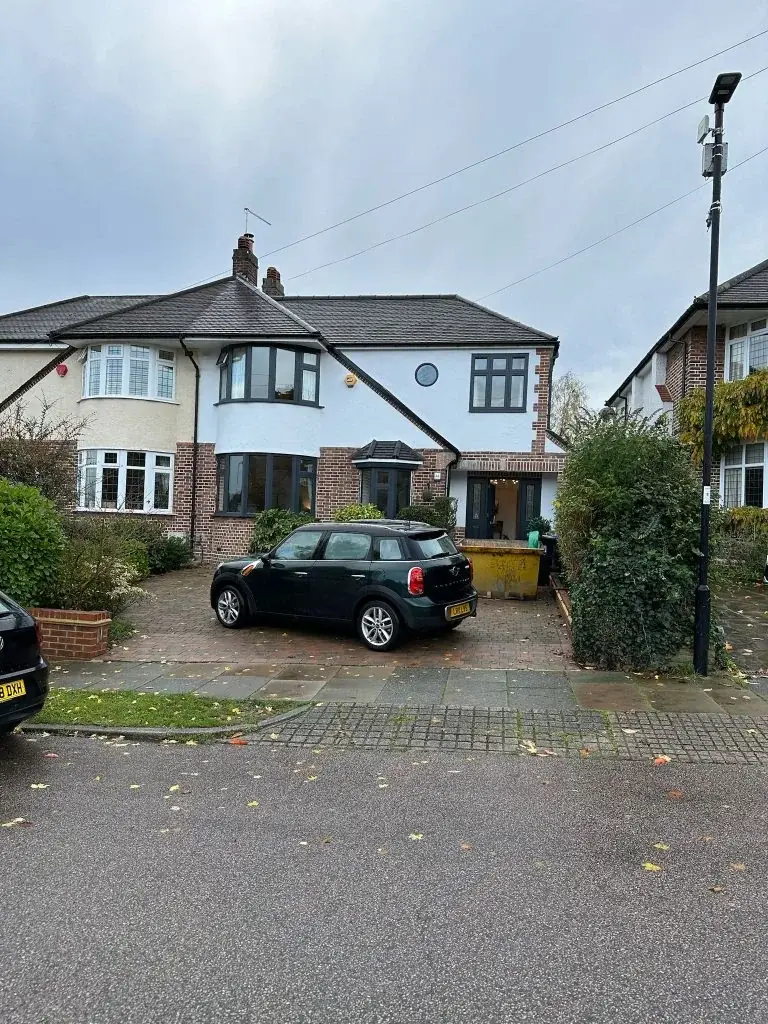
The first decision is whether the garden is meant for sitting, crossing, planting or a mix of those uses. A clear brief helps avoid a space that looks finished but feels awkward in practice. Paths, seating areas and planting zones should all be set against the way people move between the house and the outside space.
If a room is used as a home office, the garden can become part of the experience of the house rather than an isolated add-on. That does not mean adding complexity for its own sake. It means arranging the outside space so views, access and day-to-day use feel calm and practical.
Battersea and Wandsworth garden-related checks
Wandsworth Council holds conservation area appraisals for a range of designated places, but those documents do not tell you whether your own Battersea garden is within a designated boundary. The exact address must be checked. That said, garden work still benefits from a site-specific review of levels, access and drainage before the materials are chosen, because the best outdoor design depends on how the space will actually be used.
Design decisions
Check levels and water before choosing materials
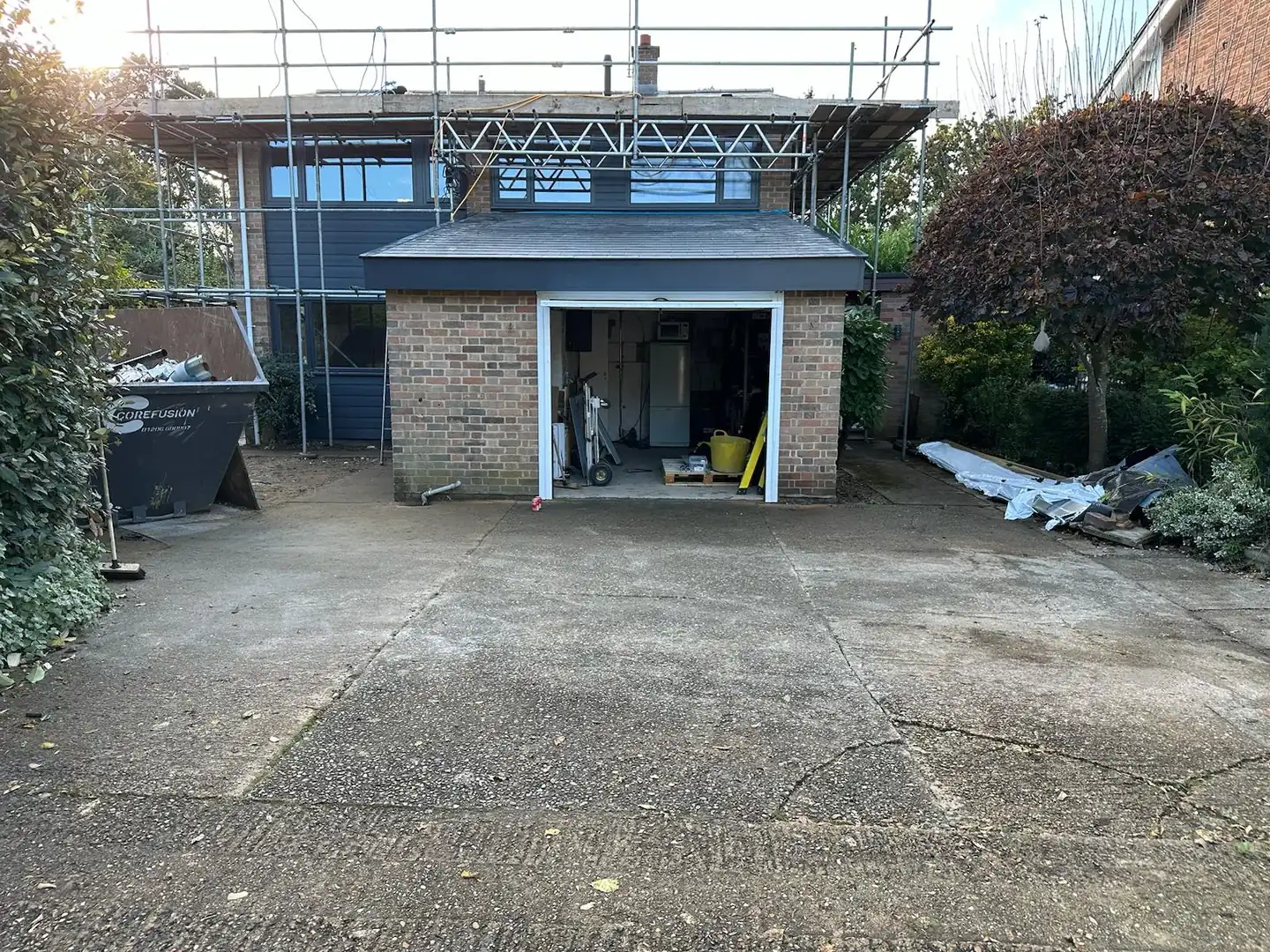
A garden that appears simple may still need careful grading, drainage thinking or retaining details to work properly. The right materials depend on how water moves and how the surface will be used. A patio that traps water or a path that feels awkward to walk will quickly undermine the value of the wider work.
Boundary features, fencing and gates should be discussed only after ownership and access are clear. That is important because outdoor improvements often sit near shared edges, and the design should respect what belongs to the property while still achieving the intended result. Good groundwork is what makes the surface finish last.
Design checks
Four things we confirm before drawing garden improvements.
- 01Review how the garden connects to the house before fixing the layout.
- 02Check levels, drainage and surface-water behaviour before selecting materials.
- 03Confirm boundaries, access and any shared-edge issues before work starts.
- 04Set out ground preparation, planting areas and making-good in the scope.
Why does garden design matter for a home office lifestyle?
Because the outdoor space affects how the house feels between work sessions. A usable garden can improve the transition between indoor focus and outdoor rest, but only if the route, surface and sitting areas are sensible.
Is drainage really part of a garden improvement brief?
Yes. Water behaviour affects how durable paths, patios and planting areas will be. If drainage is ignored, even a well-finished surface can become awkward or expensive to maintain.
Do I need to know the exact final use before starting?
You should know the main purpose, even if the details evolve. A garden intended for sitting, planting or moving through the site needs a different design logic, so the brief should be clear before materials are chosen.
Planning and project guidance
- Conservation area appraisals - Wandsworth Borough Council
- GOV.UK · Planning permission
- GOV.UK · Building regulations approval
- GOV.UK · Party walls and building work
Check the current guidance for your address before relying on a planning route. This guide is not a planning decision or a verified local case study.
Other services in Battersea








