
Southwark · South London
Renderingin Bermondsey.
Rendering changes the look of an external wall, but the success of the job depends on what lies beneath it. The wall’s condition, the existing finish and the junction details all need to be understood before a render system is chosen.
- Service
- Rendering
- Neighbourhood
- Bermondsey
- Borough
- Southwark
- Next step
- Discuss your project
Your project brief
Assess the wall before choosing a finish
Different walls and backgrounds need different treatment, so the first decision is not the colour or texture but whether the substrate is suitable. Loose material, failed patches or incompatible earlier coatings can affect how the new render performs and whether preparation is needed first.
If repair or removal is required, that should be built into the scope from the start. A render system should not be chosen in isolation, because the wall below it may need preparation, compatibility checks or edge detailing before the new finish can be applied.
Check the address if the render is part of a visible external change
Southwark says some conservation areas are protected through the planning process and that Article 4 directions can apply in certain parts of the borough. That evidence does not establish the status of a Bermondsey property, so the exact address must be checked. If the rendering affects the outside appearance of the building, the site-specific planning position matters.
Design decisions
Treat junctions as part of the design
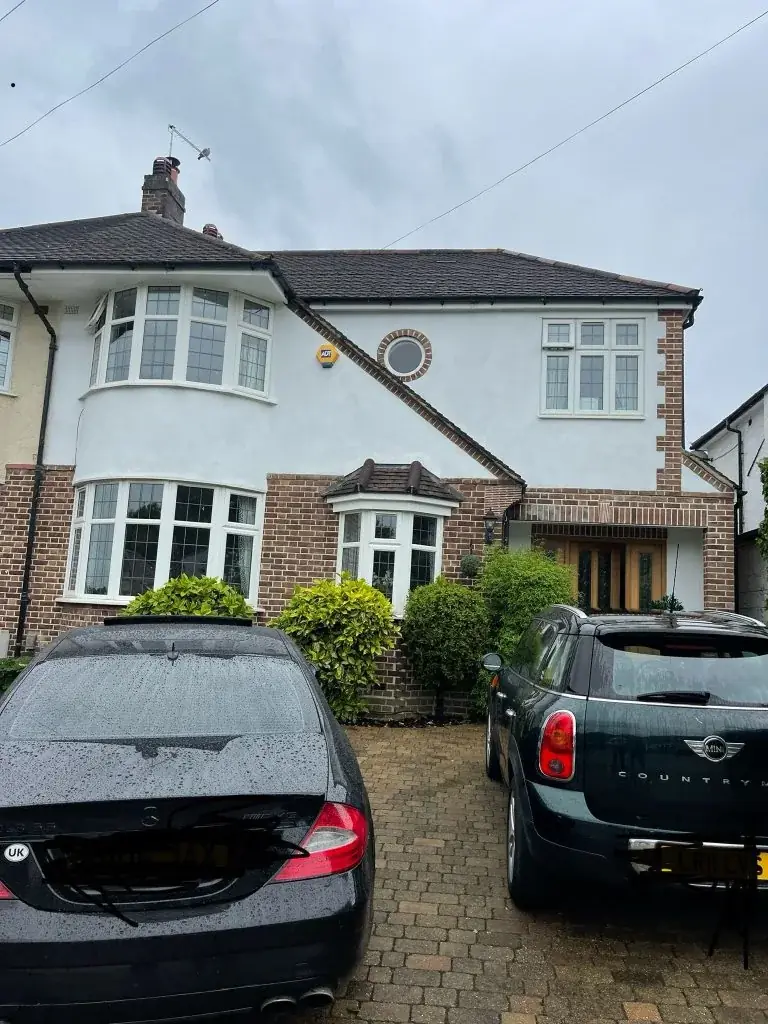
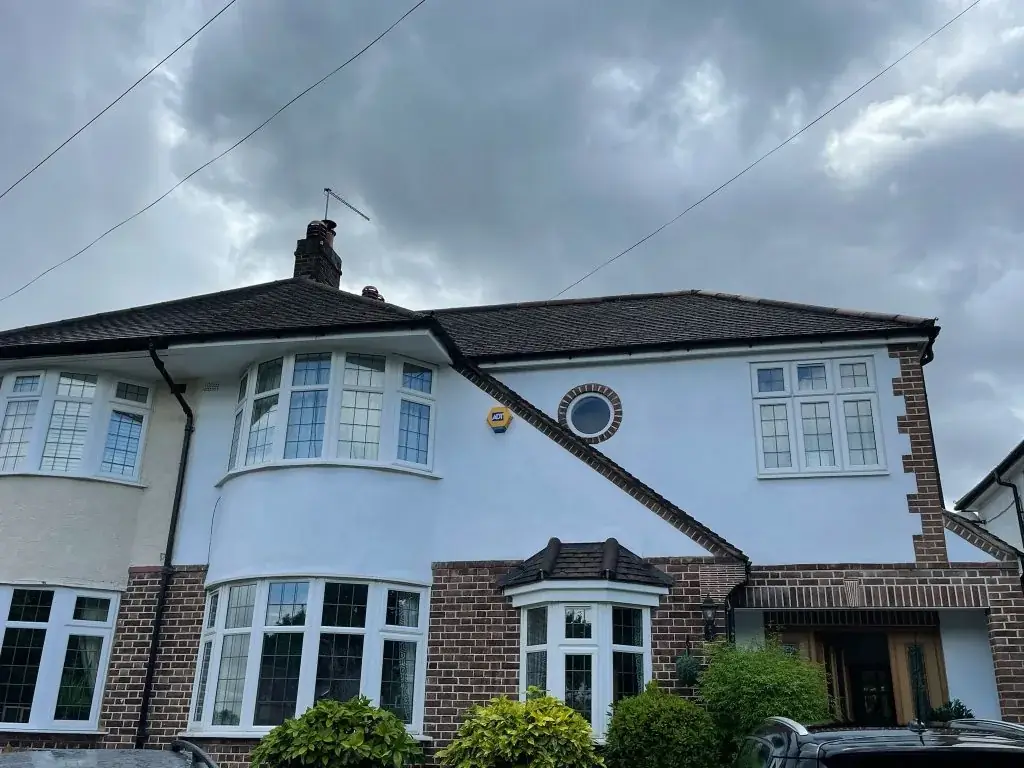
Openings, roof edges and adjoining materials all affect how external render should be detailed. If these transitions are not planned properly, the finish can crack, look uneven or leave awkward edges that spoil the result even when the main wall is well covered.
That is why render work should be considered alongside the surrounding parts of the building, not as a simple coating job. The aim is to match the finish to the construction underneath and to the way water, movement and neighbouring materials will affect it over time.
Design checks
Four things we confirm before drawing external rendering.
- 01Inspect the wall background and existing finish before choosing a render system.
- 02Confirm whether any failed render needs to be removed or repaired first.
- 03Plan junctions around openings, roof edges and adjoining materials.
- 04Include access and preparation in the agreed rendering scope.
Questions
Before you call about Bermondsey.
Why can’t render just be applied over any wall?
Because the wall underneath has to be suitable. If the background is loose, incompatible or badly prepared, the new render may not perform properly and may fail at the junctions or on the surface.
What details are most important in rendering?
The transitions: around windows, doors, roof edges and adjoining materials. Those areas often determine whether the finish looks neat and stays sound over time.
Should render be planned with the rest of the exterior work?
Yes. Render should be coordinated with any nearby alterations so the finish matches the building’s other external details and does not conflict with openings or adjacent materials.
Planning and project guidance
- Conservation areas | Southwark Council
- GOV.UK · Planning permission
- GOV.UK · Building regulations approval
- GOV.UK · Party walls and building work
Check the current guidance for your address before relying on a planning route. This guide is not a planning decision or a verified local case study.
Other services in Bermondsey








