
Tower Hamlets · East London
Renderingin Bow.
Rendering is an external finish, but it only works well when it suits the wall beneath it. A quote should therefore start with the background condition, the existing finish and the details around openings and edges. The cheapest figure may simply ignore the preparation needed to make the render last and look consistent.
- Service
- Rendering
- Neighbourhood
- Bow
- Borough
- Tower Hamlets
- Next step
- Discuss your project
Your project brief
Check the wall before choosing the render system
The first decision is what the wall is made of and how sound it is. If the existing surface is failing, the scope may need removal or repair before any new material goes on. That preparation is not optional, because a render can only perform as well as the background it is bonded to.
Different walls and finishes may need different compatibility checks. A smooth new coating is not the same as patching an older one, and the work around each opening should be planned carefully. If the contractor has not allowed for those details, the quote may not represent the real exterior job.
Bow checks for render work
Bow lies within Tower Hamlets for council-search purposes, but the exact property must be checked individually. The borough information confirms that some places are covered by conservation-area guidance and special protection, yet that does not mean every wall in Bow is restricted in the same way. For rendering, the key local check is whether the property’s external surfaces, access and any related alterations need a site-specific review before the finish is agreed.
Design decisions
Treat junctions as part of the design
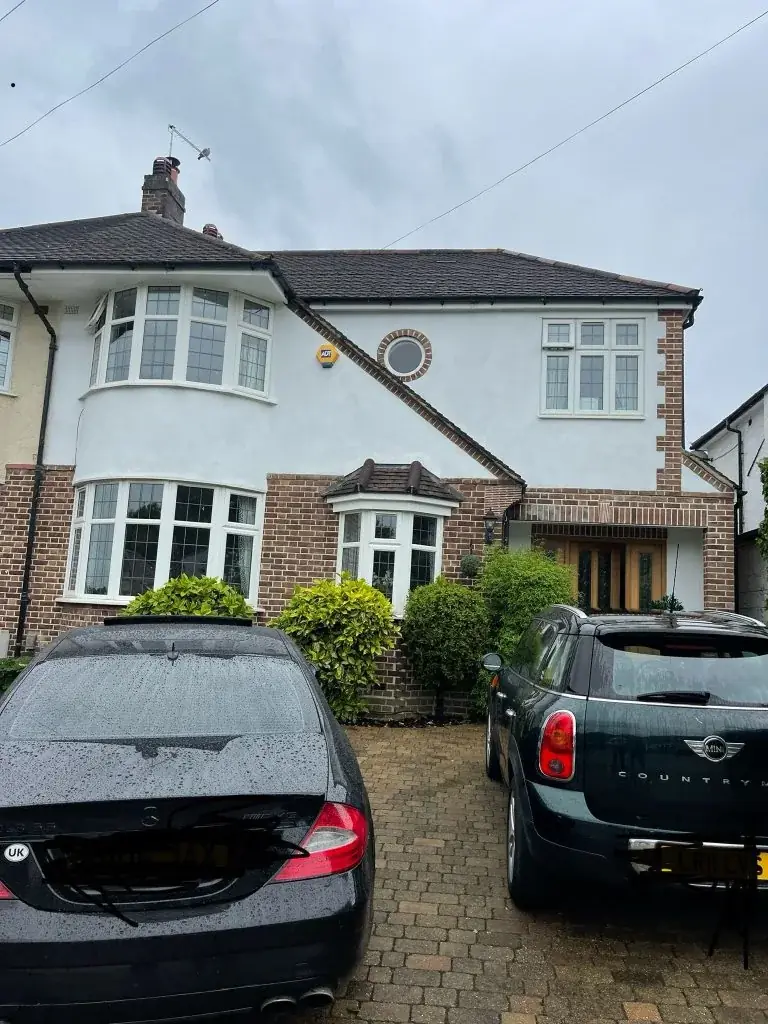
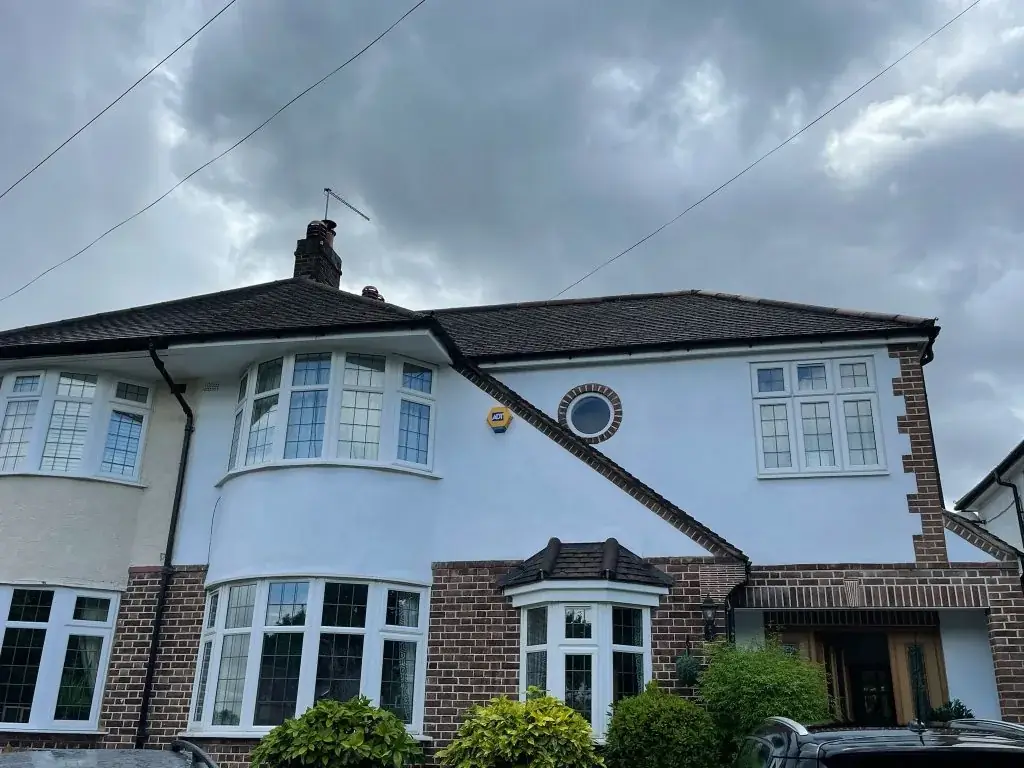
The edges around windows, doors, roof lines and adjoining materials are often where problems show first. The render should be detailed to suit those junctions, not added as an afterthought. That means the scope should state how the transitions will be handled and what preparation is included.
If the render is part of a wider renovation, it should also be coordinated with other external changes. For example, new openings or altered trim may affect the finish line. The point is to avoid designing the wall surface separately from the rest of the building work.
Design checks
Four things we confirm before drawing external rendering.
- 01Assess the wall background before deciding on the render system.
- 02Agree whether failed render will be removed, repaired or overlaid.
- 03Detail junctions around windows, doors and roof edges.
- 04Check how render work ties in with other external alterations.
Why can’t render be chosen just for its appearance?
Because the wall underneath affects how the finish performs. If the background is poor or incompatible, the best-looking surface may still fail early. The choice has to suit the construction, not only the colour or texture.
What should a render quote say about junctions?
It should explain how the edges meet windows, doors, roof lines and adjoining materials. Those are the details that often decide whether the job looks neat and lasts well, so they should not be left implied.
Is render work the same as general external decoration?
No. Rendering changes the wall surface itself. Decoration may sit on top of a suitable substrate, but render involves checking the background, repairs and compatibility before the finish can even be considered.
Planning and project guidance
- Conservation areas
- GOV.UK · Planning permission
- GOV.UK · Building regulations approval
- GOV.UK · Party walls and building work
Check the current guidance for your address before relying on a planning route. This guide is not a planning decision or a verified local case study.
Other services in Bow








