
Camden · North London
Renderingin Camden Town.
Rendering changes how an external wall performs and looks, but only if the background is suitable. In Camden Town, the key decisions are what the wall condition reveals, how to note assumptions in writing, and how the work may affect the rooms behind the facade.
- Service
- Rendering
- Neighbourhood
- Camden Town
- Borough
- Camden
- Next step
- Discuss your project
Your project brief
What must be checked before render is applied
A wall drawing will not show failed finishes, previous patching or whether the background is stable enough for a new render system. A survey helps decide whether the wall needs preparation, removal of loose material or a different approach altogether before any coating is applied.
The scope should describe the assumed wall condition. For example, if the background is believed to be suitable after limited preparation, that should be written down with a note that hidden cracking or friable areas will be reviewed before the final system is chosen.
Camden Town local checks
Camden’s Article 4 pages show that some conservation areas in the borough have extra controls for certain exterior works, but that does not prove any one Camden Town property is affected. The exact address has to be checked against the current council maps and schedules before a render change is treated as permissible or restricted. A site-specific review matters more than the borough name alone.
Design decisions
How the external work affects the inside of the building
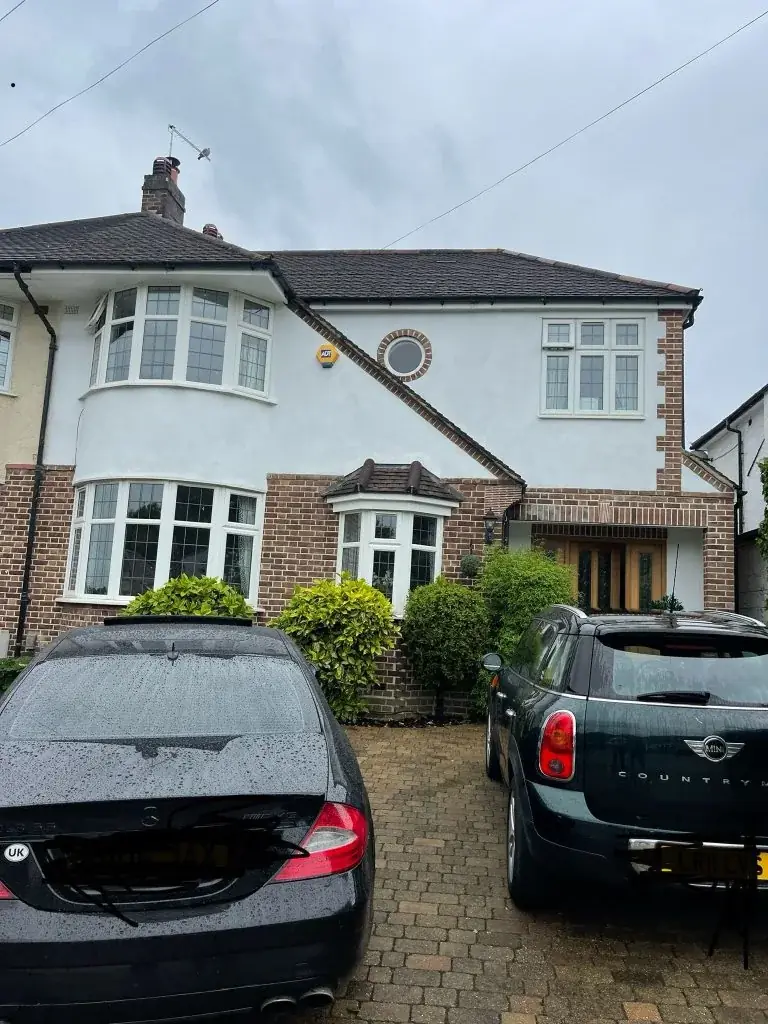
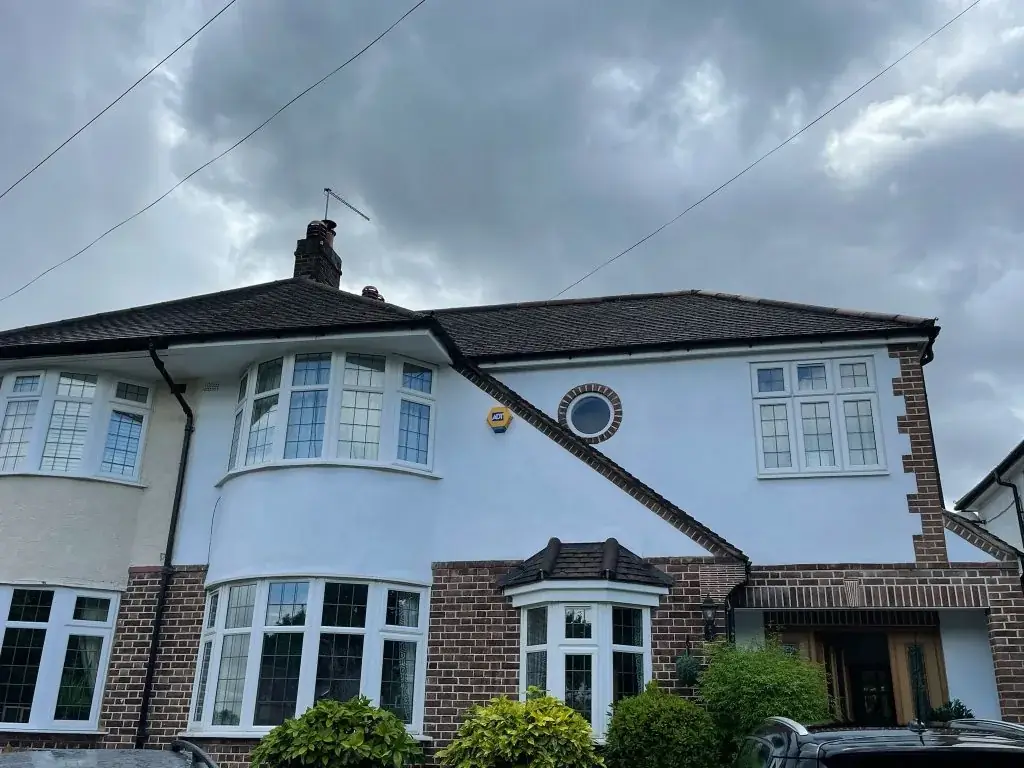
Rendering can affect the rooms behind the wall because any change to thickness, junctions or openings may alter how reveals, sills and internal finishes meet the new surface. That needs checking before work starts, especially where the inside room depends on a clean edge or existing trim.
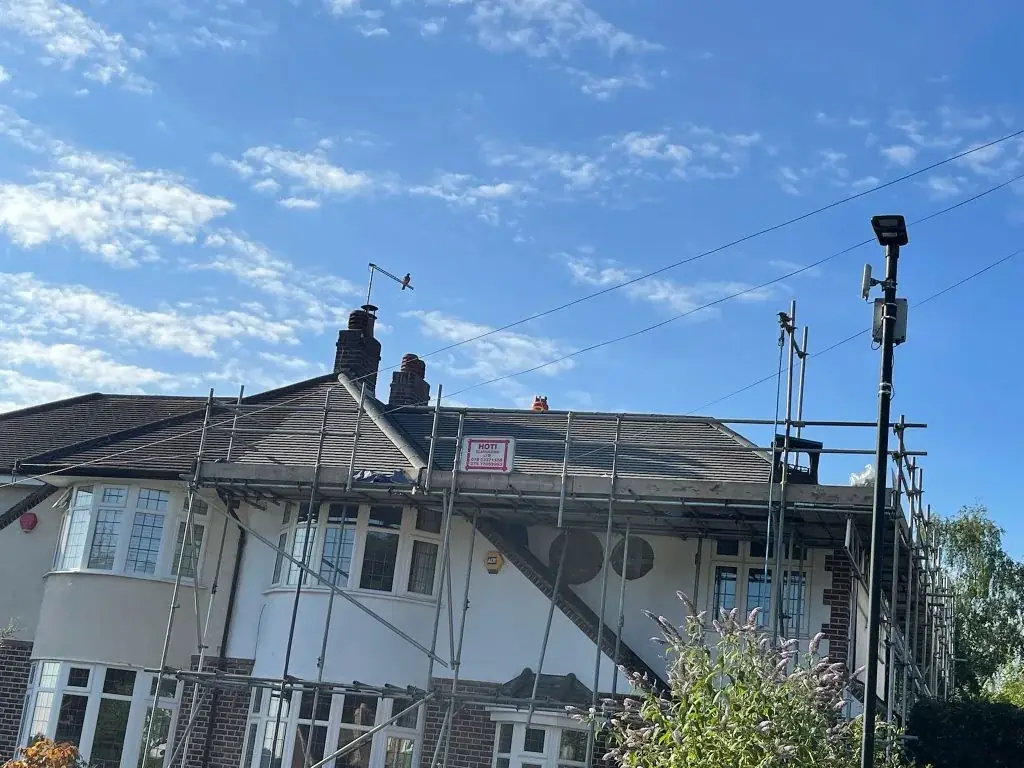
It is also sensible to think about access, weather exposure and the order of repairs so the exterior and interior do not end up out of step. If the render joins a roof edge, opening or adjacent material, the detail should be assessed as part of the whole wall, not as an isolated patch.
Design checks
Four things we confirm before drawing external rendering.
- 01Inspect the existing wall before deciding on the render system.
- 02Record any assumed repairs, hidden cracks or weak areas.
- 03Check junctions, openings and thickness changes against the interior.
- 04Plan access and weather protection within the written scope.
Questions
Before you call about Camden Town.
Can render be chosen from appearance alone?
No. Appearance matters, but the wall background, junctions and exposure all influence whether a render system is appropriate and durable.
Why mention rooms behind the wall?
Because changes to render thickness or openings can affect internal reveals, trims and finishes. Those details need checking so the inside room does not end up with awkward edges.
What should the scope note for render work?
Note the assumed wall condition, the preparation allowed for and the junction details to be checked. That keeps the external and internal parts of the job aligned.
Planning and project guidance
- Article 4 Directions Heritage and conservation - Camden Council
- GOV.UK · Planning permission
- GOV.UK · Building regulations approval
- GOV.UK · Party walls and building work
Check the current guidance for your address before relying on a planning route. This guide is not a planning decision or a verified local case study.
Other services in Camden Town








