
Haringey · North London
Gardensin Crouch End.
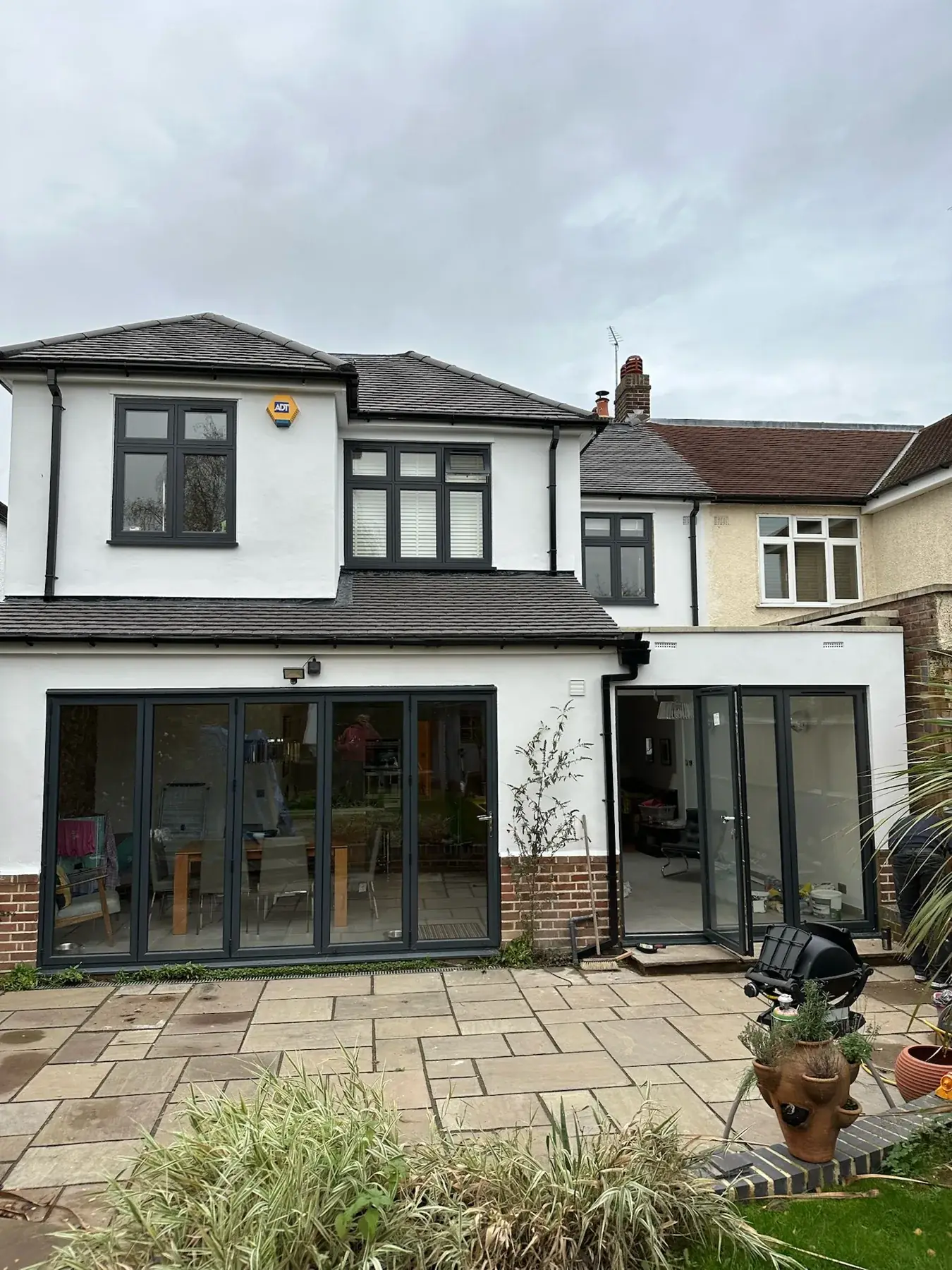
Garden work is most successful when it supports the way you use the house as a whole. The first decision is whether the space needs better access, a more usable surface or a clearer link between the back of the house and the outside area.
- Service
- Gardens
- Neighbourhood
- Crouch End
- Borough
- Haringey
- Next step
- Discuss your project
Your project brief
Decide what the garden is for before choosing materials
A garden can be a route, a sitting area, a drying space or a place for planting, and those uses do not always fit neatly together. The design should start with what the space needs to do, because patios, paths and lawn areas all ask for different construction choices.
If the aim is mainly practical, the hard landscaping may matter more than planting. If the space is meant to soften the house, then the boundary treatment, surface finish and transitions from the interior become more important. Either way, the garden should not feel like an afterthought to the renovation.
Local checks for garden work in Haringey
For garden changes in Crouch End, use the exact property address when checking whether any Haringey conservation controls affect visible external work. The borough’s Article 4 directions apply in certain conservation areas and can affect some changes to doors, windows and similar external details. That does not mean every home in the area is covered, so the address must be checked before any assumption is made about the outside of the property.
Design decisions
Check levels, drainage and edges before the work begins
Garden improvements often fail when levels are not thought through. A surface that looks neat on day one can become awkward if water sits in the wrong place or if the route from the house does not feel natural. Drainage, falls and threshold details should be part of the brief, not a later fix.
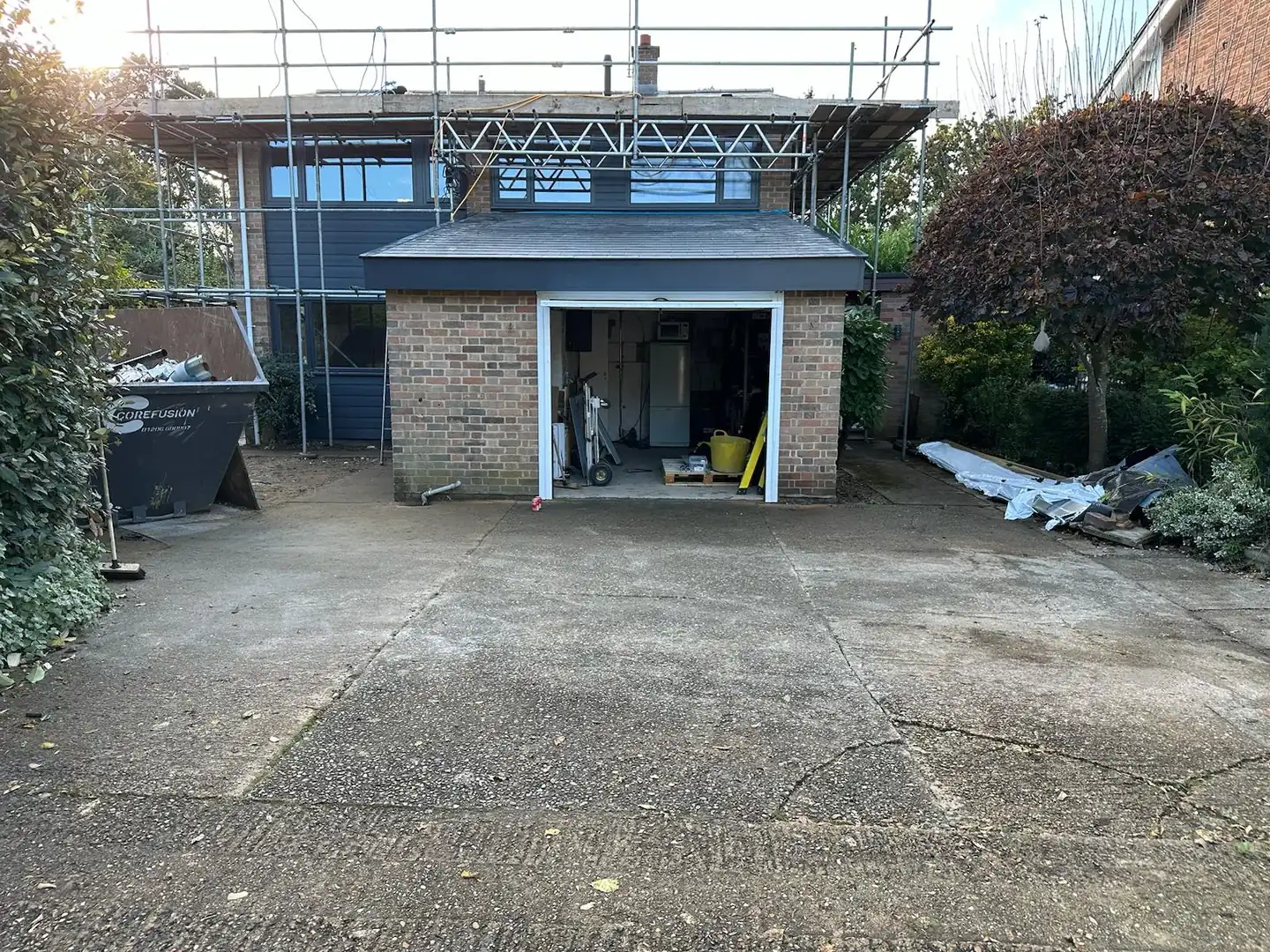
It is also important to agree ownership and access for boundaries, fencing or gates before work starts. That keeps the job practical and avoids disputes over what is being changed. If the project follows building work, the scope should also cover ground preparation and making good around the house.
Design checks
Four things we confirm before drawing garden improvements.
- 01Decide whether the garden is mainly for access, sitting or planting.
- 02Check levels, drainage and threshold details before setting materials.
- 03Confirm boundary ownership and access before fencing or gates are included.
- 04Plan ground preparation and making good alongside the house works.
What makes a garden improvement feel connected to the house?
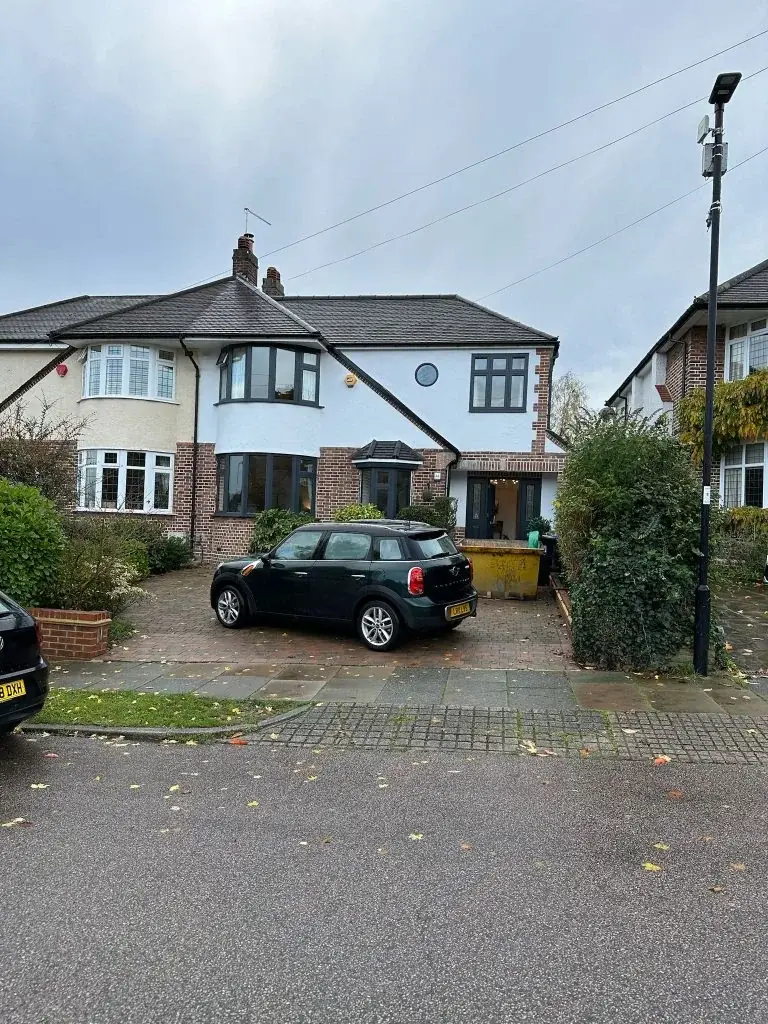
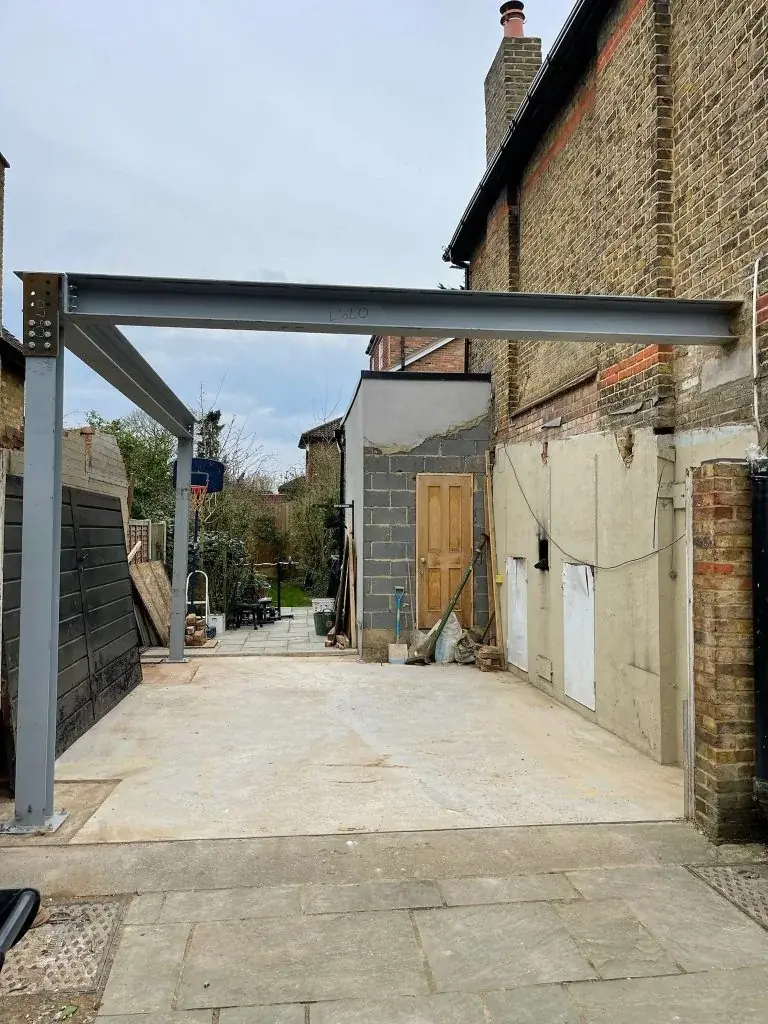
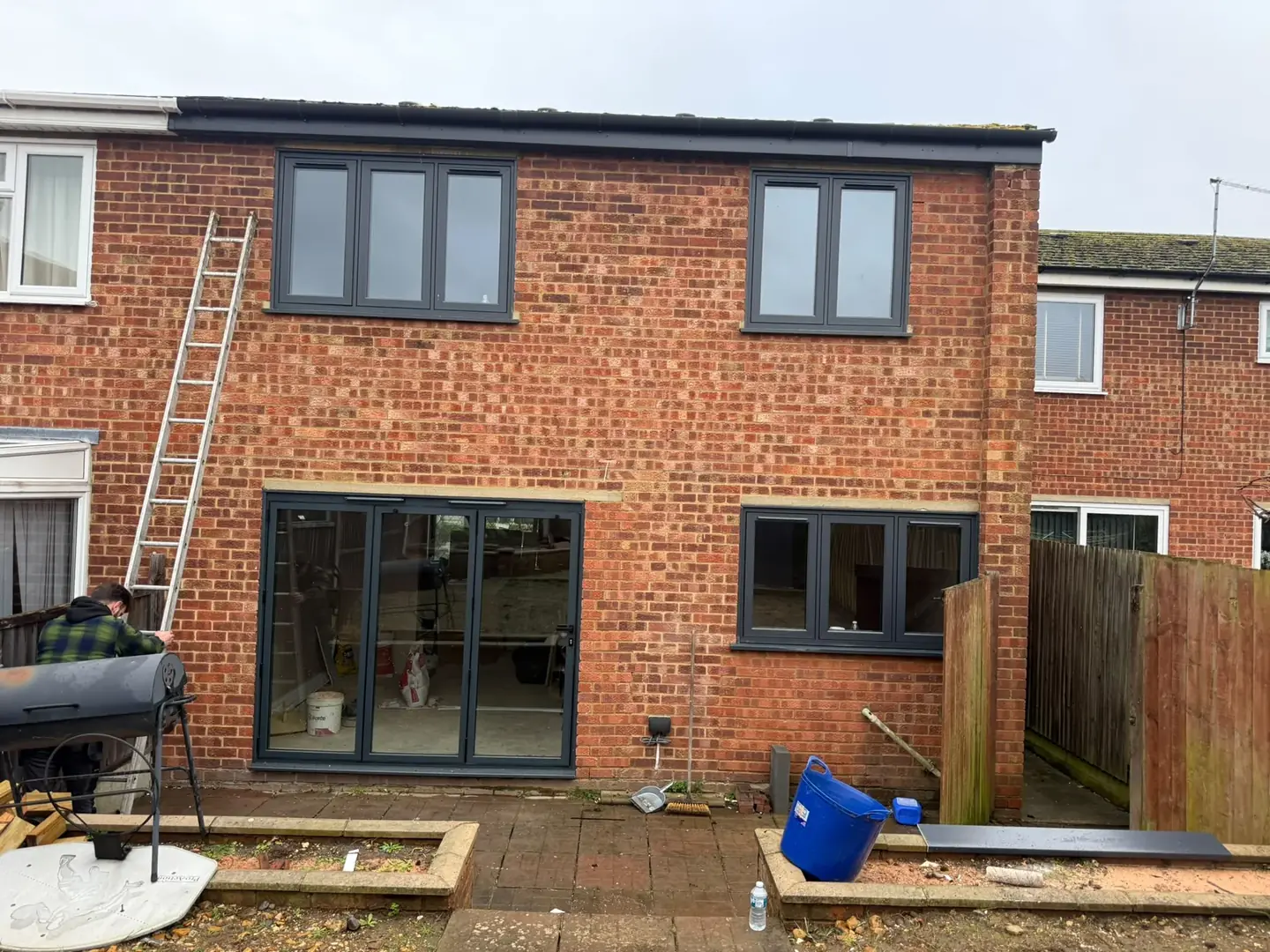
The transition matters: the path, level change and surface right outside the door should feel intentional. If the outside area is planned with the interior in mind, the whole home feels more joined up and easier to use.
Why do garden levels need checking before paving starts?
Because the finished surface has to shed water correctly and meet the house without awkward steps or standing water. If levels are guessed rather than checked, you may end up with a surface that looks tidy but does not perform well.
Should planting and hard landscaping be treated as one scope?
They can be, but they should still be described separately. Patios, paths and drainage are construction tasks, while planting is a different part of the finish. Clear wording helps you see what is being built and what is still to be chosen later.
Planning and project guidance
- Development in conservation areas | Haringey Council
- GOV.UK · Planning permission
- GOV.UK · Building regulations approval
- GOV.UK · Party walls and building work
Check the current guidance for your address before relying on a planning route. This guide is not a planning decision or a verified local case study.
Other services in Crouch End








