
Newham · East London
Doorsin East Ham.
A door change seems simple, but the right choice depends on the opening, the frame, the adjoining finishes and the door’s purpose. The main decision is whether the existing frame can stay or whether the whole assembly needs to change to suit the room better.
- Service
- Doors
- Neighbourhood
- East Ham
- Borough
- Newham
- Next step
- Discuss your project
Your project brief
Retain the frame when it still does the job
If the existing frame is sound, keeping it can reduce disruption and preserve the opening that already works. That may suit an internal door replacement where the main need is a better finish, improved privacy or updated hardware. The survey should check whether the lining, architraves and clearances are good enough to support a new leaf.
Replacing the full assembly is more sensible when the frame is damaged, badly out of square or incompatible with the new use. In that case, the change affects the opening more broadly, and the scope should include the associated making-good rather than treating the door as a simple swap.
East Ham address check before door changes are fixed
Newham’s conservation-area guidance says some works in designated areas may need permission even where similar work would not normally require it. East Ham appears in the council’s list, but that is not proof that every property in the neighbourhood is affected. The exact address should be checked, and if the building is listed, changes affecting character may need separate consent.
Design decisions
Match the door to its function and requirements
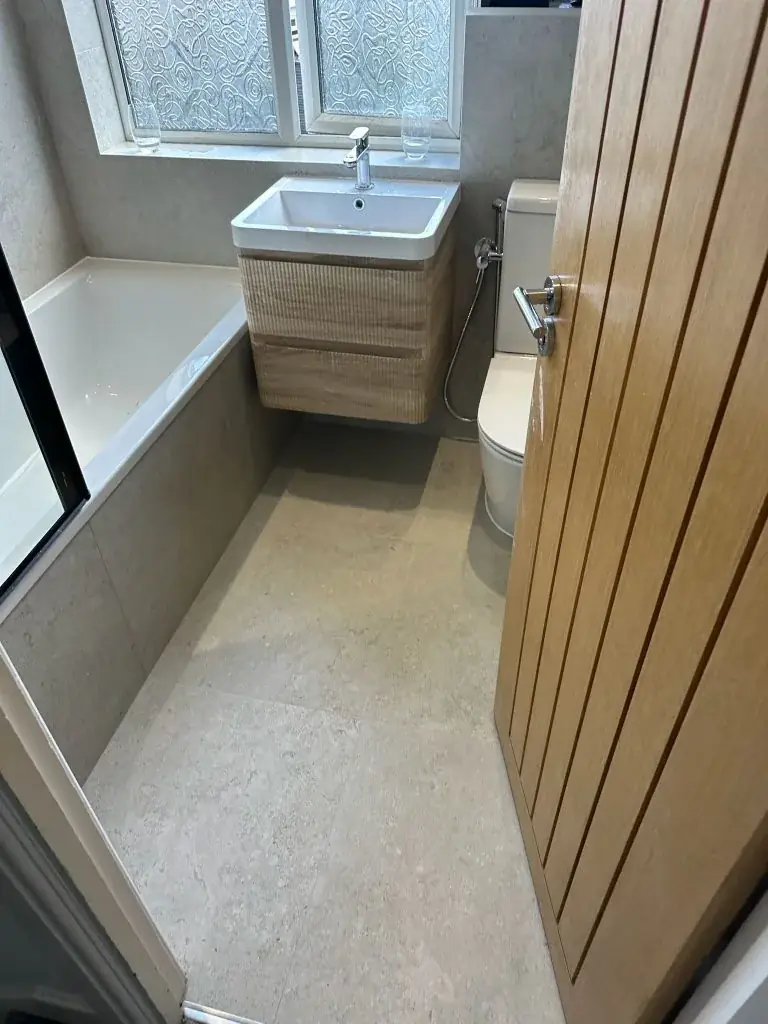
Different doors serve different purposes. An internal room door may need a clean finish and smooth operation, while an external door may involve different installation requirements and security considerations. The choice of hardware should follow that purpose so hinges, latches and handles suit the way the door will be used.
If the opening is being altered, the survey should also check whether any extra performance requirements apply. That keeps the brief grounded in the actual opening, rather than assuming the same detail works for every door in the house.
Design checks
Four things we confirm before drawing door installation.
- 01Internal door replacement and fitting within an agreed joinery scope.
- 02Frames, linings, architraves and associated making-good where specified.
- 03Handles, hinges, latches and other hardware matched to the door’s intended use.
- 04External door or altered-opening enquiries assessed with the relevant installation requirements.

Should the existing frame always be kept if it looks acceptable?
Not always. It needs to be sound, square enough and suitable for the new door. If it is poor behind the paint, keeping it can lead to gaps, sticking or a finish that never quite looks right.
What should be checked before ordering a replacement door?
The opening size, the frame condition, clearances, hardware needs and whether any special performance requirements apply should all be checked first. That reduces the chance of ordering a door that does not suit the opening.
Why mention making good in a door scope?
Because changing a door often affects trim, plaster edges or the surrounding finish. A clear scope shows whether those details are included, so the finished opening looks complete rather than patched.
Planning and project guidance
- Conservation areas in Newham – Conservation areas and listed buildings in Newham – Newham Council
- GOV.UK · Planning permission
- GOV.UK · Building regulations approval
- GOV.UK · Party walls and building work
Check the current guidance for your address before relying on a planning route. This guide is not a planning decision or a verified local case study.
Other services in East Ham








