
Havering · East London
Gardensin Hornchurch.
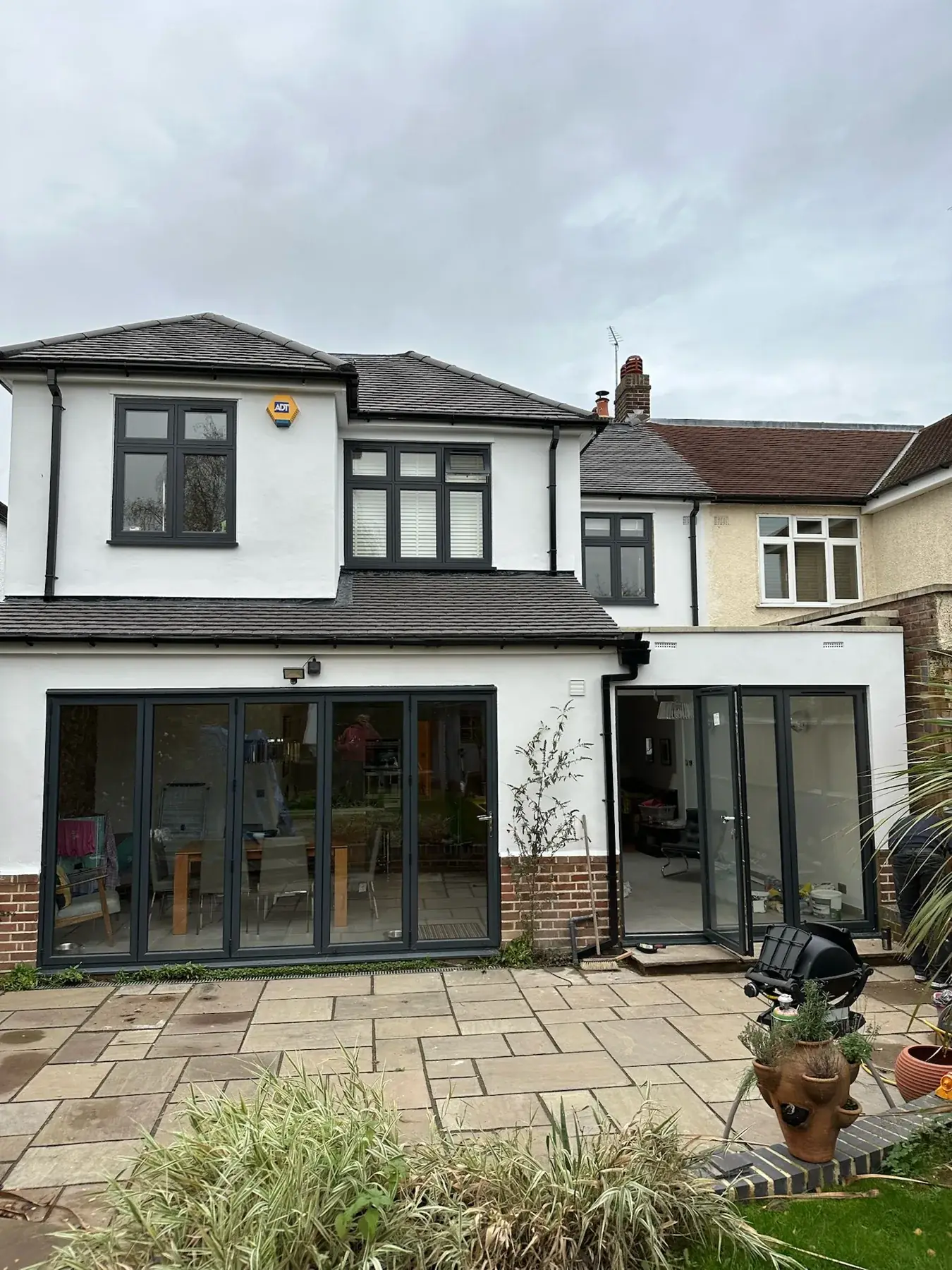
A garden works best when it feels connected to the house, not added on as an afterthought. In Hornchurch, the useful decisions are often about what to retain: an access route, a usable level change or a hard-landscaped area that already suits everyday use. The design should follow how you live outside.
- Service
- Gardens
- Neighbourhood
- Hornchurch
- Borough
- Havering
- Next step
- Discuss your project
Your project brief
Retain the access and routes that already work
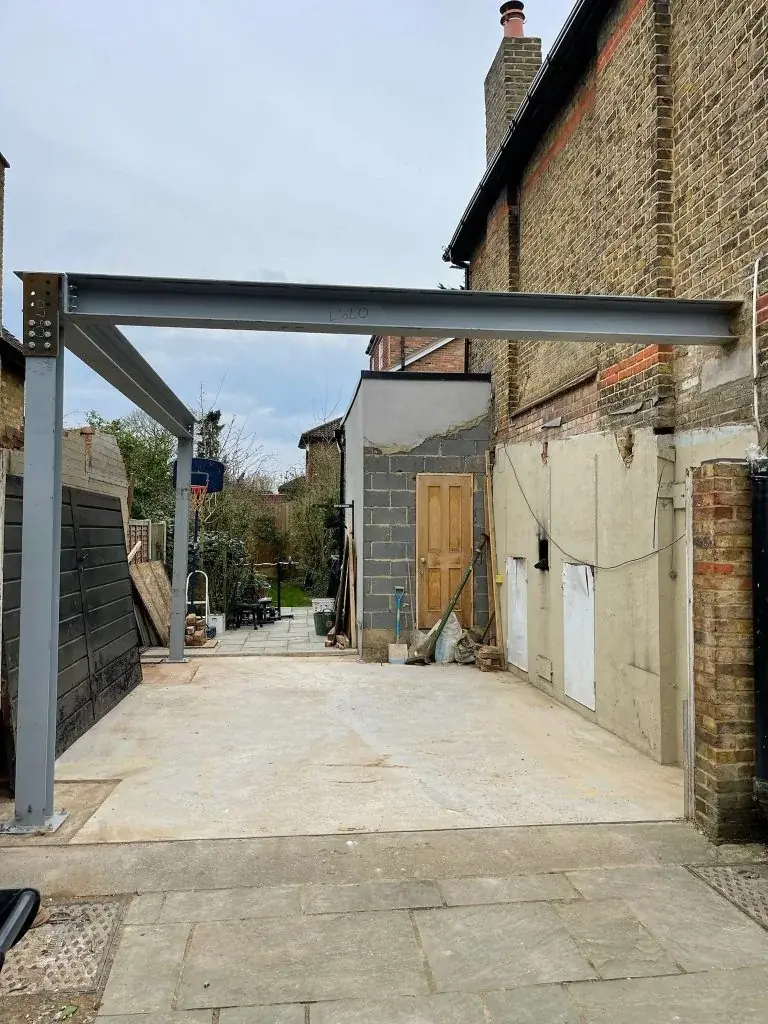
If a path or side access already makes bins, bikes or garden furniture easier to move, keeping it may be more valuable than replacing it. A garden should support routine use as well as looks, especially where the route from house to outside space is used often.
Reworking the layout can still help if the existing arrangement is awkward, muddy or split into unusable strips. The question is whether the change improves the finished garden enough to justify the disruption and any changes to levels or surfaces.
Hornchurch garden and boundary checks
Hornchurch projects should be checked by exact address rather than assumption. If the garden work changes the outside appearance of a property in a designated conservation area, or involves boundary features that need consent or neighbour agreement, those questions need separating early. The practical design brief should still focus on access, levels and how the space is actually used, not just on surface finishes.
Design decisions
Shape the ground around drainage and the intended use
Levels, drainage and surface materials should be considered together. A patio that looks good but holds water, or a lawn area that is awkward to reach, will not serve the home well for long.
If the brief includes fencing, gates or boundary features, ownership and access should be clear before work starts. The same applies to ground preparation and making good after any related building work, so the outside space reads as part of the whole project.
Design checks
Four things we confirm before drawing garden improvements.
- 01Check how people move between the house, side access and the garden.
- 02Review levels and drainage before choosing paving or planting areas.
- 03Confirm boundary ownership and any consent issues before fencing or gates.
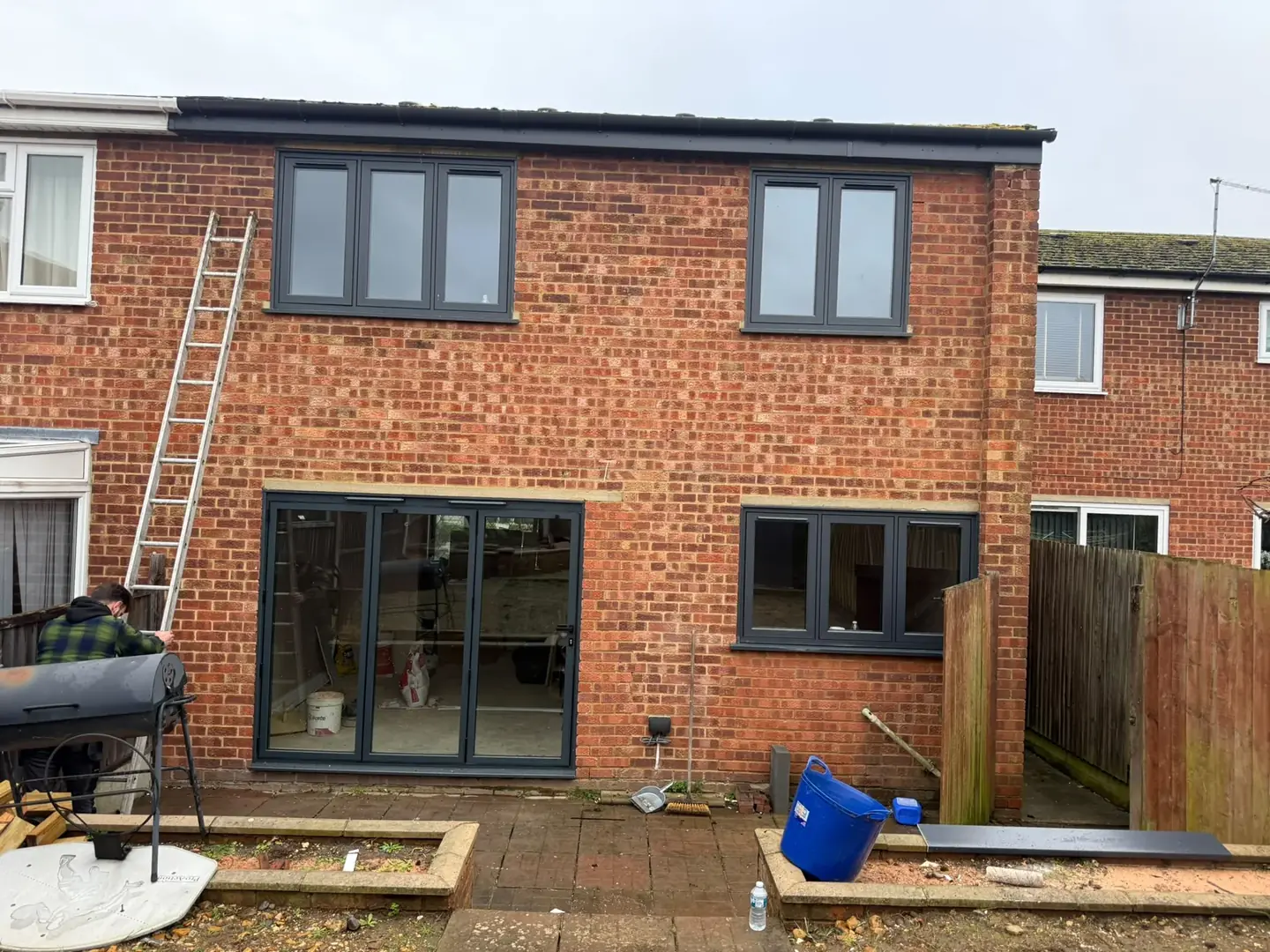
- 04Allow for ground preparation and making good after building work.
How do I decide whether to keep an existing garden path?
Keep it if it still gives sensible access and suits the way the space is used. Replace or reroute it if it is awkward, unsafe or prevents the rest of the garden from working properly.
Does garden design need to start with planting?
Usually no. It is better to begin with access, levels, drainage and the hard landscaping, because those shape how the space functions. Planting then supports the structure rather than trying to solve practical problems after the fact.
What should be settled before fencing or gates are included?
Ownership, access and the exact boundary line should be clear first. That avoids disputes and makes sure the finished features fit the garden rather than creating a problem for neighbours or later maintenance.
Planning and project guidance
- Conservation areas | Heritage | London Borough of Havering
- GOV.UK · Planning permission
- GOV.UK · Building regulations approval
- GOV.UK · Party walls and building work
Check the current guidance for your address before relying on a planning route. This guide is not a planning decision or a verified local case study.
Other services in Hornchurch








