
Buckinghamshire · Marlow · Town service guide
Renderingin Marlow.
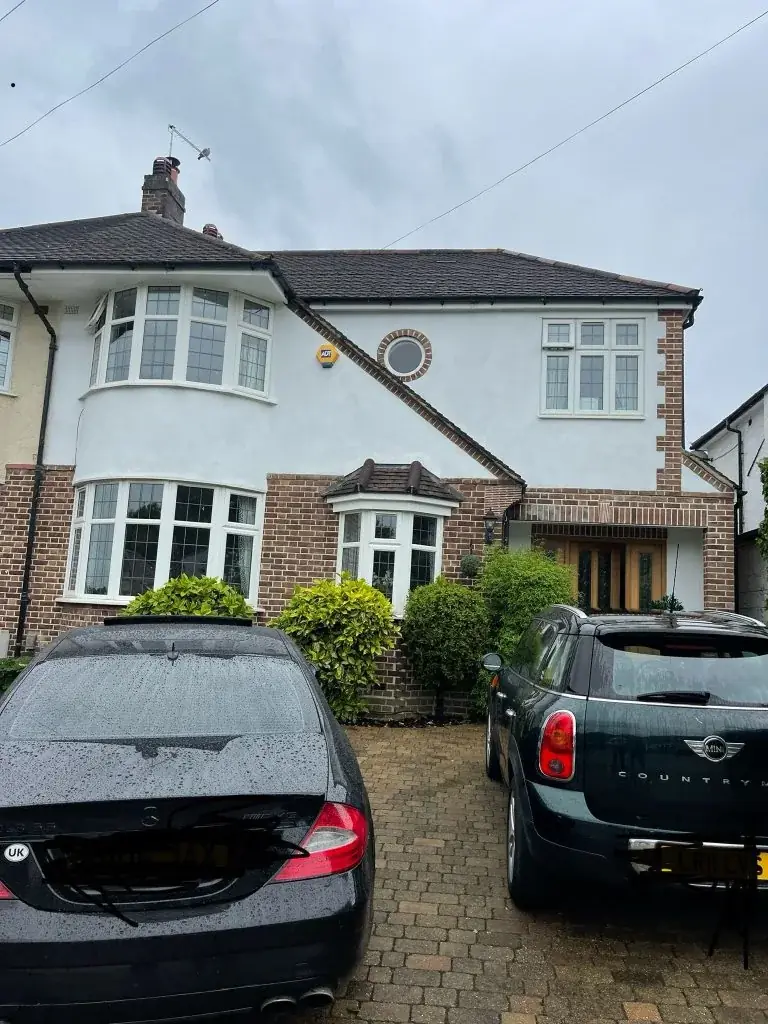
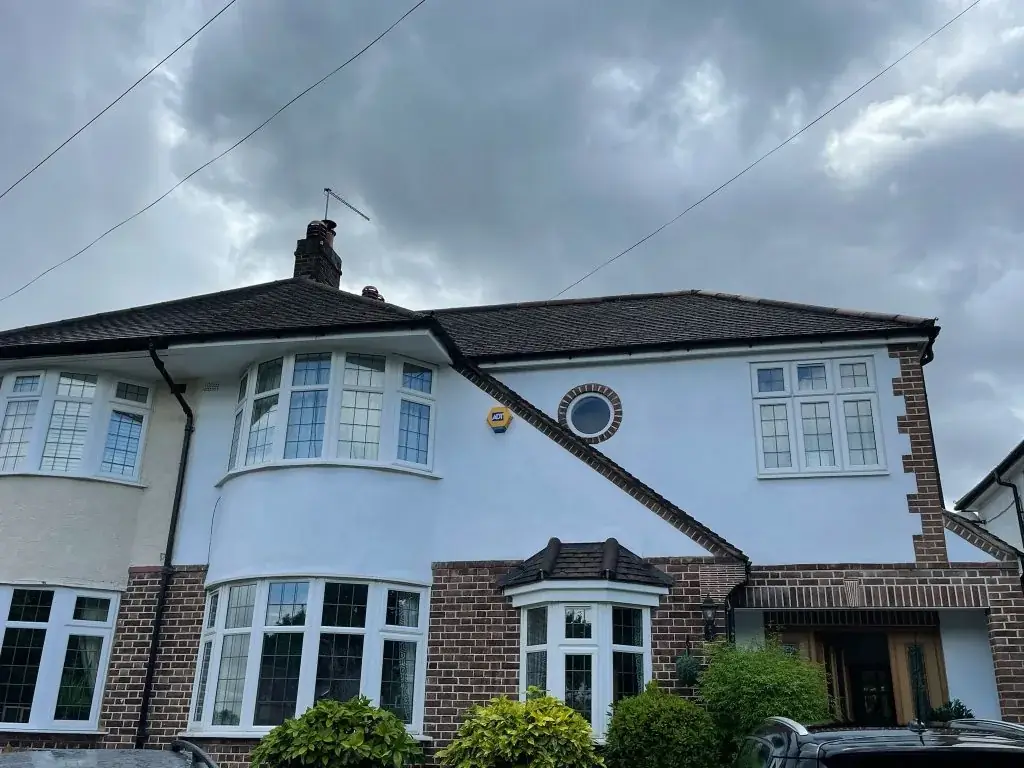
Rendering changes the outside of a building, but the right system depends on what is already there. In Marlow, the key decisions are the wall condition, the way moisture is behaving and how the render will meet openings, roofs and adjoining materials.
- Service
- Rendering
- Town / city
- Marlow
- County
- Buckinghamshire
- Next step
- Discuss your project
Your project brief
Assess the wall before choosing the render system
Cracking, failed patches and trapped moisture can all affect whether a wall is suitable for re-rendering or needs more extensive preparation. The background has to be sound enough for the system chosen, otherwise the new finish may simply cover a problem that remains underneath.
Older walls may need a breathable approach rather than a standard modern system. The material choice should follow the construction and condition of the wall, not the assumption that all external walls can take the same finish.
Marlow checks before external wall changes
Buckinghamshire Council’s conservation-area maps and character appraisals include a Marlow document, and Little Marlow is separate. Check the exact address on current council mapping before using the Marlow survey. That evidence is useful context, but it does not establish wall moisture, substrate condition or structural suitability, so the building still needs its own checks.
Design decisions
Plan the junctions as carefully as the surface
The finish is only part of the work. Openings, roof edges and adjoining materials need considered details so water does not find its way behind the render or leave awkward terminations at the edges.
If external appearance is changing as part of a broader refurbishment, the render should be coordinated with the other work rather than treated as a stand-alone cosmetic coat. That way the wall, its details and any repairs all point in the same direction.
Design checks
Four things we confirm before drawing external rendering.
- 01Inspect cracking, failed areas and moisture signs before choosing a system.
- 02Match the render to the construction beneath it, not just the appearance wanted.
- 03Detail junctions around openings, roof edges and adjoining materials carefully.
- 04Keep larger repair issues separate from the render finish itself.
Why can’t all external walls take the same render system?
Because the underlying construction can be different. Older solid walls, repaired areas and walls affected by moisture may need a more compatible approach than a standard modern finish.
What should be decided about junctions before rendering starts?
How the render will meet windows, doors, roof edges and adjacent materials. Those details affect durability and appearance, and they are easier to resolve before application begins.
Does rendering solve damp on its own?
Not reliably. If moisture is already trapped or moving through the wall, that cause needs understanding first. Rendering should not be used as a cover for an unresolved problem.
Planning and project guidance
- Buckinghamshire Council · conservation-area maps and individual character appraisals
- GOV.UK · Planning permission
- GOV.UK · Building regulations approval
- GOV.UK · Party walls and building work
Check the current guidance for your address before relying on a planning route. This guide is not a planning decision or a verified local case study.
Other services in Marlow








