
Harrow · West London
Renderingin Pinner.
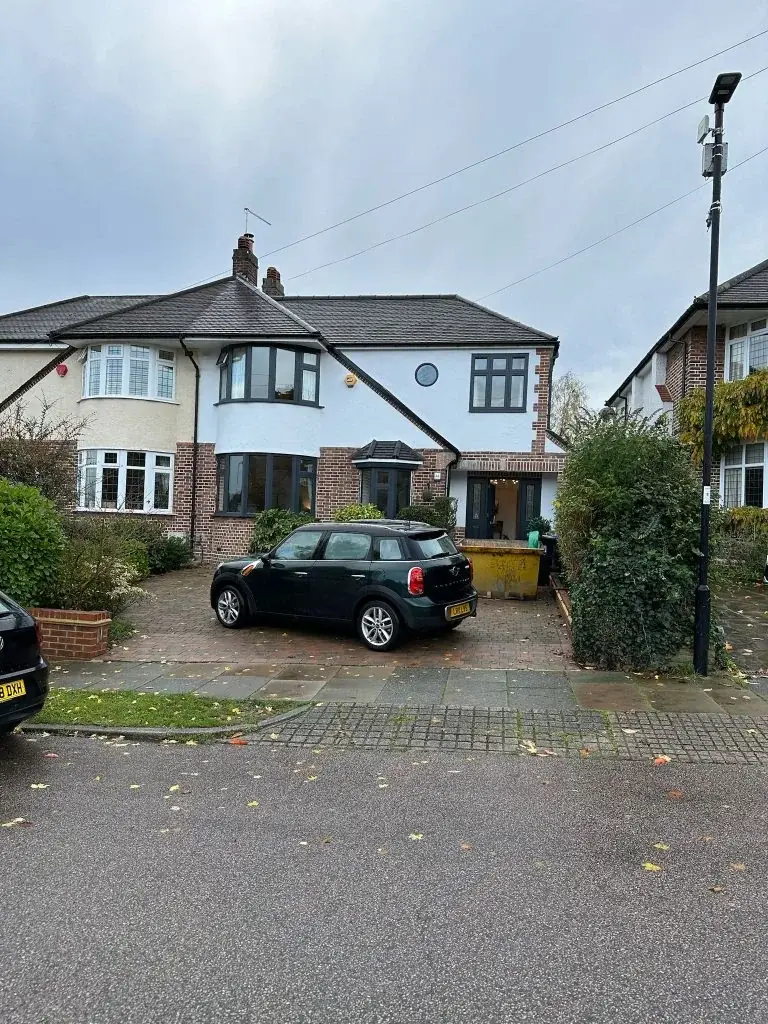
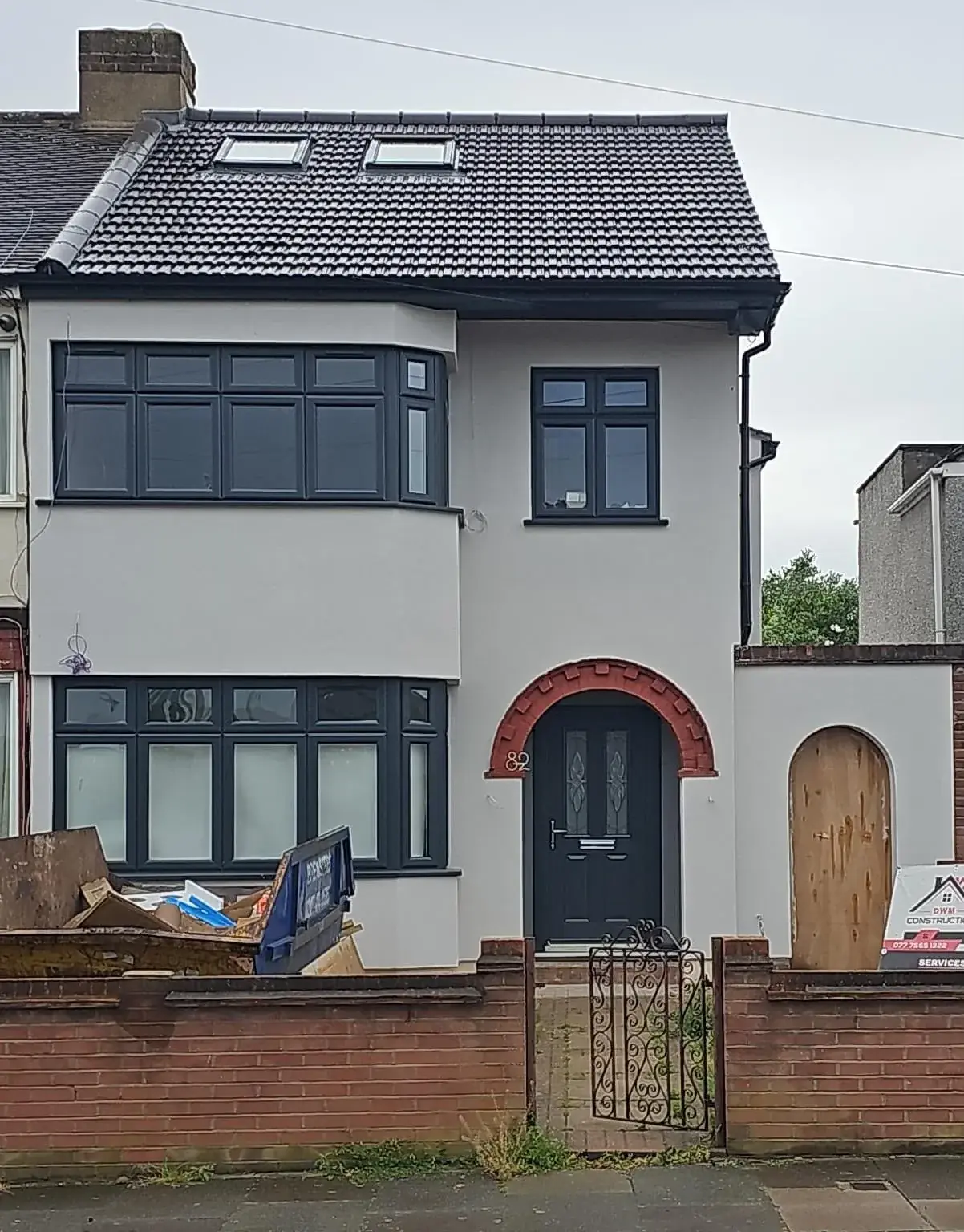
Rendering changes how an external wall looks and performs, but it has to suit the wall underneath. The main decisions are about background condition, compatibility with the existing wall build-up and how the finish meets openings, edges and adjoining materials.
- Service
- Rendering
- Neighbourhood
- Pinner
- Borough
- Harrow
- Next step
- Discuss your project
Your project brief
Check the wall and the existing finish before specifying the render
The first question is what the wall is made of and what is already there. Some backgrounds can accept repair and re-rendering, while others need more preparation or a different approach. If the old render is failing, it should be assessed rather than simply covered over.
That assessment matters because a poor base can spoil a new finish. Loose areas, cracks and patches around openings can all affect adhesion and appearance. The render should be chosen after the substrate is understood, not before, so the system matches the wall rather than fighting it.
Pinner checks for external wall changes
Harrow’s borough information shows that Pinner is one of the areas associated with conservation-area search guidance, and some locations may have extra requirements. That does not mean every rendered wall needs consent, but the exact address should be checked if the work affects the building’s external appearance. A postcode search is a starting point, not proof that every nearby street falls under the same rule.
Design decisions
Treat junctions and access as part of the job, not an add-on
A render project needs more than the broad wall area. Junctions around windows, doors, roof edges and adjoining materials should be part of the scope because those details often determine whether the finished wall looks tidy and weathers properly.
Access and preparation should also be agreed in advance. If part of the wall needs repair or removal of failed material, the work sequence should state that clearly. That avoids assumptions about what is staying, what is being replaced and what level of making good is included.
Design checks
Four things we confirm before drawing external rendering.
- 01Assessment and preparation of suitable external wall backgrounds.
- 02Removal or repair of failed render where the agreed approach requires it.
- 03Application of a specified render system with compatible details and finishes.
- 04Junctions around openings, roof edges and adjoining materials considered within the scope.
What should be checked before rendering starts?
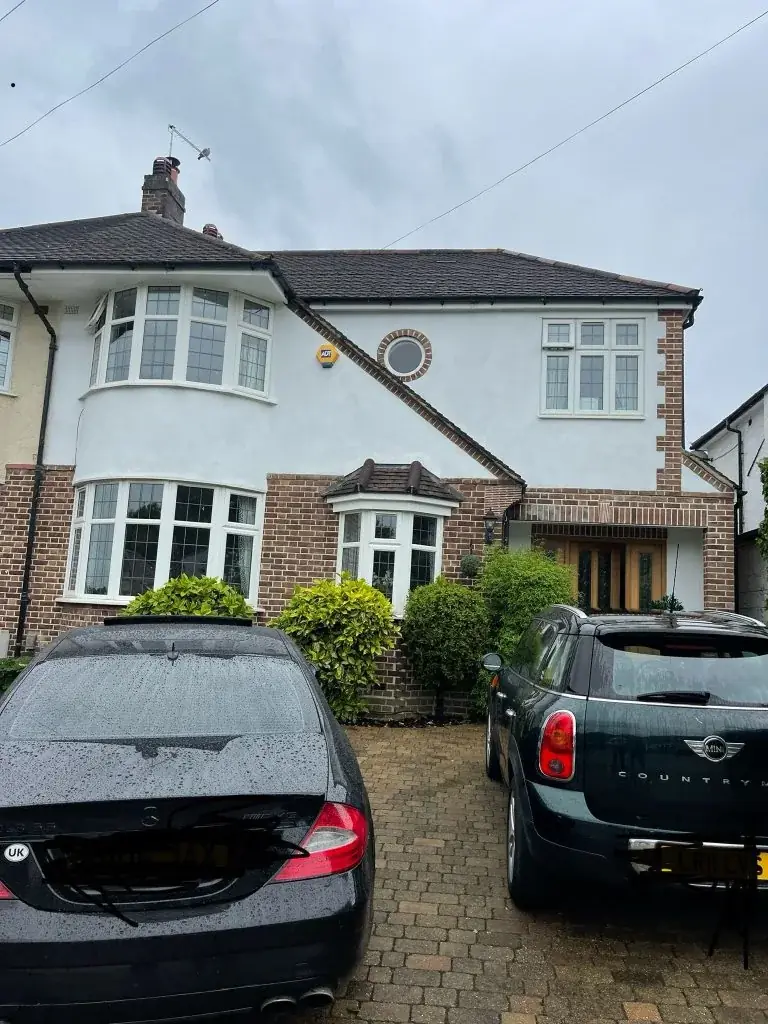
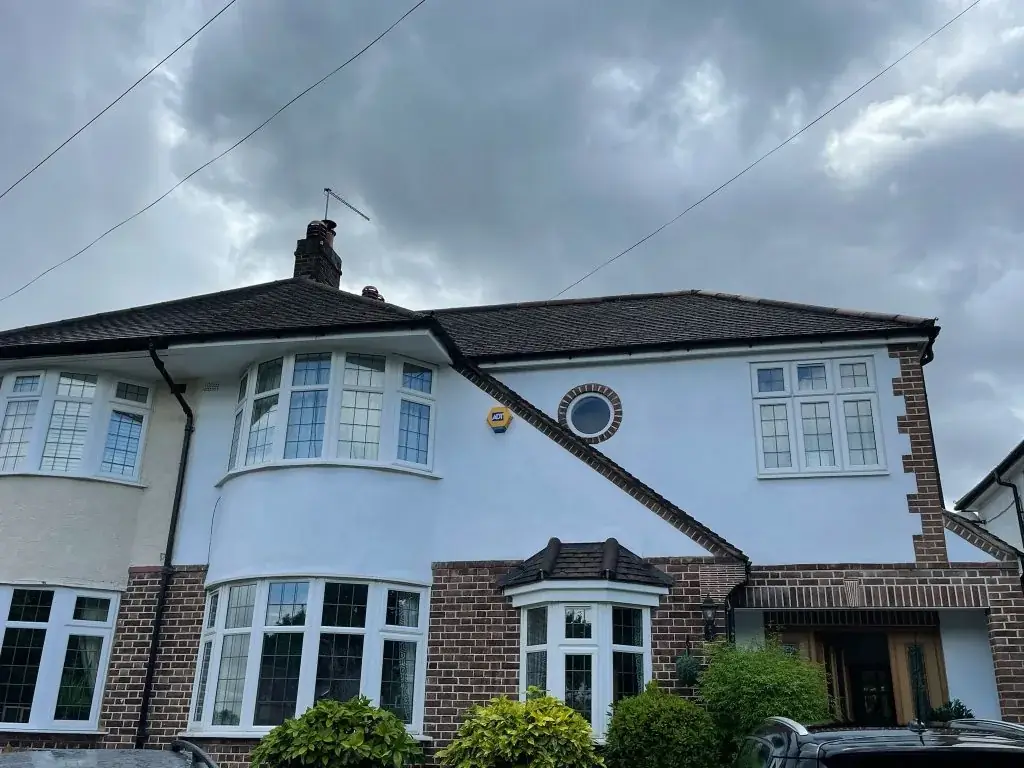
The wall’s condition, the existing finish, any failed areas and the junctions with doors, windows and roof edges should all be assessed before a system is chosen.
Can render be applied over damaged areas without repair?
Not sensibly. The base needs to be sound enough for the new system, so failed sections usually need repair or removal first.
Why do edges and junctions matter so much in rendering?
Because those are the points most likely to show movement, mismatch or water entry. Good detailing there makes the whole wall perform and look better.
Planning and project guidance
- Conservation areas and Article 4 – London Borough of Harrow
- GOV.UK · Planning permission
- GOV.UK · Building regulations approval
- GOV.UK · Party walls and building work
Check the current guidance for your address before relying on a planning route. This guide is not a planning decision or a verified local case study.
Other services in Pinner








