
Newham · East London
Gardensin Plaistow.
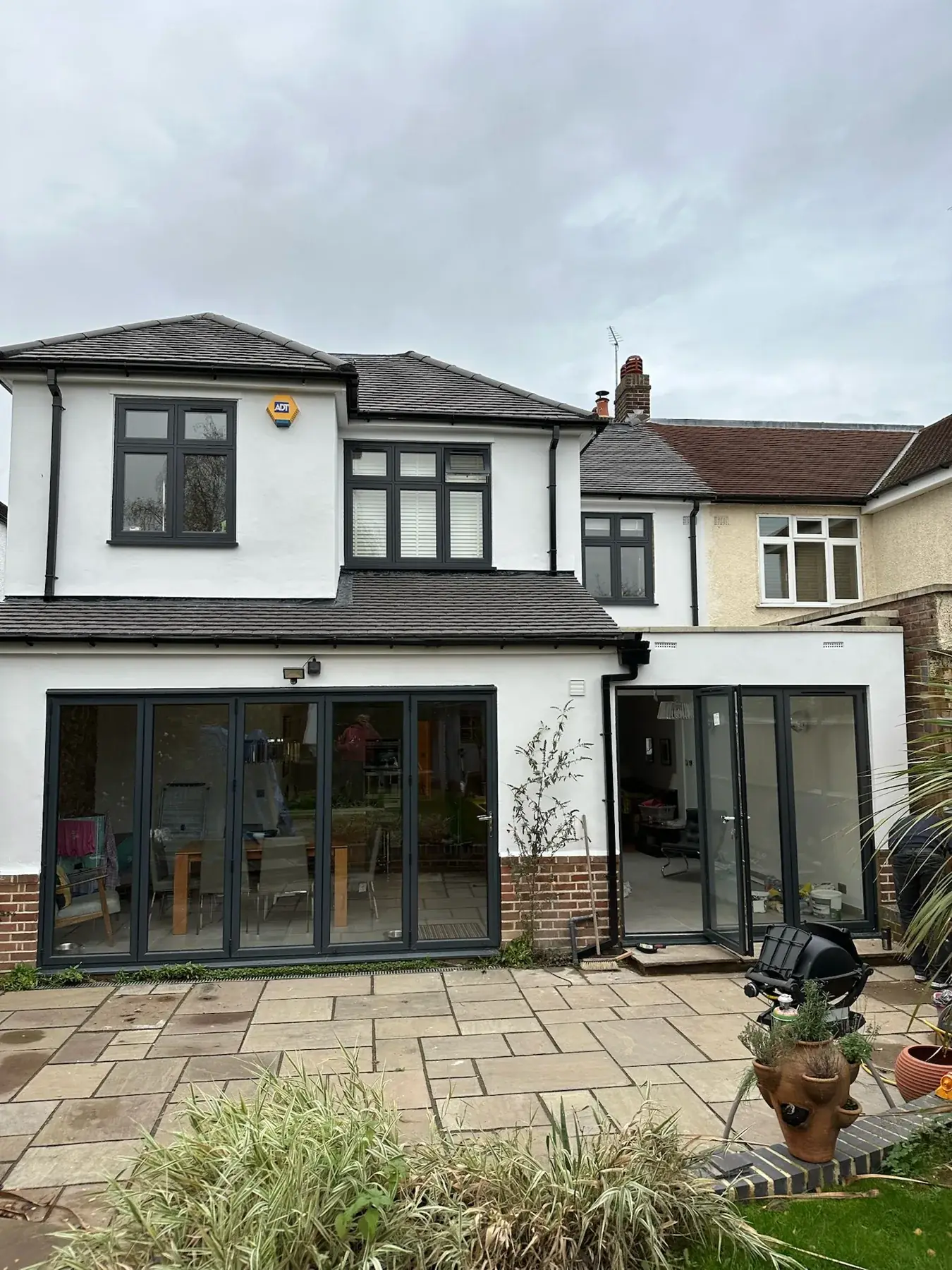
A garden works best when it is designed as part of the home, not as a separate leftover area. For a work-from-home household, that means thinking about where the garden is seen from, how easily it can be reached and whether the surface, levels and drainage suit everyday use.
- Service
- Gardens
- Neighbourhood
- Plaistow
- Borough
- Newham
- Next step
- Discuss your project
Your project brief
Decide what the garden needs to do for the house
A useful garden starts with purpose. It may need a place to sit, dry access to bins, a path to a shed or a more robust surface where children, plants or outdoor storage will be. The intended use should shape the materials and the layout, because a pleasant-looking finish can still be awkward if it does not match daily habits.
If the garden is visible from a workspace, sightlines matter too. A calmer route, tidier edge detail or better separation between hard and soft areas can make the outside feel more settled when you are looking out between calls. That is a design choice, not just decoration.
Local checks for garden work in Newham
Newham’s conservation-area page confirms that some places have extra controls, especially for work that affects appearance or trees. That does not mean every garden in Plaistow is covered. Check the exact address and the specific work proposed before assuming any permission route, because the borough page is only the starting point.
Design decisions
Check levels, drainage and boundaries before choosing finishes
Hard landscaping, fencing and gates all depend on the site details being understood first. A patio or path should not be designed without considering levels and how surface water will move. Likewise, boundary features need ownership and access clarified before any work is agreed, so there is no confusion once construction starts.
For a possible brief, a neat sketch may show a level terrace and straight edge lines. A buildable version might need stepped areas, drainage adjustments or different surface materials if the existing ground or the interface with the house makes the first idea unsuitable. That keeps the finished garden practical rather than over-idealised.
Design checks
Four things we confirm before drawing garden improvements.
- 01Set out the intended use of the garden before choosing materials.
- 02Check levels and surface-water movement alongside the house.
- 03Confirm boundary ownership and access before work on fencing or gates.
- 04Agree ground preparation, making good and any planting areas in advance.
Why should a garden be planned with the house in mind?
Because the garden is usually experienced from the rooms that face it and through the routes that connect to it. If those connections work well, the outside space feels like part of the home rather than an afterthought.
Can a patio design ignore drainage if the surface is level?
No. Even a level-looking space needs a plan for surface water. The actual build may need falls, channels or other adjustments so water does not sit where people need to walk or sit.
What should be checked before new fencing or gates are ordered?
Confirm the boundary position, access needs and who is responsible for the land the feature sits on. That prevents disputes and avoids ordering a layout that does not fit the actual site.
Planning and project guidance
- Conservation areas in Newham – Conservation areas and listed buildings in Newham – Newham Council
- GOV.UK · Planning permission
- GOV.UK · Building regulations approval
- GOV.UK · Party walls and building work
Check the current guidance for your address before relying on a planning route. This guide is not a planning decision or a verified local case study.
Other services in Plaistow








