
Bexley · South London
Renderingin Sidcup.
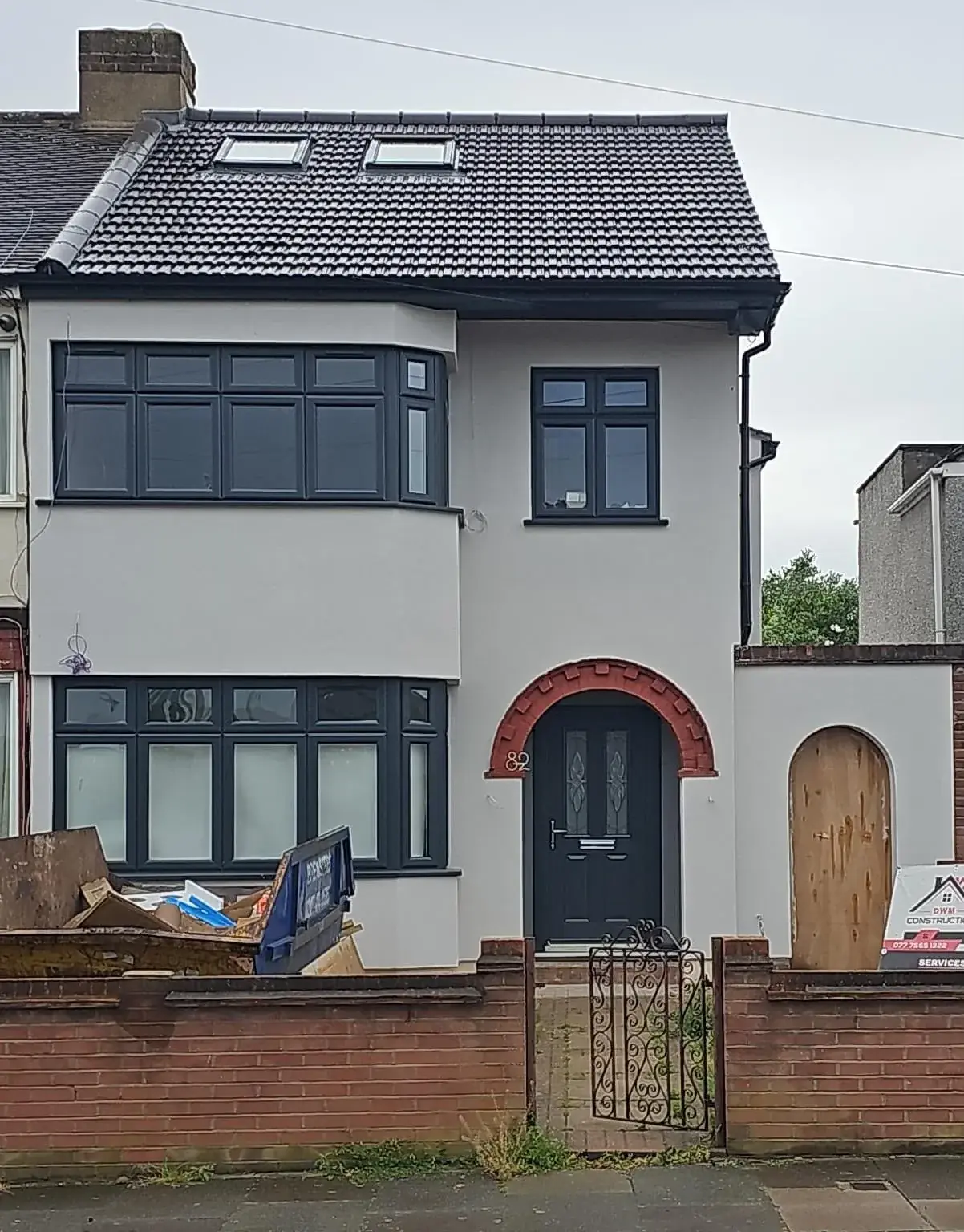
Rendering changes the appearance of a wall, but the right choice depends on what the wall is made of and how it has aged. If the home is being improved alongside other work, the external finish should be chosen for compatibility, weather exposure and the detail around openings.
- Service
- Rendering
- Neighbourhood
- Sidcup
- Borough
- Bexley
- Next step
- Discuss your project
Your project brief
Check the wall before choosing the render system
Render is not a one-size-fits-all finish. The wall beneath may already have a coating, may show signs of failure or may need preparation before any new system will work properly. A good brief records the background condition, the areas to be repaired and the desired final appearance so the right method can be chosen.
A hypothetical survey helps separate a nice external elevation from a buildable proposal. For example, a drawing may show a smooth finished wall, but the actual substrate could require patch repairs, removal of failed material or specific junction treatment. That difference is why render decisions should start with the wall, not the look.
Sidcup checks before external rendering starts
Bexley’s heritage page shows that some places are protected through listed status, local listing or conservation area controls. Sidcup appears in several conservation areas on the council page, so external render work should be checked against the exact address before assumptions are made. That is especially important where the finish may alter the building’s appearance rather than simply repair a damaged wall.
Design decisions
Think about edges, openings and related building work
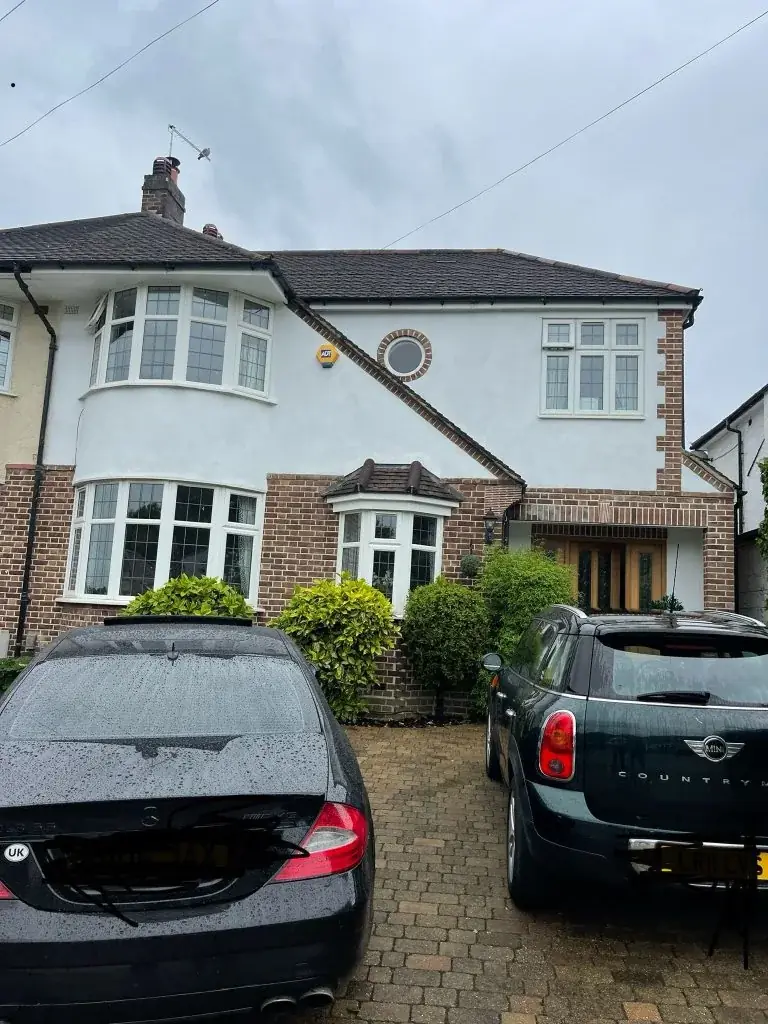
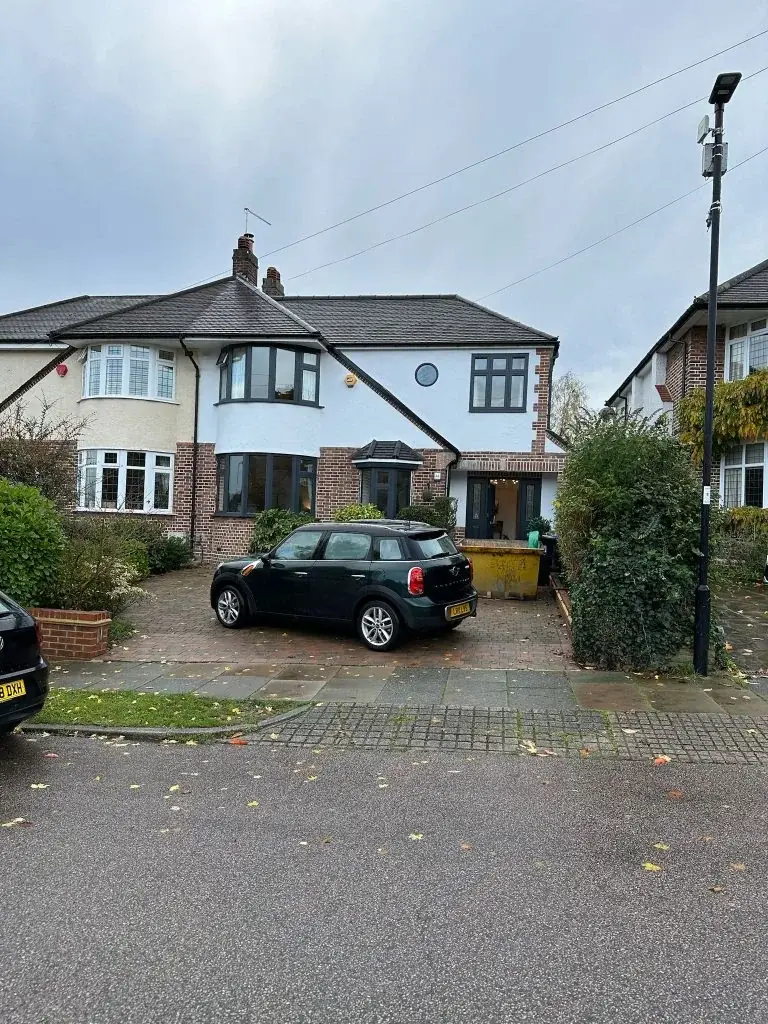
The detail at windows, doors, roof edges and adjoining materials often decides whether rendering succeeds. These junctions need careful planning because water, movement and differing materials meet there. If the render is part of a wider renovation, it should be coordinated with any external repairs rather than applied in isolation.
For a home office at the front or side of the house, a well-planned exterior can also help the building feel calmer and more complete. But the finish should be suitable to the site conditions and the existing construction, rather than chosen only because it looks clean in a brochure.
Design checks
Four things we confirm before drawing external rendering.
- 01Inspect the existing wall and any failed areas first.
- 02Confirm the render system matches the wall beneath it.
- 03Detail openings, roof edges and adjoining materials.
- 04Check whether the site has any heritage-related constraints.

Why does the wall beneath the render matter so much?
Because render has to bond to a suitable background. If the base is incompatible or failing, the finish may not last even if it looks good initially.
Can render be used just to modernise the look of a house?
Yes, but only after the wall condition and junctions are checked. A visual change is only worthwhile if the underlying wall can support it.
What should I ask about around windows and doors?
Ask how the edges will be detailed and protected from movement and moisture. Those junctions are often where problems appear first.
Planning and project guidance
- Conservation and Heritage | London Borough of Bexley
- GOV.UK · Planning permission
- GOV.UK · Building regulations approval
- GOV.UK · Party walls and building work
Check the current guidance for your address before relying on a planning route. This guide is not a planning decision or a verified local case study.
Other services in Sidcup








