
Ealing · West London
Roofingin Southall.
A roof leak is not always caused by the visible damaged tile or flashing. The main decision is whether the issue is localised repair, broader roof work or part of a larger conversion or refurbishment. The right answer depends on how the roof system is performing as a whole.
- Service
- Roofing
- Neighbourhood
- Southall
- Borough
- Ealing
- Next step
- Discuss your project
Your project brief
Look beyond the obvious defect
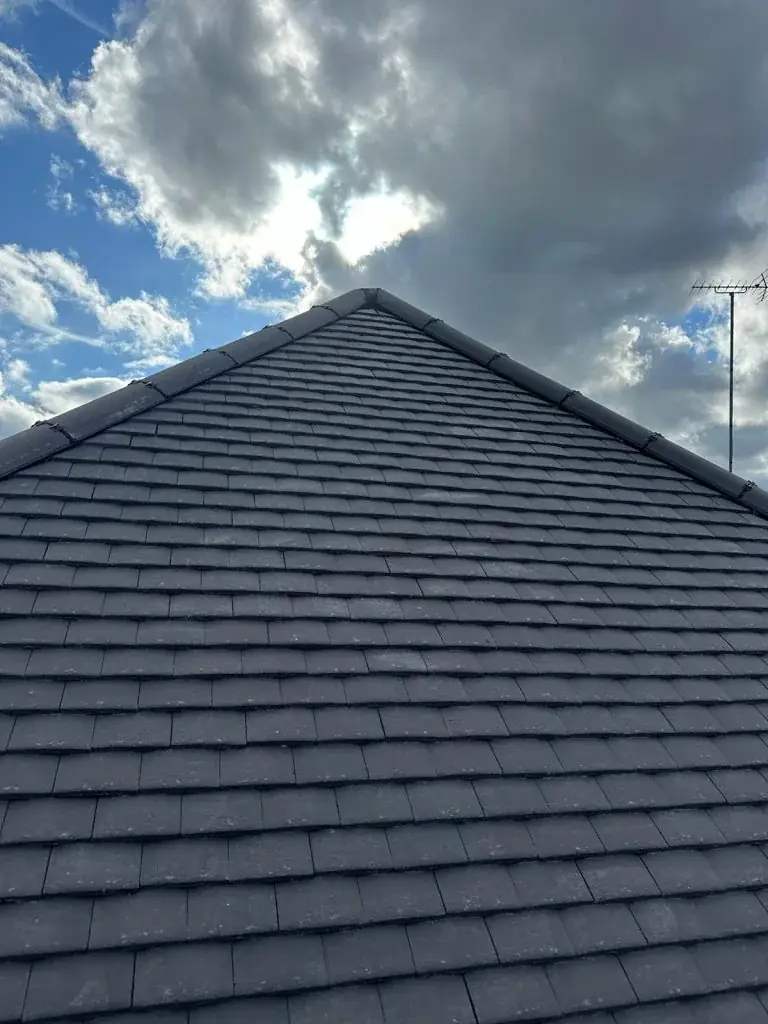
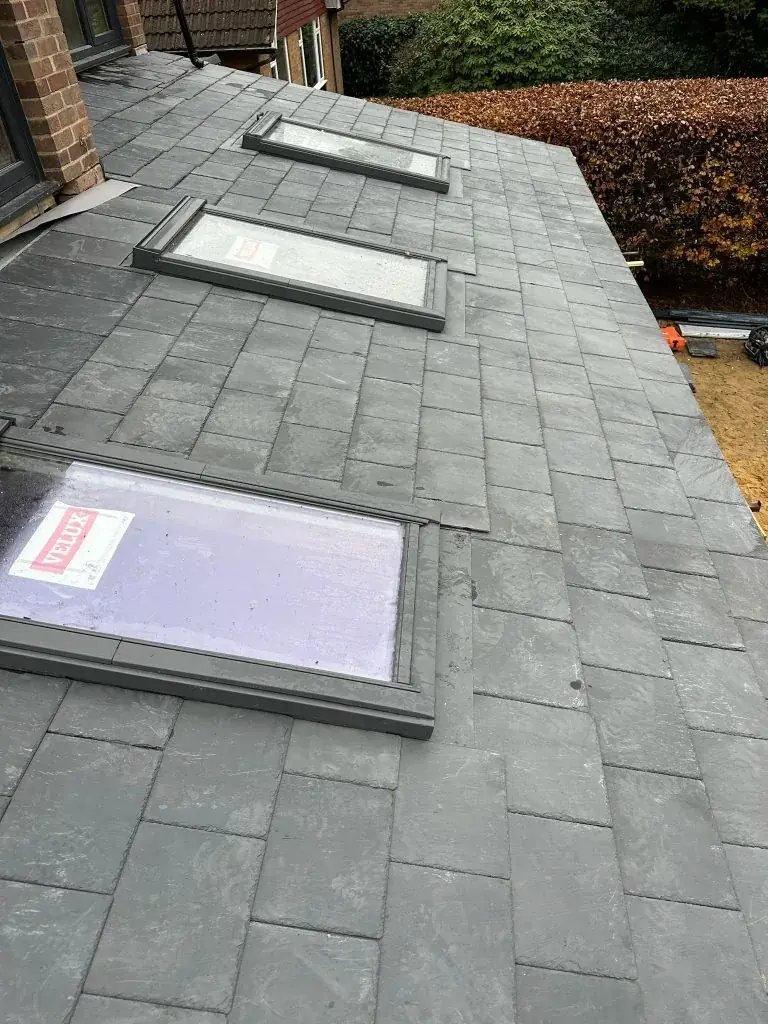
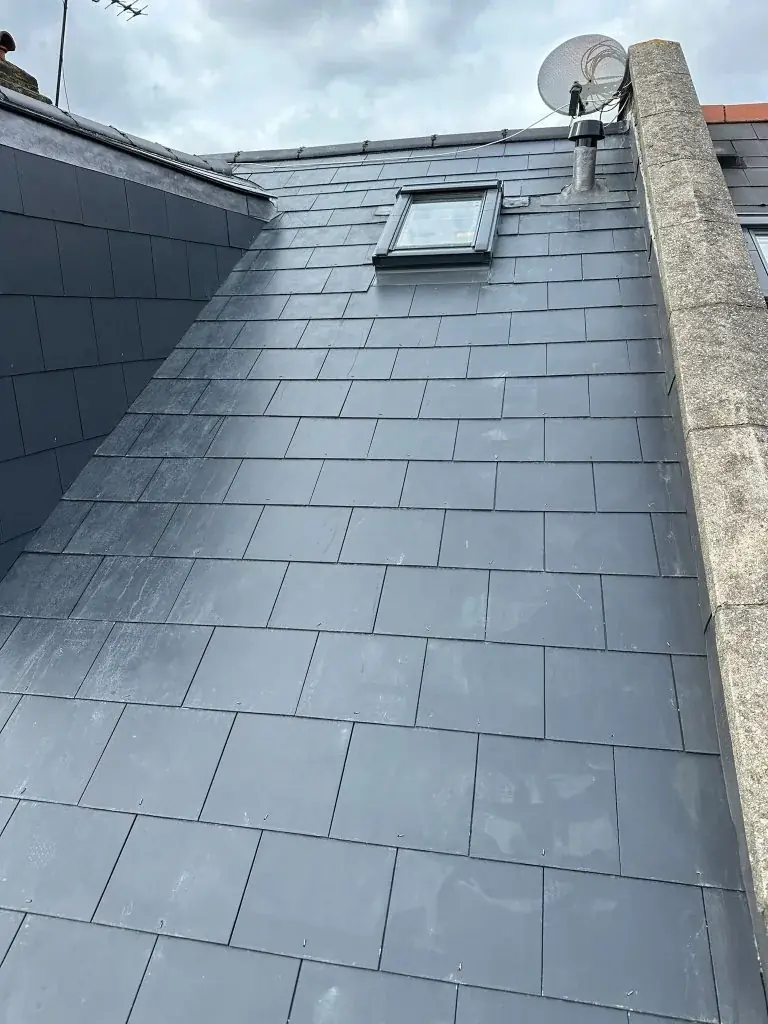
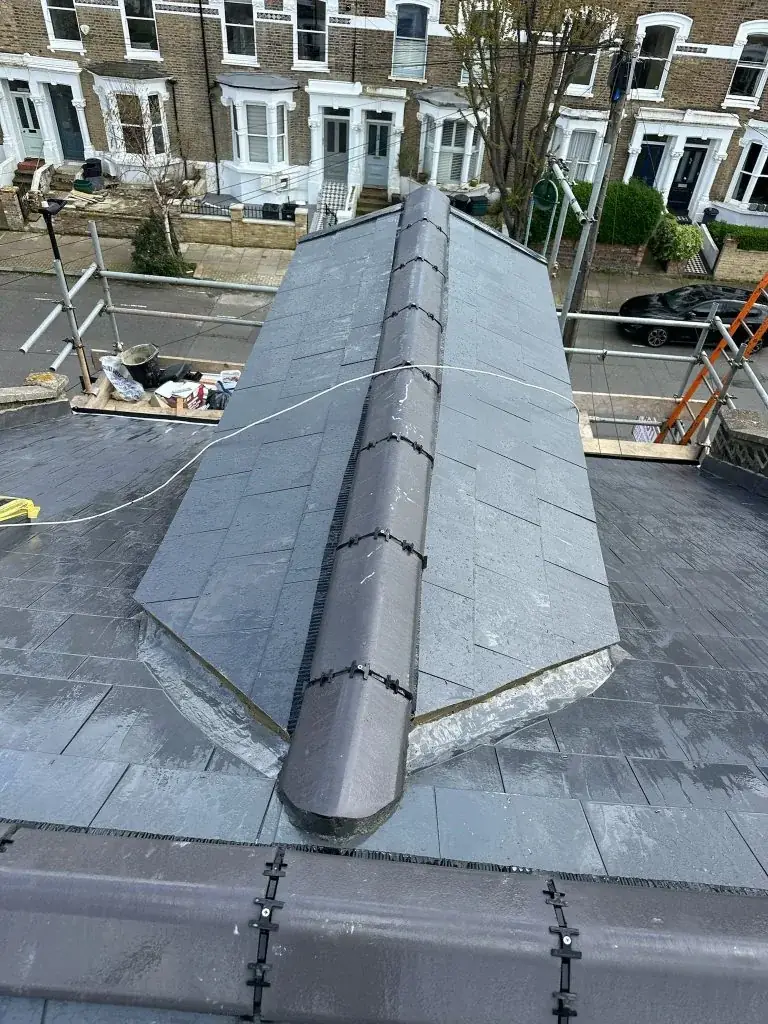
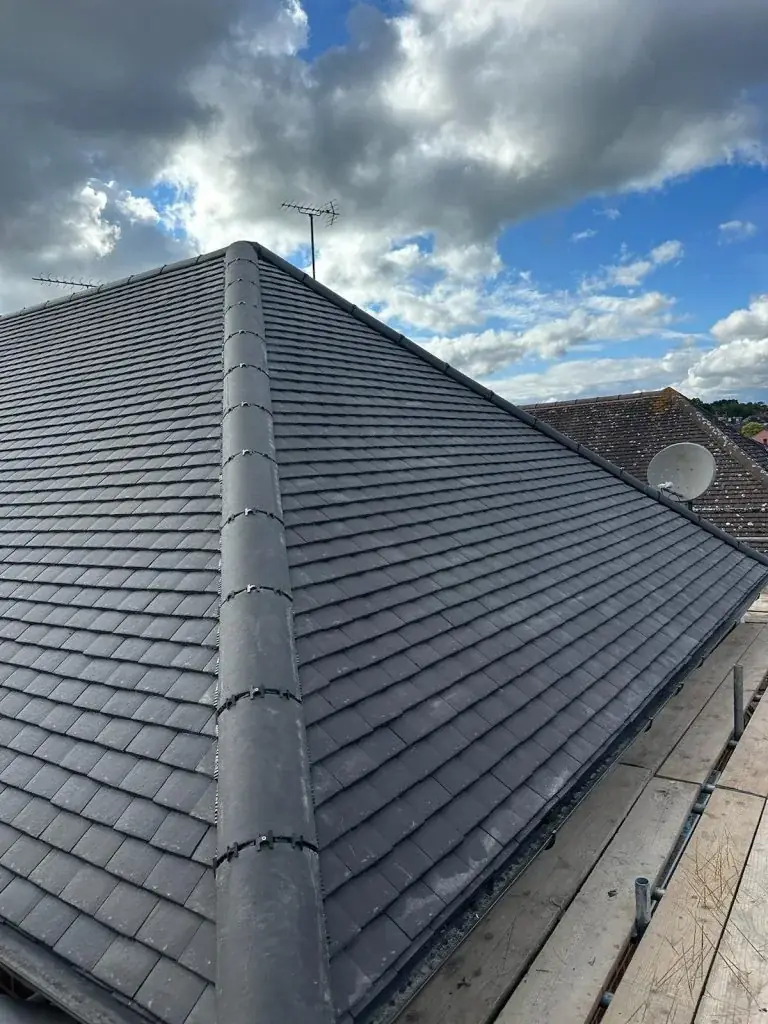
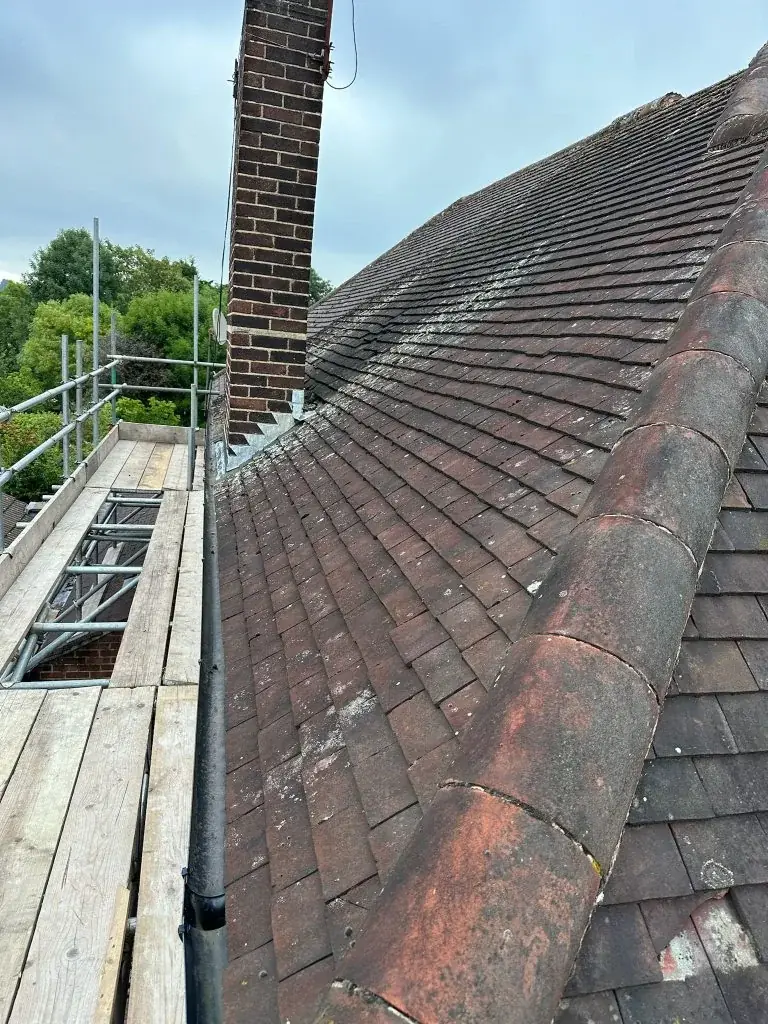
A roof problem often shows inside the house before the true cause is obvious outside. That is why accessible roof defects need checking in context, including coverings, ridges, flashings and rainwater junctions, rather than assuming the surface fault tells the whole story.
If the roof is otherwise sound, keeping most of it in place and repairing the weak point may be the sensible choice. If several details are failing together, a wider scope may be needed so the repair addresses the cause rather than only the symptom.
Local checks for Southall and Ealing
For Southall properties, check the exact address against Ealing’s planning information if the roof work is part of a larger external change. Ealing’s conservation-area page notes that some areas have extra restrictions, but the borough alone does not prove your home is affected. The specific site should be checked before any planning route is assumed.
Design decisions
Keep repair and alteration separate in the brief
Roof repairs, roof replacement and loft conversion are different scopes. They may affect one another, but they should not be blurred together. A repair brief should say what is being fixed; a conversion brief should also address the structural and design implications of the new use.
That distinction helps with sequencing. If the roof work is linked to a larger refurbishment, the scope should explain whether the current covering is being retained, patched or altered, so the final roof performs as intended and the rest of the home is not caught out by the wrong assumption.
Design checks
Four things we confirm before drawing roofing work.
- 01Investigate the accessible roof defect and agree the repair scope.
- 02Check coverings, ridges, flashings and drainage together.
- 03Keep repair work separate from loft-conversion design.
- 04Confirm whether the roof is being retained, patched or altered.
How do I know whether I need a repair or a bigger roof project?
If the defect is isolated and the rest of the roof is performing well, a repair may be enough. If several elements are failing or the roof is being altered for another reason, a broader scope may be more appropriate.
Why not treat loft conversion and roof repair as one thing?
Because they involve different design and structural decisions. A conversion changes how the roof is used and may require wider work, while a repair aims to resolve a specific issue. Keeping them separate makes the brief clearer.
What details should be checked besides the tiles?
Ridges, flashings, abutments and rainwater junctions. These areas often cause leaks or reveal problems that the covering alone does not show, so they should be included in the inspection and the repair scope.
Planning and project guidance
- Management within conservation areas | About conservation areas | Ealing Council
- GOV.UK · Planning permission
- GOV.UK · Building regulations approval
- GOV.UK · Party walls and building work
Check the current guidance for your address before relying on a planning route. This guide is not a planning decision or a verified local case study.
Other services in Southall








