
Hertfordshire · St Albans · Town service guide
Roofingin St Albans.
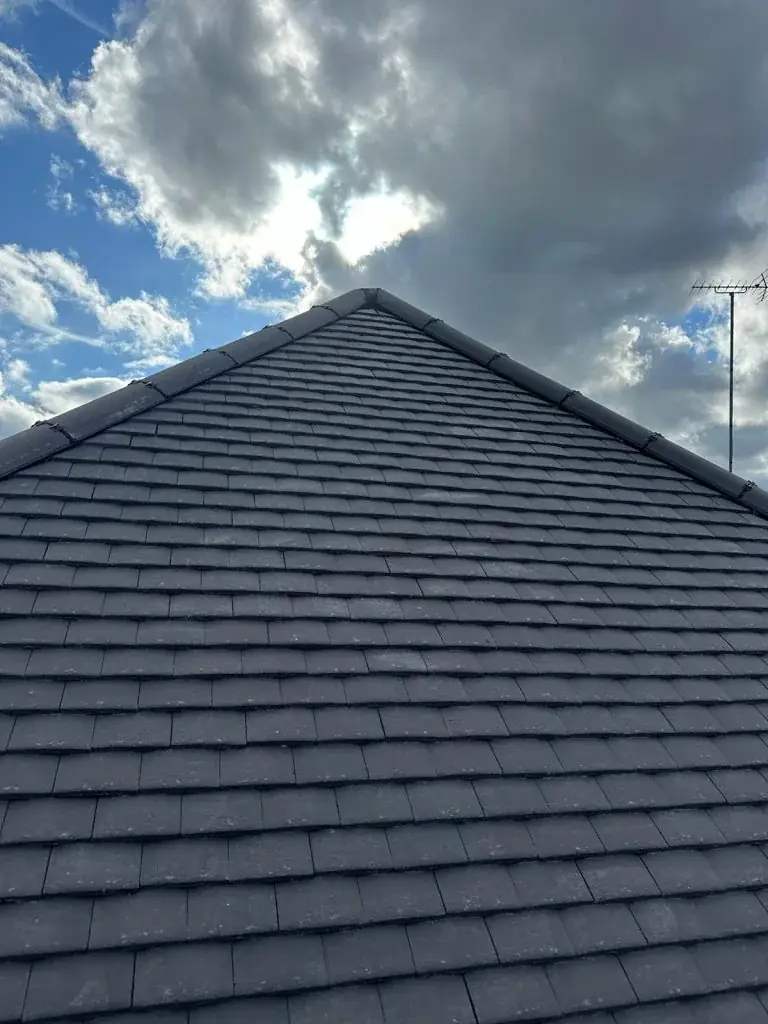
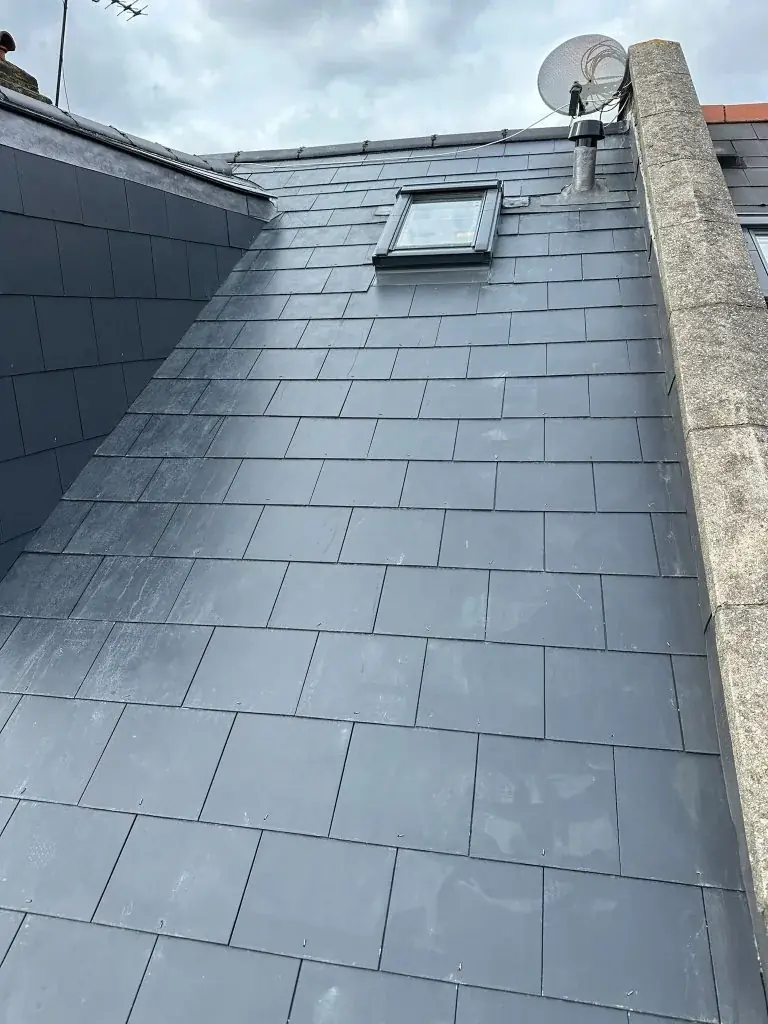
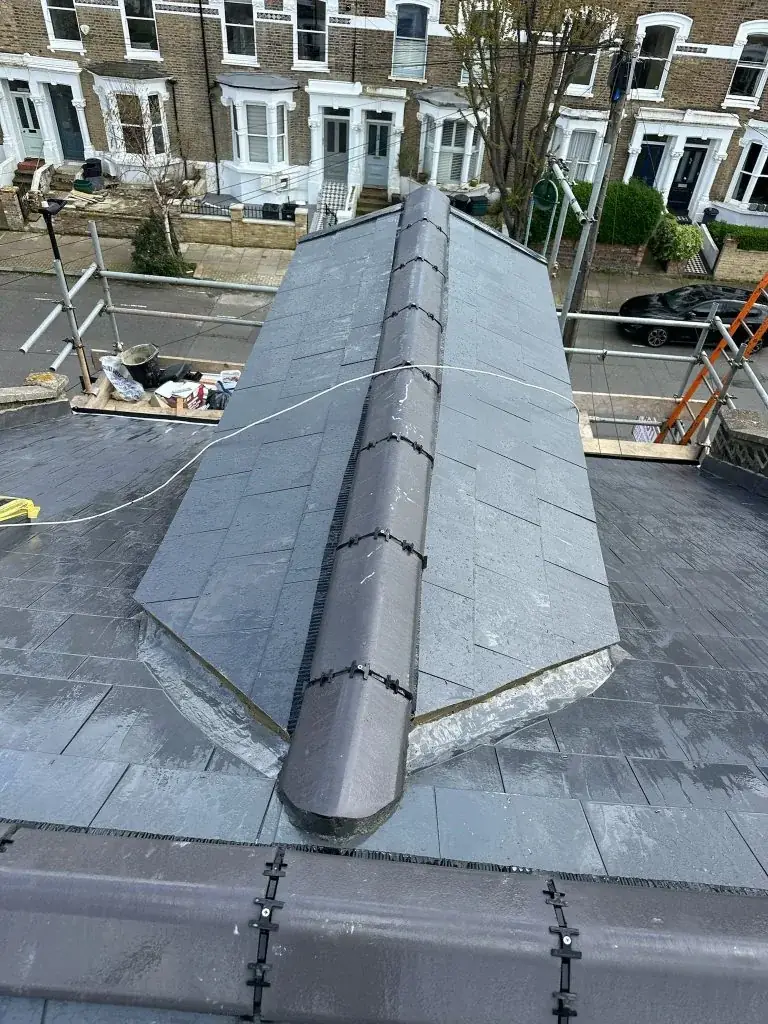
Roof work is best planned from the problem downwards, not from the visible tile upwards. A damp patch may be caused by a flashing, ridge, valley or underlying issue, so the right repair depends on understanding the roof as a system rather than a single surface.
- Service
- Roofing
- Town / city
- St Albans
- County
- Hertfordshire
- Next step
- Discuss your project
Your project brief
Investigate the cause before choosing the repair
The first step is to identify what can be inspected safely and what the visible symptom is actually telling you. A roof problem is not always caused by the tile directly above the damp patch, and a repair that misses the real source can waste time and money.
Access, pitch and the condition of the structure all matter. Safe access may require scaffolding or other arrangements, and the quote should make clear what can be inspected and what cannot. That prevents assumptions about concealed defects that are only discovered later.
St Albans local check for roof alterations
St Albans City and District Council’s conservation evidence is arranged by character area, with separate checks for the planning-constraints map and any Article 4 direction. For roofing, that is relevant when the work changes the external appearance or forms part of a conversion. Use the exact address, because the local evidence must match the specific house rather than the wider town.
Design decisions
Keep repair, replacement and conversion separate
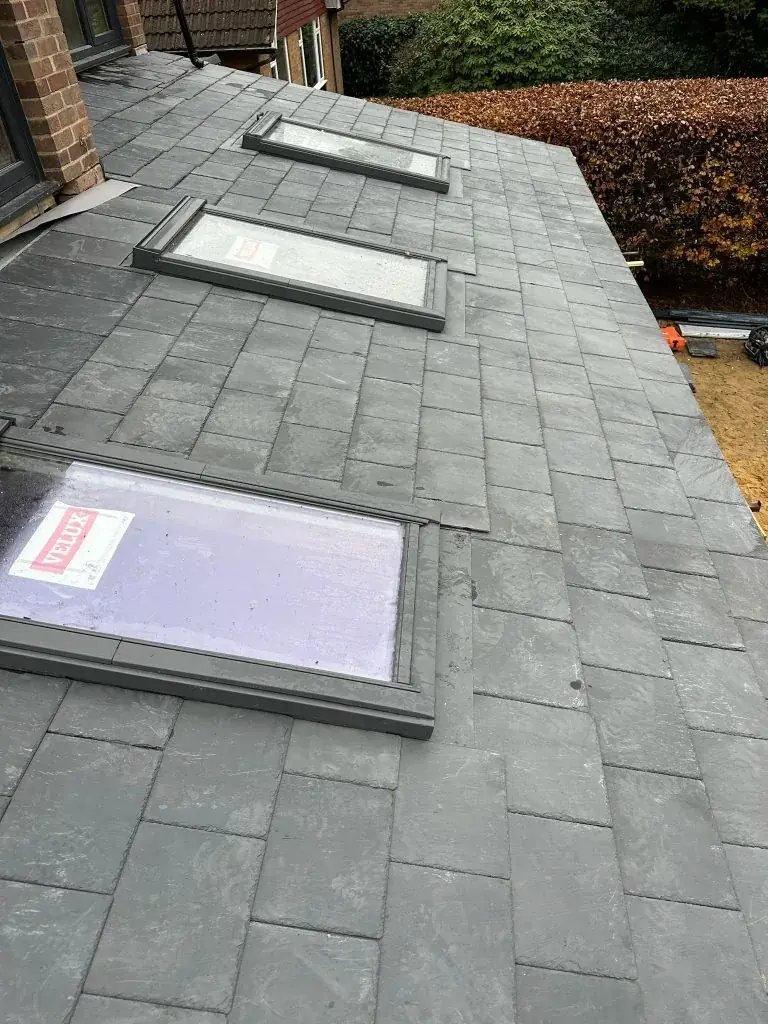
Roofing repair, roof replacement and loft conversion are different scopes. Re-roofing can trigger Building Regulations considerations, and some alterations may need planning or listed-building consent. A loft project may also change the roof structure itself, which is a different decision from patching a defect.
For example, if the brief starts as a repair but the roof covering and structure are both aged, the scope should say whether the job is local repair, full renewal or part of a larger conversion. That avoids redesign once the roof is opened up.
Design checks
Four things we confirm before drawing roofing work.
- 01Identify the cause of the defect before agreeing the repair.
- 02Check access arrangements and what parts of the roof can be inspected safely.
- 03Separate repair, replacement and loft-conversion scopes in writing.
- 04Allow for any planning, listed-building or Building Regulations considerations.
Why is roof work not always about the visible damaged tile?
Because water can travel along junctions, flashings or internal roof layers before it appears inside. The visible damp patch is a clue, not always the exact point of failure.
What should be agreed before a roof is opened up?
The likely scope, access method and what happens if hidden deterioration is found. That way everyone understands whether the job is a local repair or a broader renewal if more damage appears.
How is a loft conversion different from roof repair?
A loft conversion changes how the roof space is used and may alter the structure, access and external form. A repair is usually about fixing the roof’s existing performance without changing its purpose.
Planning and project guidance
- St Albans City and District Council · character areas, constraints map and Article 4 guidance
- GOV.UK · Planning permission
- GOV.UK · Building regulations approval
- GOV.UK · Party walls and building work
Check the current guidance for your address before relying on a planning route. This guide is not a planning decision or a verified local case study.
Other services in St Albans








