
Sutton · South London
Renderingin Sutton.
Rendering changes how an exterior wall performs as well as how it looks. The right decision depends on the wall beneath the finish, the details around openings and how much of the existing render can be kept or should be taken off.
- Service
- Rendering
- Neighbourhood
- Sutton
- Borough
- Sutton
- Next step
- Discuss your project
Your project brief
Match the render to the wall condition and existing finish
A render system should suit the substrate, not just the appearance you want at the end. If the wall is sound, a compatible new finish may be enough. If the old render is failing, hollow or poorly bonded, the job may need more extensive preparation before any new material goes on.
A smaller repair can be sensible where the damage is localised. For example, if a section has cracked around a vulnerable corner or patch, a targeted repair may be more proportionate than treating the whole wall as if it had failed.
Sutton checks before exterior render work starts
Sutton’s planning information points to different approval routes and notes that restrictions can apply to listed buildings, conservation areas and Article 4 locations. Render work is external, so the exact address must be checked rather than assuming the whole borough has the same control pattern. The planned work may also need to be considered with any wider alteration to the house.
Design decisions
Do not ignore junctions, edges and weather exposure
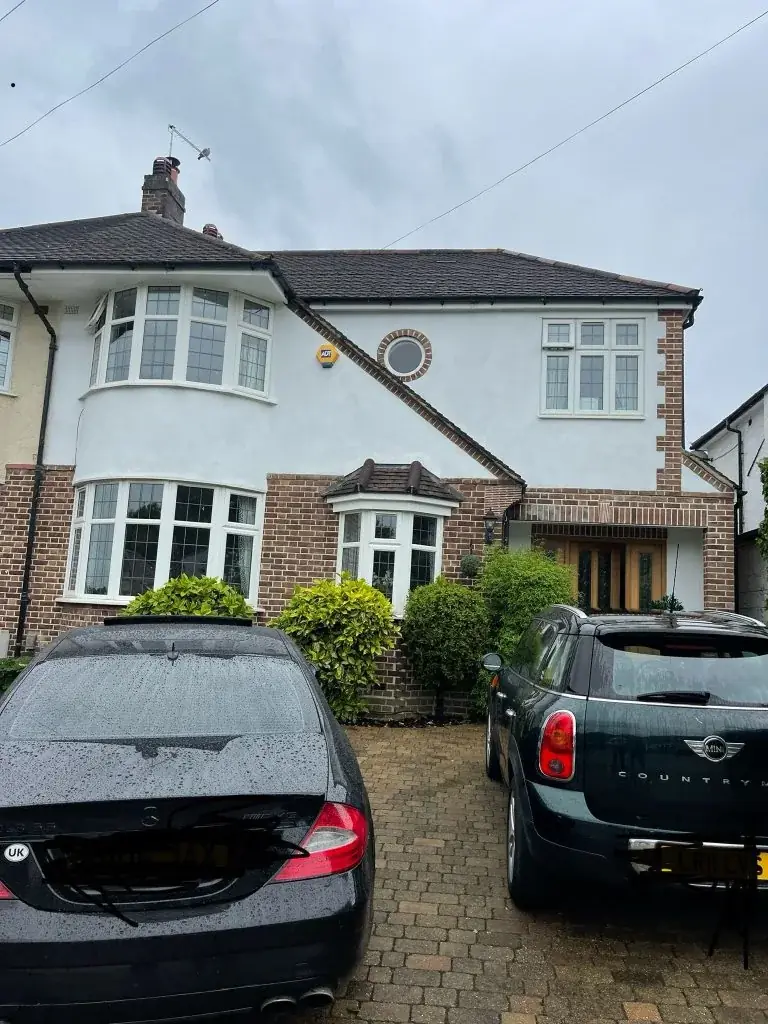
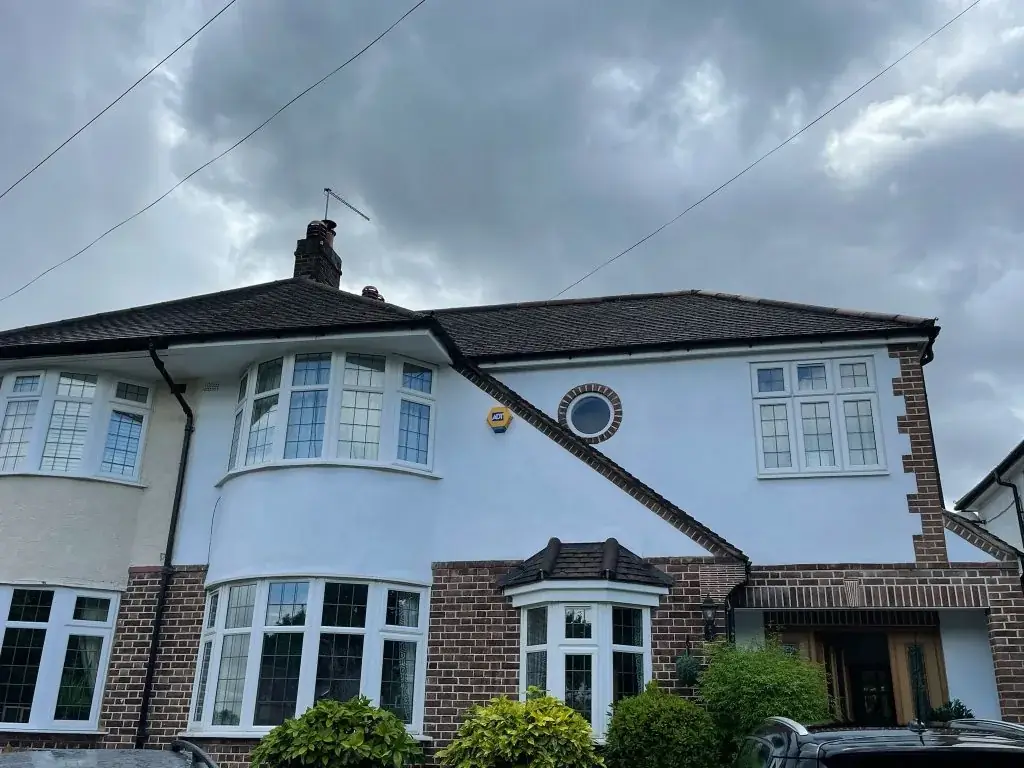
Rendering is only as reliable as its weakest edge. Openings, roof abutments and adjoining materials all need to be considered so the finish does not fail where it meets other parts of the building. That detail work is often what separates a neat result from one that cracks early.
The scope should also explain whether removal of failed render is part of the work or whether the repair is intended to go over a stable background. That distinction affects both preparation and the final appearance, so it should be agreed before work starts.
Design checks
Four things we confirm before drawing external rendering.
- 01Assess the wall background before choosing a render system.
- 02Decide whether failed render will be removed or repaired in place.
- 03Check edges, openings and roof junctions in the scope.
- 04Confirm the finish matches the building and exposure conditions.
How do I know if render repair is enough or whether replacement is needed?
If the failure is local and the rest of the wall is sound, repair may be sufficient. If the render is hollow, widespread or poorly bonded, a fuller replacement approach is often more reliable.
Why are junctions so important on a rendered wall?
Because cracks and water entry often begin where different materials meet. Good detailing around edges and openings helps the finish cope with movement and weather exposure.
Should the existing finish always be removed before new render is applied?
Not always. That depends on whether the background is stable and compatible. The decision should be based on the wall’s condition rather than a one-size-fits-all rule.
Planning and project guidance
- Find out if you need planning permission | London Borough of Sutton
- GOV.UK · Planning permission
- GOV.UK · Building regulations approval
- GOV.UK · Party walls and building work
Check the current guidance for your address before relying on a planning route. This guide is not a planning decision or a verified local case study.
Other services in Sutton








