
Wandsworth · South London
Gardensin Tooting.
A garden works best when it feels connected to the house and practical to use. The main decisions are not only about planting or paving, but about levels, movement, drainage and how the outside space will support everyday life.
- Service
- Gardens
- Neighbourhood
- Tooting
- Borough
- Wandsworth
- Next step
- Discuss your project
Your project brief
Design the garden around how the space will be used
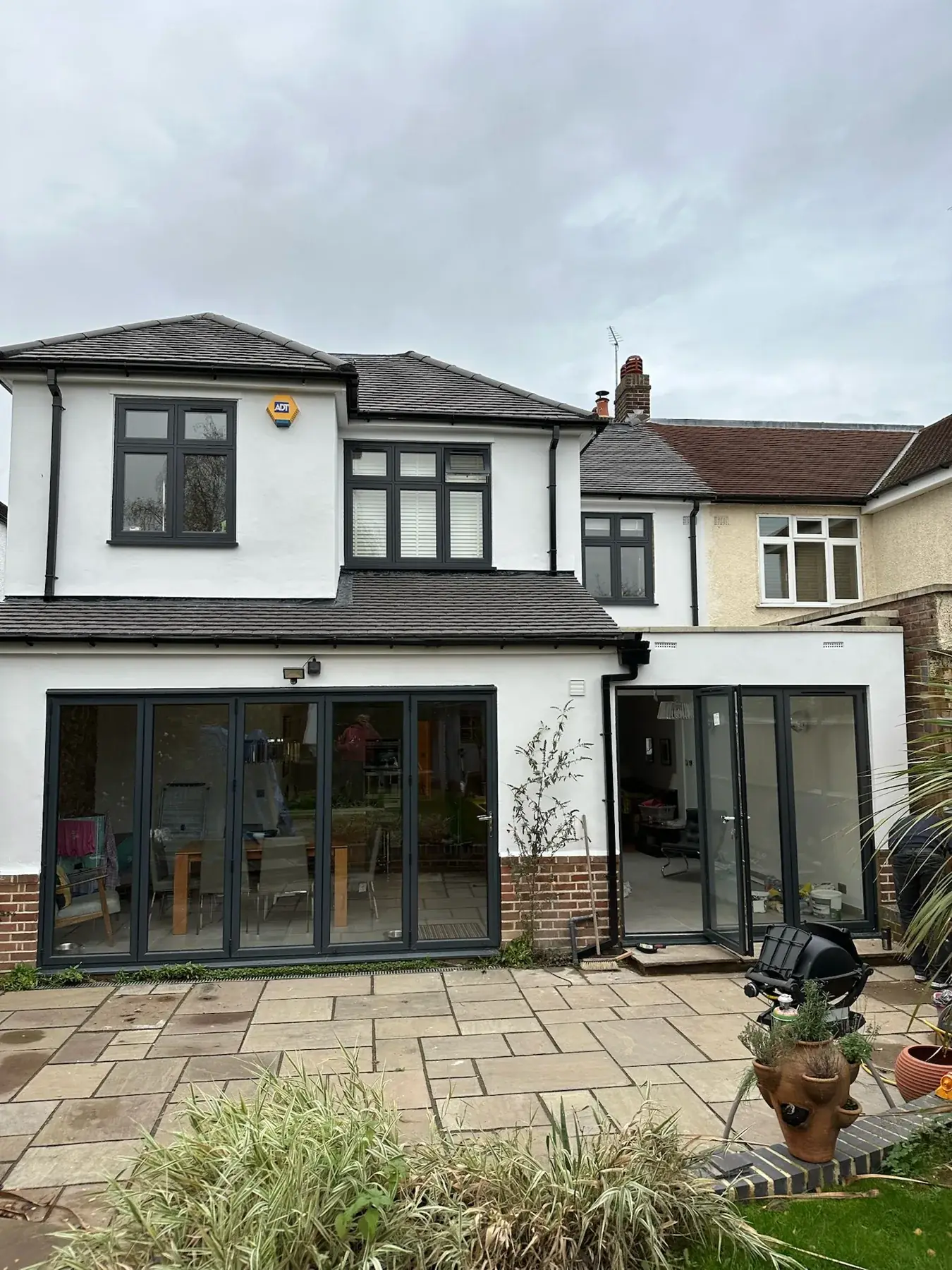
If the garden is meant for sitting, children’s play, dining or easier maintenance, the surface treatment should reflect that. Hard landscaping, planting and lawn areas all have different upkeep and different strengths, so the design should follow the intended use rather than copy a generic garden layout.
It also helps to think about how the house opens onto the garden. A route that feels simple from the kitchen or living room often makes the whole property more usable. That can mean keeping the design restrained and avoiding unnecessary steps, level changes or awkward corners that interrupt movement.
Wandsworth checks before altering outdoor space
Wandsworth’s conservation area appraisals are a borough planning reference for conservation areas, and they help guide decisions on maintaining character. That is relevant only if your exact Tooting property is affected, which must be checked address by address. External garden work is not automatically restricted, but if the job changes visible boundaries or sits beside a sensitive elevation, confirm the site position against the council maps first.
Design decisions
Check levels, drainage and ownership before choosing materials
Garden work needs more than a visual brief. Existing levels, surface-water behaviour and the condition of boundary features should be reviewed early, because the wrong surface or height change can create nuisance later. The question is not just what looks neat, but what will continue to perform well after rain and regular use.
Access also matters for materials and construction. If the garden is difficult to reach, the programme and the storage plan should reflect that. Clear ownership and boundary understanding are equally important before fences, gates or edge treatments are fixed, so the design does not create disputes after the work is done.
Design checks
Four things we confirm before drawing garden improvements.
- 01Check how the garden will be used before choosing hard or soft landscaping.
- 02Review levels and surface-water movement with the design.
- 03Confirm access, ownership and boundary positions before fixing edges.
- 04Plan where materials can be stored without blocking the home or route.
Why does garden design need to start with use rather than materials?
Because materials should support the way the space will be used. A family dining area, for example, needs a different surface and circulation pattern from a low-maintenance planting scheme.
Do garden works always need drainage changes?
Not always, but levels and surfaces can affect where water goes. It is sensible to check whether the proposed work will redirect runoff or create pooling before the final design is set.
What should be agreed before fencing or gates are installed?
The boundary line, access needs and the intended use of the opening. That reduces the risk of placing new features where they later interfere with movement or ownership arrangements.
Planning and project guidance
- Conservation area appraisals - Wandsworth Borough Council
- GOV.UK · Planning permission
- GOV.UK · Building regulations approval
- GOV.UK · Party walls and building work
Check the current guidance for your address before relying on a planning route. This guide is not a planning decision or a verified local case study.
Other services in Tooting








