
Havering · East London
Renderingin Upminster.
Rendering changes the external appearance of a wall, but it only works if the system suits the wall beneath it. A useful quote explains the existing finish, the condition of the background and the areas where junctions or repairs need special attention.
- Service
- Rendering
- Neighbourhood
- Upminster
- Borough
- Havering
- Next step
- Discuss your project
Your project brief
Assess the wall before you settle the render system
The wall’s condition should drive the choice of render, not the other way round. If the existing finish is failing, the substrate is unstable or the wall has incompatible details, the job may need repair or removal before new material is applied. A quick-looking quote that skips this step can be misleading.
The scope should also identify what is being prepared and what is being kept. Openings, roof edges and adjoining materials often govern how neatly the render can be finished. Without that detail, the price may cover only the flat area while leaving the more complex junctions undefined.
Upminster local checks for render work
In Upminster, check the exact address against Havering’s planning and heritage pages if the render forms part of an external change that could fall within a sensitive setting. Havering’s conservation-area guidance and Article 4 information show that special controls exist in some places, but they do not prove the same position for every property. A site check is still required.
Design decisions
Keep external appearance and technical performance aligned
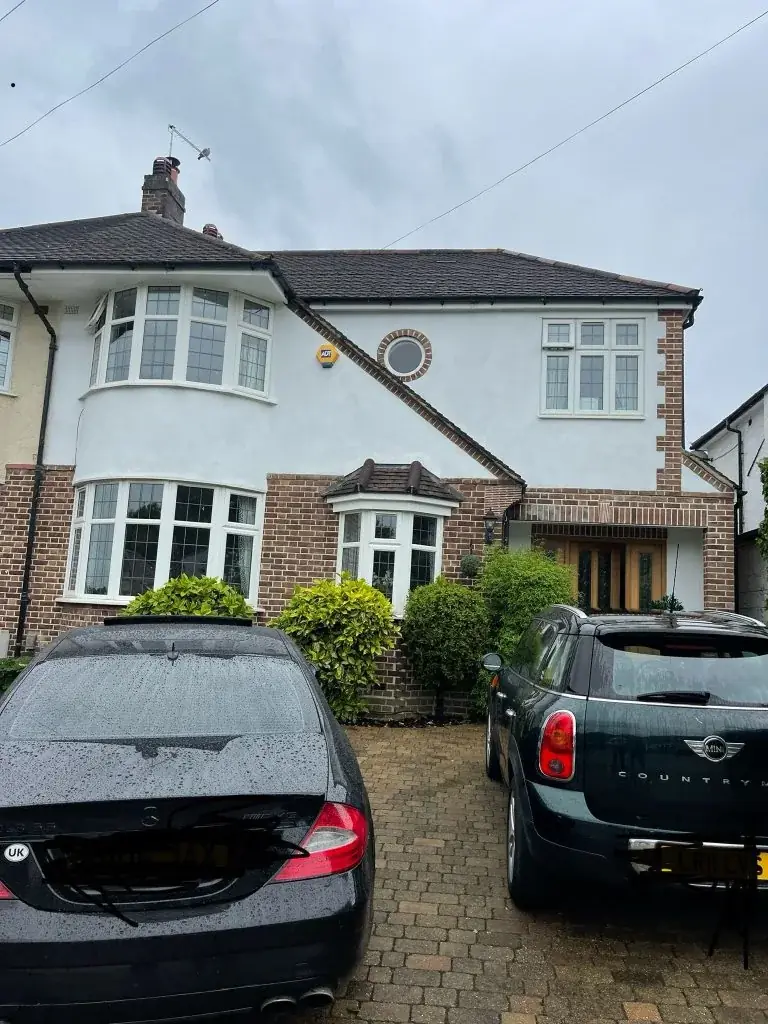
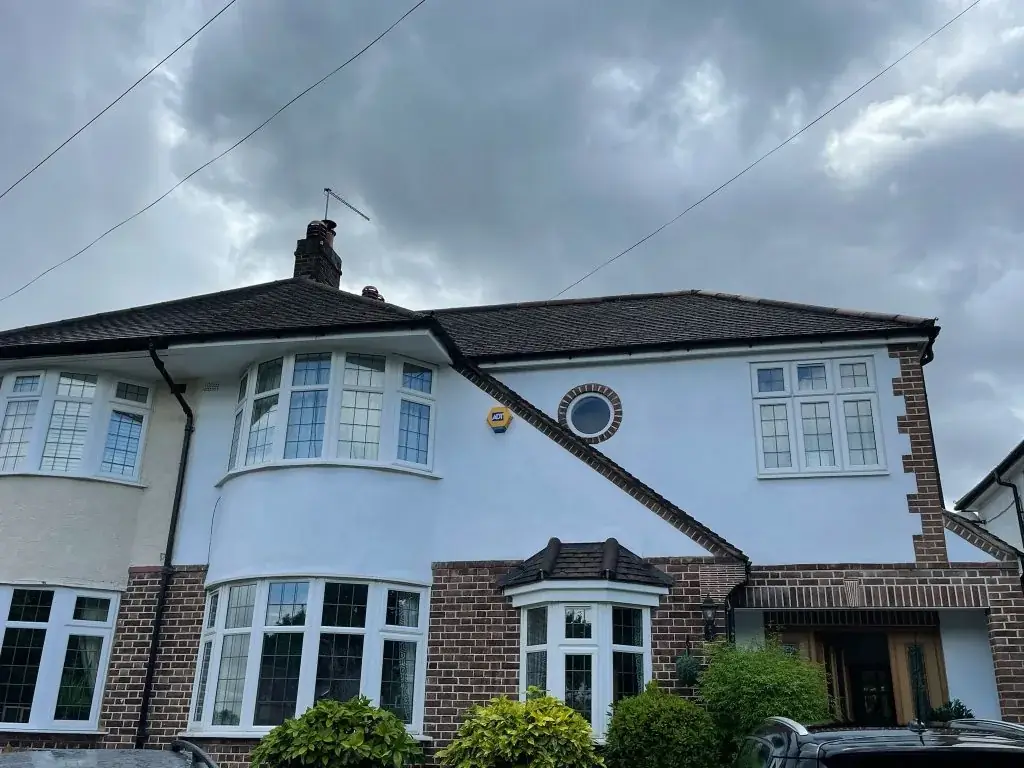
Rendering is not only about the finish colour or texture. The material must suit the wall construction, exposure and details around the building. If those factors are not considered together, the render may crack, look uneven or fail to integrate with the rest of the elevation.
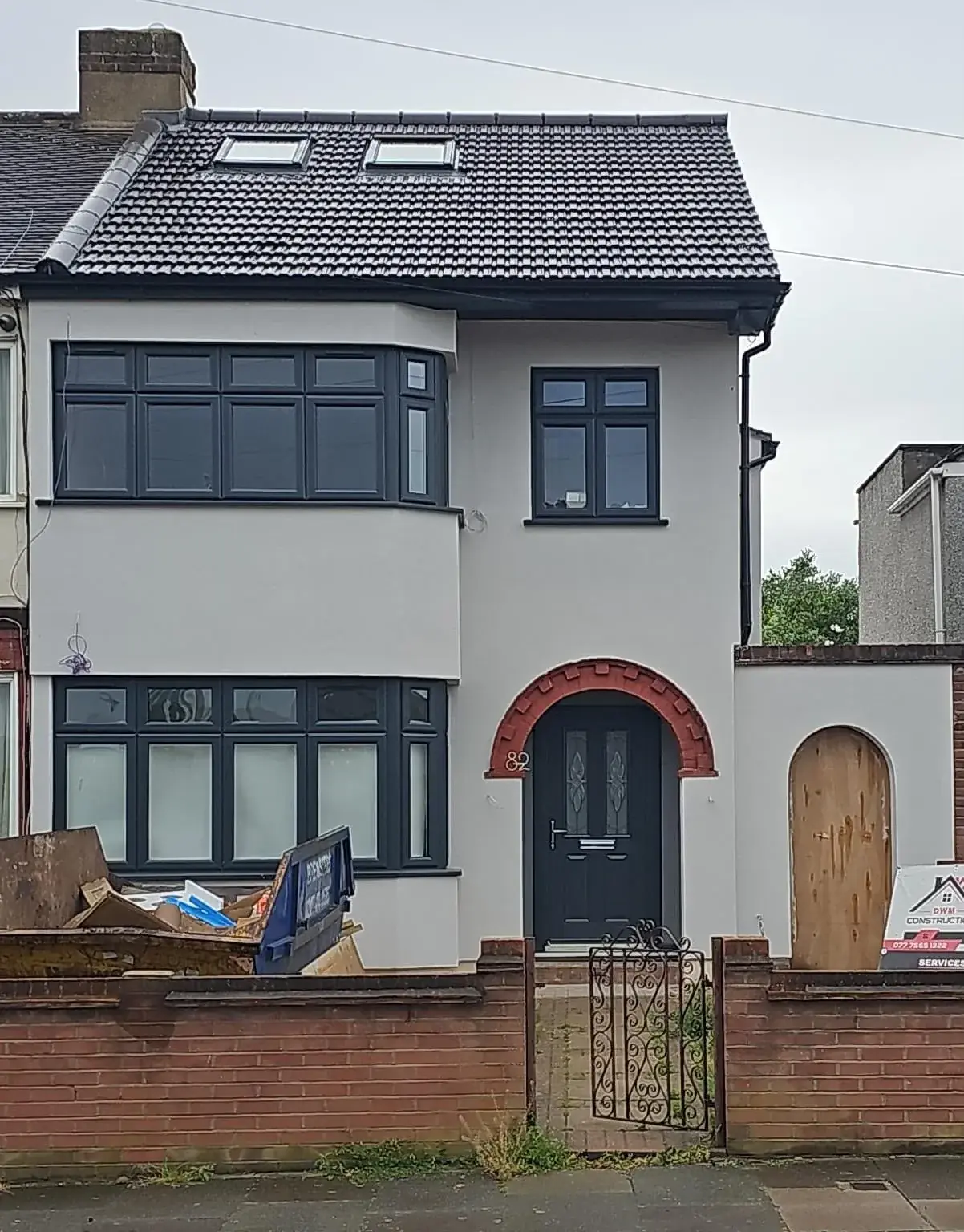
For example, if a possible brief is to improve one external wall as part of a wider refurbishment, the scope should say whether existing render is being removed, repaired or overlaid, and how the surrounding openings will be treated. That stops the external work being designed as a cosmetic layer only.
Design checks
Four things we confirm before drawing external rendering.
- 01Assess the existing wall and finish before choosing a render system.
- 02Confirm whether the job is repair, removal or new application.
- 03Include junctions around openings, edges and adjoining materials in the scope.
- 04Check whether any external changes need a site-specific planning review.
Questions
Before you call about Upminster.
How do I know if render should be repaired or replaced?
That depends on the condition of the existing surface and whether the background is stable. If the wall is failing or incompatible with the new finish, repair alone may not be enough and a fuller intervention may be needed.
Why do junctions matter so much in rendering?
Because cracks and weak points often appear where materials meet, such as around openings or roof edges. If those areas are not planned carefully, the render can fail even if the main wall area looks sound.
Does rendering automatically need planning permission?
Not automatically. The need for consent depends on the site, the extent of the change and whether any local controls apply. The exact address must be checked, especially where heritage-related constraints may be relevant.
Planning and project guidance
- Conservation areas | Heritage | London Borough of Havering
- GOV.UK · Planning permission
- GOV.UK · Building regulations approval
- GOV.UK · Party walls and building work
Check the current guidance for your address before relying on a planning route. This guide is not a planning decision or a verified local case study.
Other services in Upminster








