
Lambeth · South London
Renderingin Vauxhall.
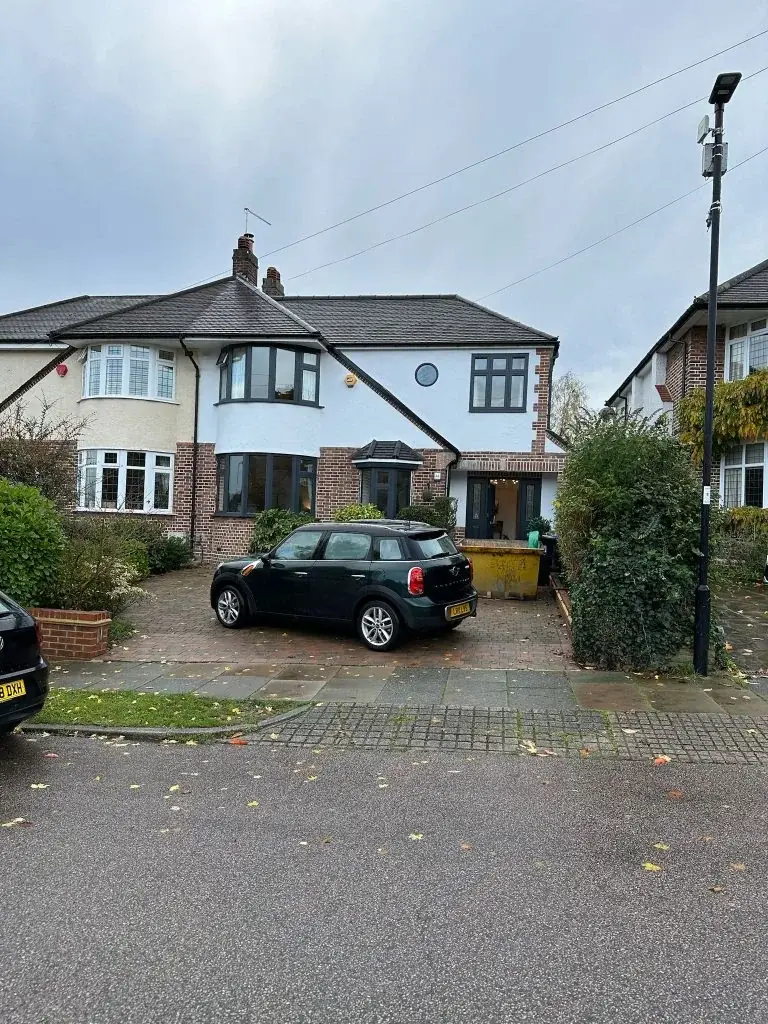
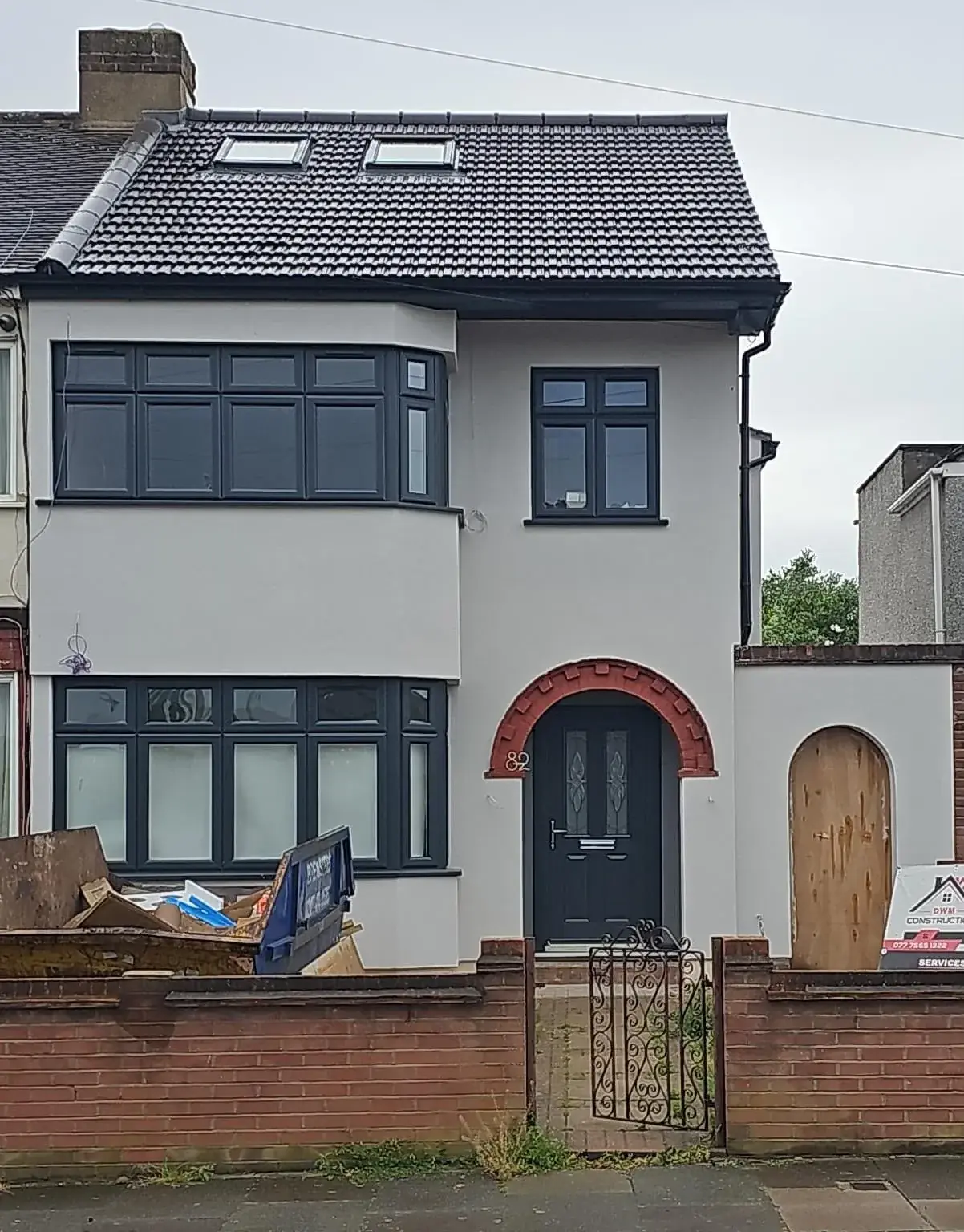
Rendering changes the appearance and weather response of an external wall, so the finish has to suit the construction underneath it. The best decision depends on what is already there, how sound the background is and what details need to be kept or adjusted at the edges.
- Service
- Rendering
- Neighbourhood
- Vauxhall
- Borough
- Lambeth
- Next step
- Discuss your project
Your project brief
Check the wall before selecting the render system
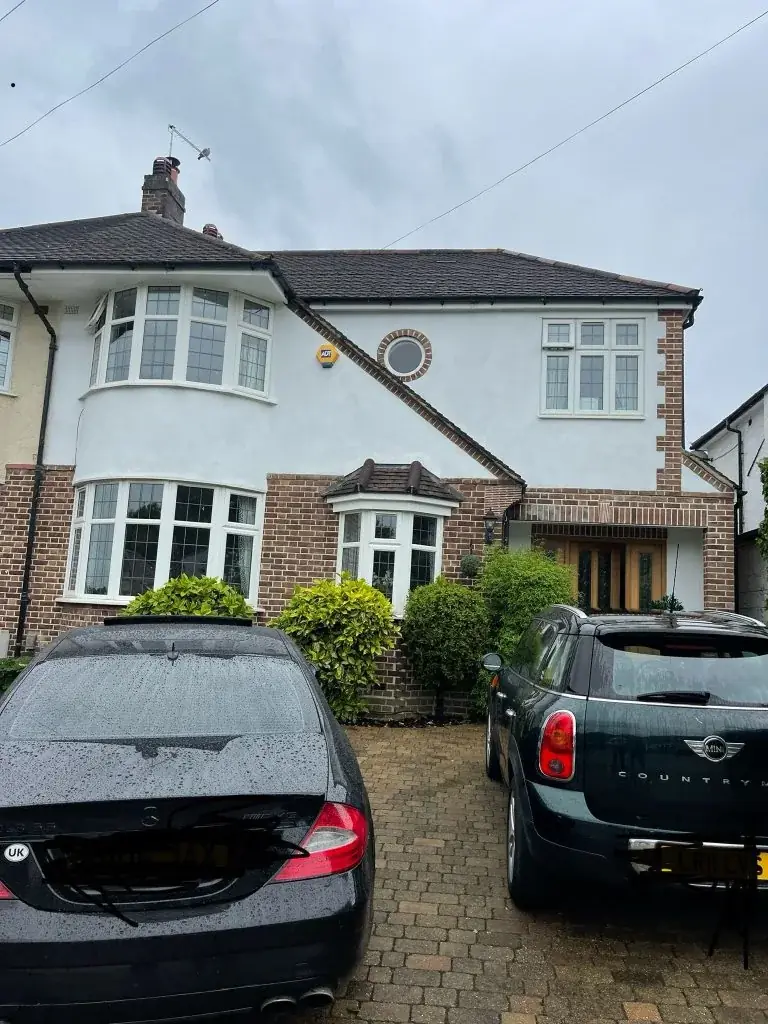
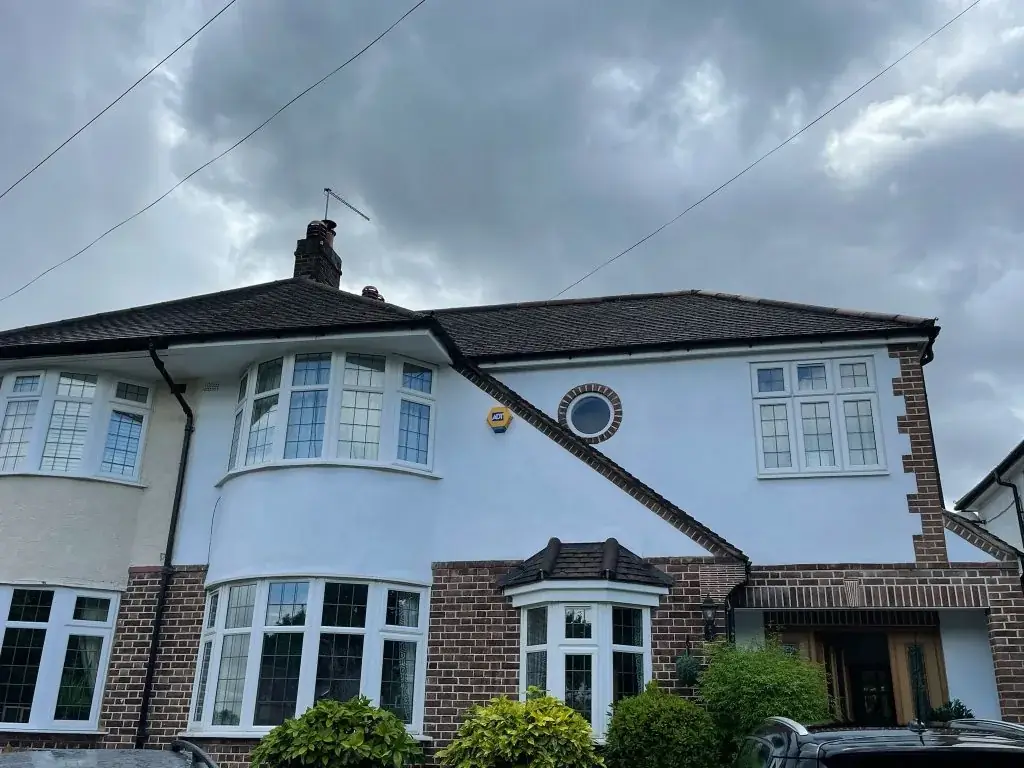
Not every wall needs the same treatment. The existing finish, the state of the substrate and any previous patching all influence whether the job is repair, renewal or a fuller render application. That assessment should happen before the final finish is chosen.
If a section is failing locally, it may be better to remove only what is needed and make the background sound again, rather than covering over a poor base. The scope should set out how much preparation is expected and what condition the wall must reach before rendering starts.
Property-specific checks in Lambeth
Lambeth’s conservation-area guidance says the exact property must be checked if a sensitive designation might affect the work. For rendering in Vauxhall, that matters most where the wall is visible from the street or sits within a wider external alteration. Use the council’s property search to verify the address rather than assuming the borough name settles the issue.
Design decisions
Pay attention to junctions and visible edges
Render performance often depends on the hard-to-see joins: around windows, at roof edges and where one material meets another. Those junctions should be part of the design, not a late adjustment after the finish has already been agreed.
For example, a possible brief might repair a cracked area while keeping the surrounding wall intact and coordinating the edge details with nearby openings. That keeps the work proportionate and avoids turning a targeted repair into unnecessary wider disturbance.
Design checks
Four things we confirm before drawing external rendering.
- 01Assess the wall background and existing finish before specifying render.
- 02Define how failed areas will be removed or repaired.
- 03Include openings, roof edges and adjoining materials in the scope.
- 04Check whether visible external changes need address-specific review.
Does rendering always mean the whole wall has to be replaced?
No. If the wall is mostly sound, a targeted repair may be the better answer. The choice should follow the actual condition of the background, not a default assumption.
Why are junctions so important in rendering work?
Because they are where movement, water and different materials meet. Good detailing there helps the finish last and keeps the exterior looking tidy.
Should render work be planned with access in mind?
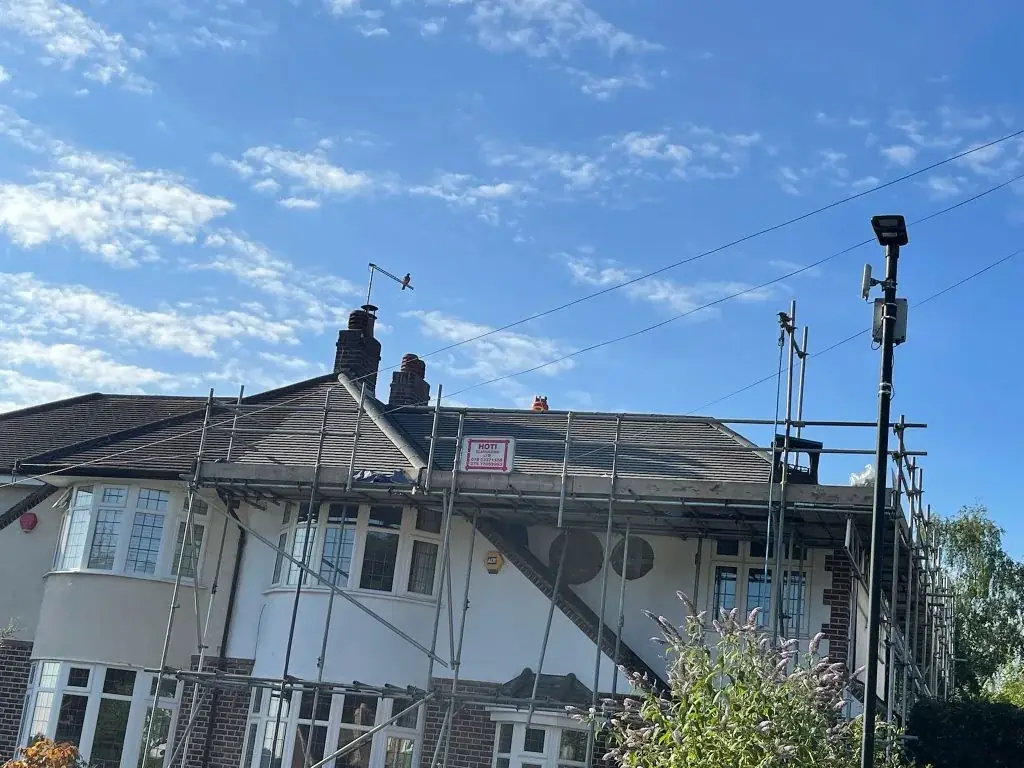
Yes. External wall work needs safe access and a clear way to complete the edges properly. Access can affect both the method and the finish, so it should be agreed early.
Planning and project guidance
- Conservation area profiles | Lambeth Council
- GOV.UK · Planning permission
- GOV.UK · Building regulations approval
- GOV.UK · Party walls and building work
Check the current guidance for your address before relying on a planning route. This guide is not a planning decision or a verified local case study.
Other services in Vauxhall








