
Haringey · North London
House renovationin Wood Green.
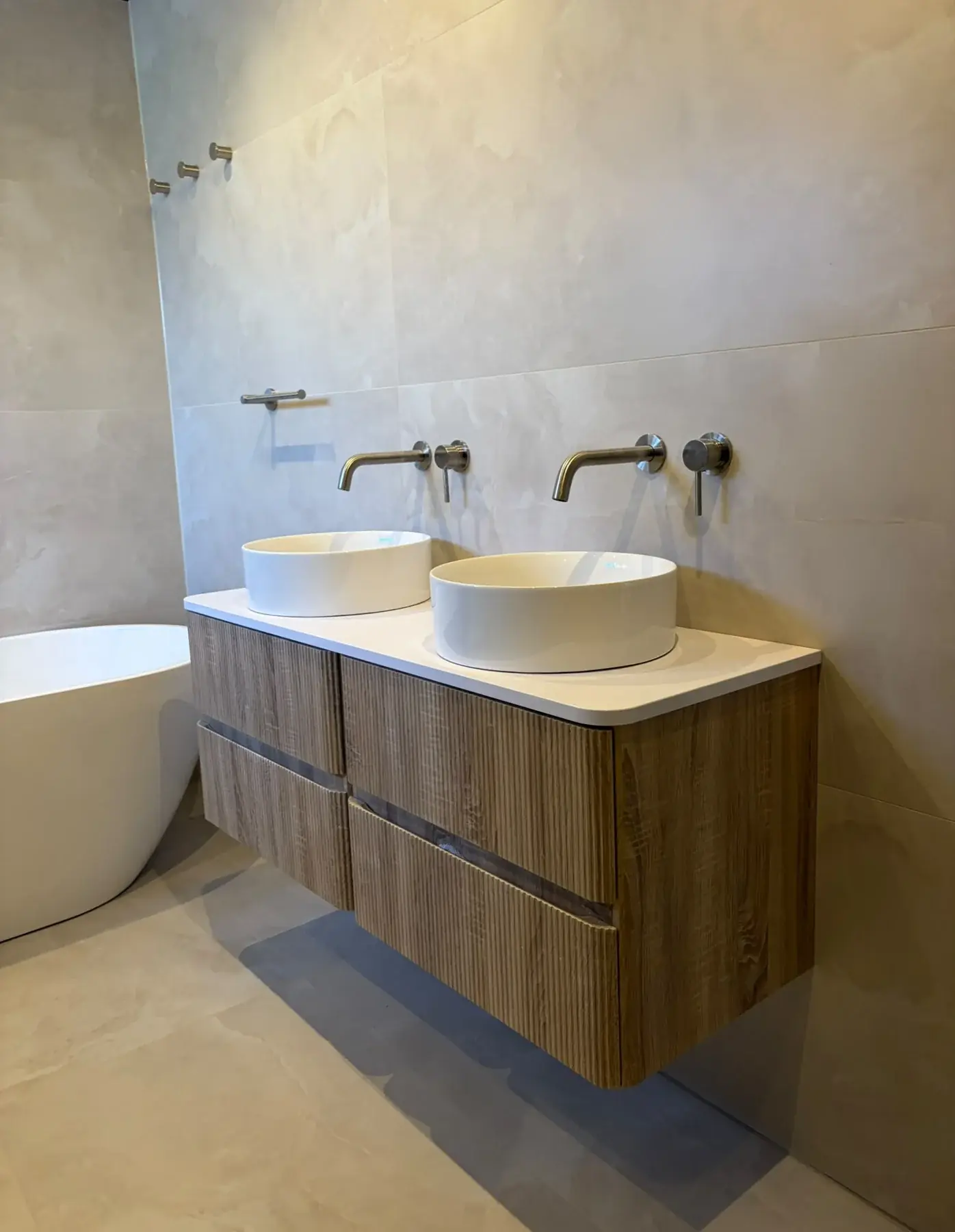
A good renovation brief starts with what must change first and what can wait. For a Wood Green home, that usually means checking the building’s condition, deciding which trades depend on others, and setting out a phased plan so structural, service and finishing work do not clash.
- Service
- House renovation
- Neighbourhood
- Wood Green
- Borough
- Haringey
- Next step
- Discuss your project
Your project brief
Set the order before choosing finishes
Renovation works often fail when decorative choices are fixed before the building has been properly assessed. If walls are moving, floors are being altered or services need rerouting, those decisions should come first because they affect space, access and the final room layout.
A sensible brief separates essential investigations, structural work, service upgrades and cosmetic completion. That makes it easier to price the job clearly, protects completed surfaces from avoidable damage and reduces the risk of reworking a room after the main build is finished.
Wood Green local checks before you commit to the scope
Use Haringey’s planning evidence as a starting point, but check the exact address rather than assuming the whole neighbourhood is affected. The council states that Article 4 Directions apply in some conservation areas, including Noel Park, Peabody Cottages, Rookfield Estate and Tower Gardens, with restrictions that can affect changes such as windows and doors. That is not the same as saying your home is included, so the site should be checked on its own facts.
Design decisions
Do not design isolated items on their own
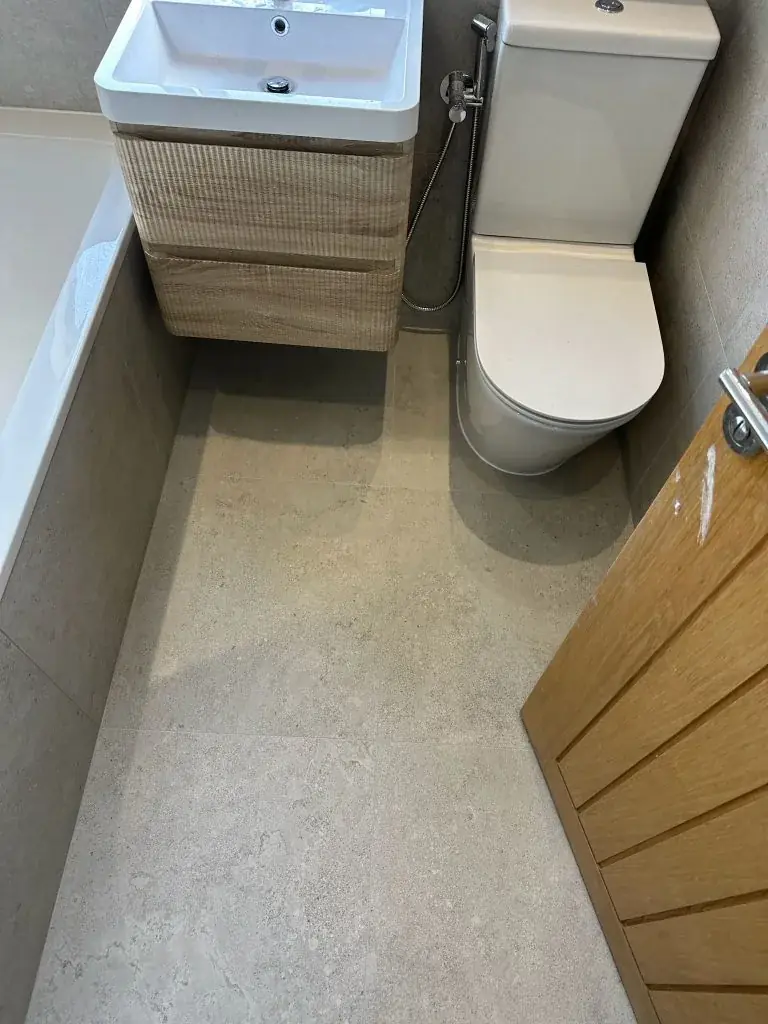
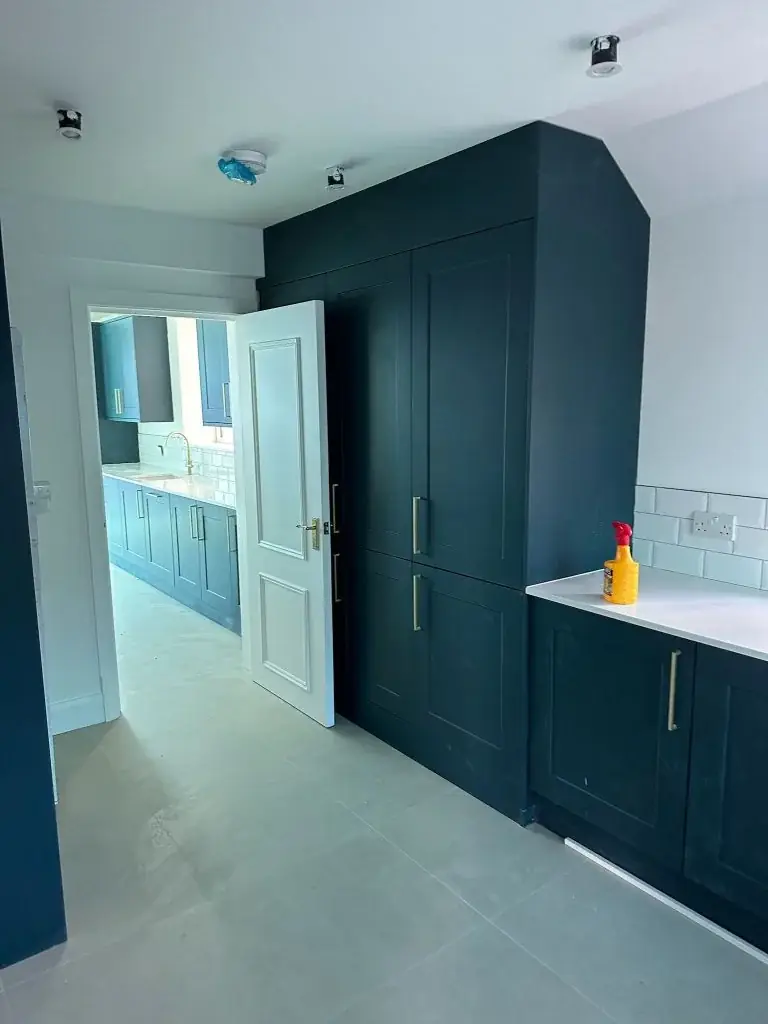
A kitchen, bathroom, new storage or a revised layout should be considered in relation to the rest of the property. For example, a possible brief might involve opening one room, improving heating routes and then deciding where lighting, decoration and joinery should sit once the new layout is known.
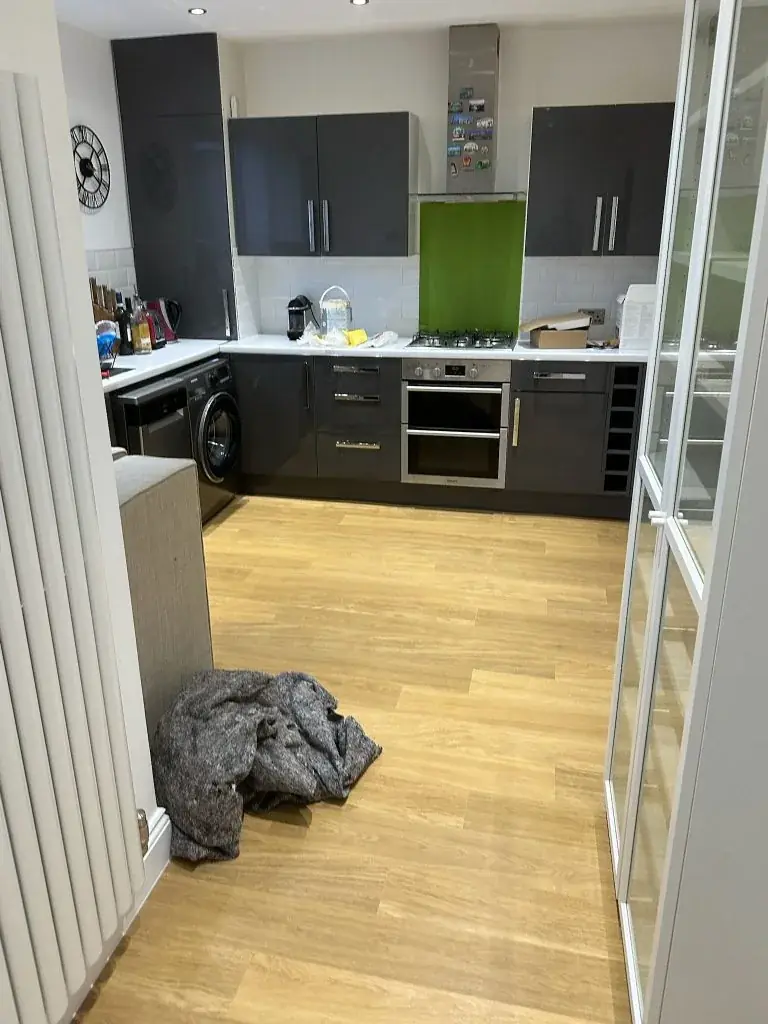
It also helps to define what is excluded: temporary protection, waste removal, making good and final decoration can all be treated as separate stages. That keeps the renovation manageable and avoids the common problem of a nice finish hiding unresolved defects behind it.
Design checks
Four things we confirm before drawing a house renovation.
- 01Record existing defects and previous alterations before design starts.
- 02Separate structural changes, service upgrades and decorative work.
- 03Discuss occupancy, safe access and essential services during work.
- 04Agree investigation, approvals, exclusions and handover records in the written scope.



Questions
Before you call about Wood Green.
What should be resolved before a renovation layout is fixed?
The condition of the structure, the route of services and any access limits should be understood first. Those issues often shape room sizes, opening positions and the sequence of work more than the chosen finishes do.
How do phased renovations help a lived-in home?
They let you protect essential rooms, keep key services available where possible and finish one part properly before moving to the next. That usually reduces disruption and makes temporary arrangements easier to manage.
Why separate decoration from building work in the brief?
Decoration is best specified after the messy stages are complete, because cracks, patching and service chases can change the surface again. Separating it keeps the scope clearer and the finish more consistent.
Planning and project guidance
- Development in conservation areas | Haringey Council
- GOV.UK · Planning permission
- GOV.UK · Building regulations approval
- GOV.UK · Party walls and building work
Check the current guidance for your address before relying on a planning route. This guide is not a planning decision or a verified local case study.
Other services in Wood Green








