
Hounslow · West London
Plumbingin Brentford.
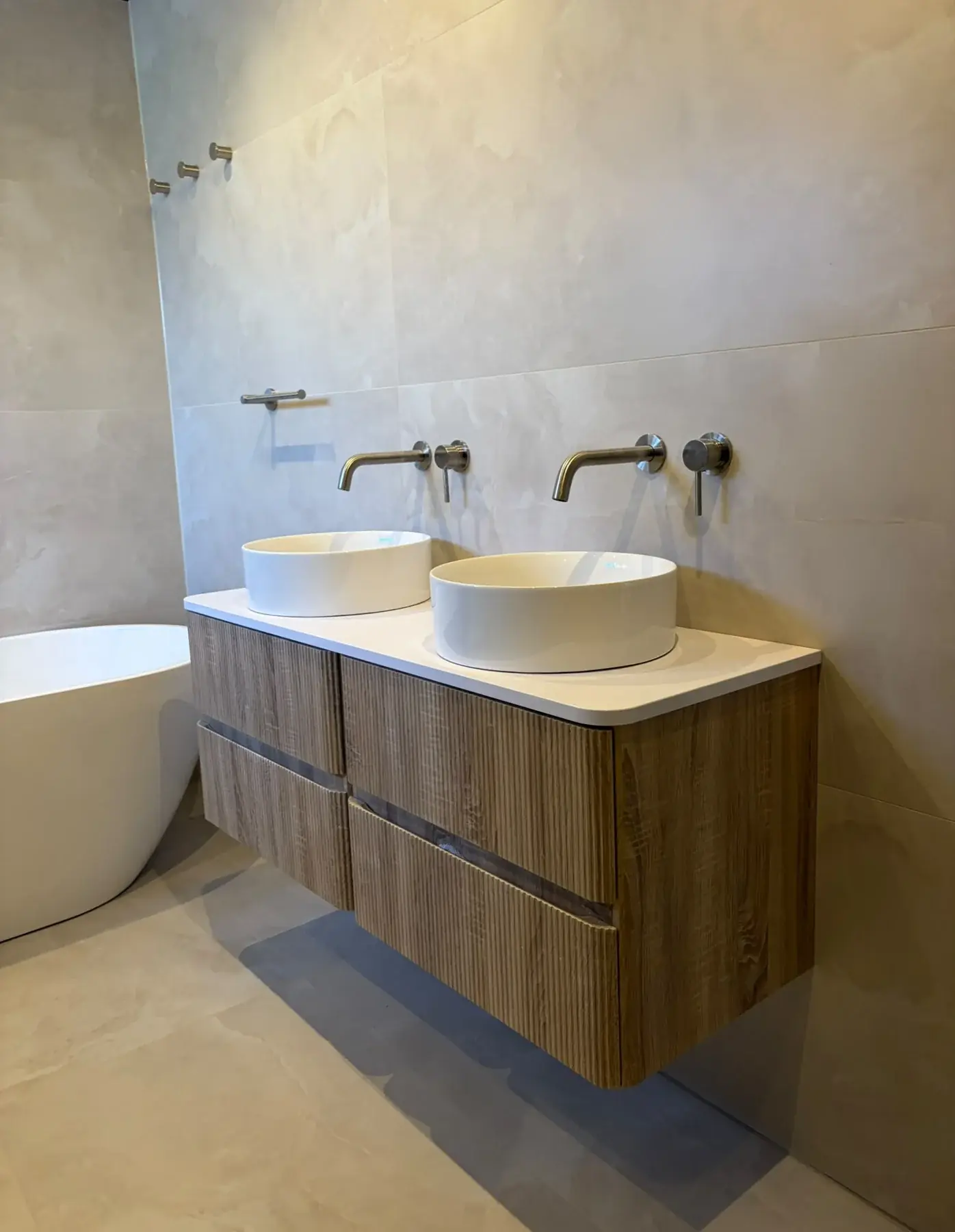
Plumbing becomes much easier to manage when the room layout is fixed early. Moving a sink, shower or appliance point affects pipes, drainage and access, so the sensible order is to decide the room use first, then the service routes, then the finishes that cover them.
- Service
- Plumbing
- Neighbourhood
- Brentford
- Borough
- Hounslow
- Next step
- Discuss your project
Your project brief
Plan the plumbing around the room layout, not the other way round
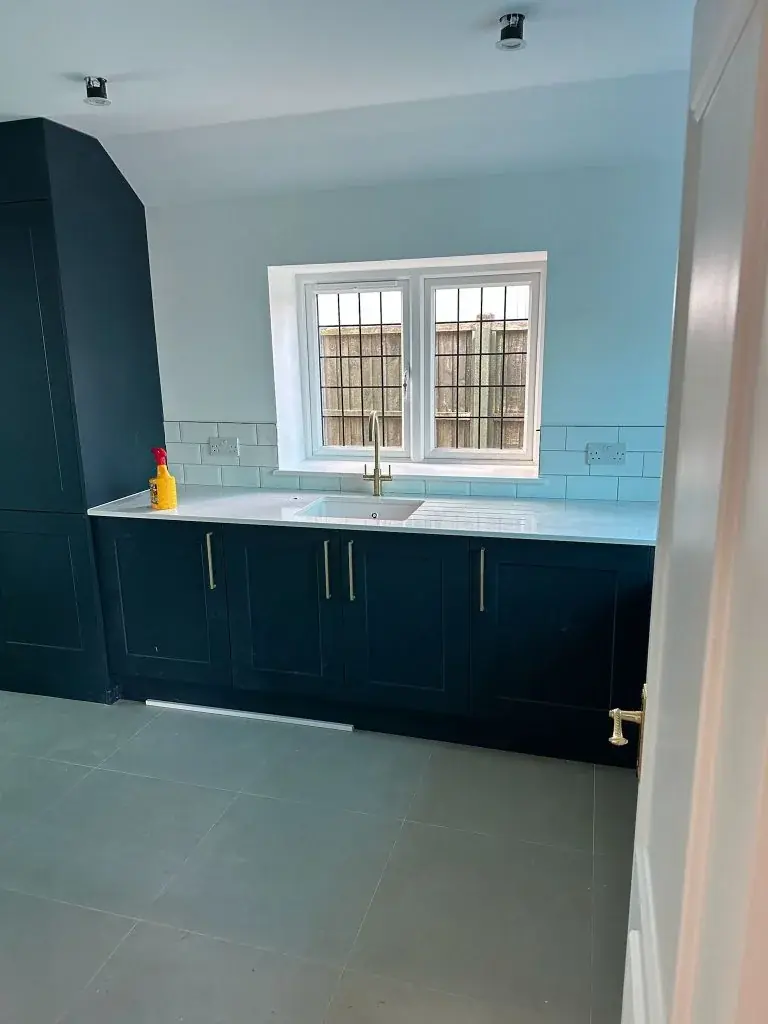
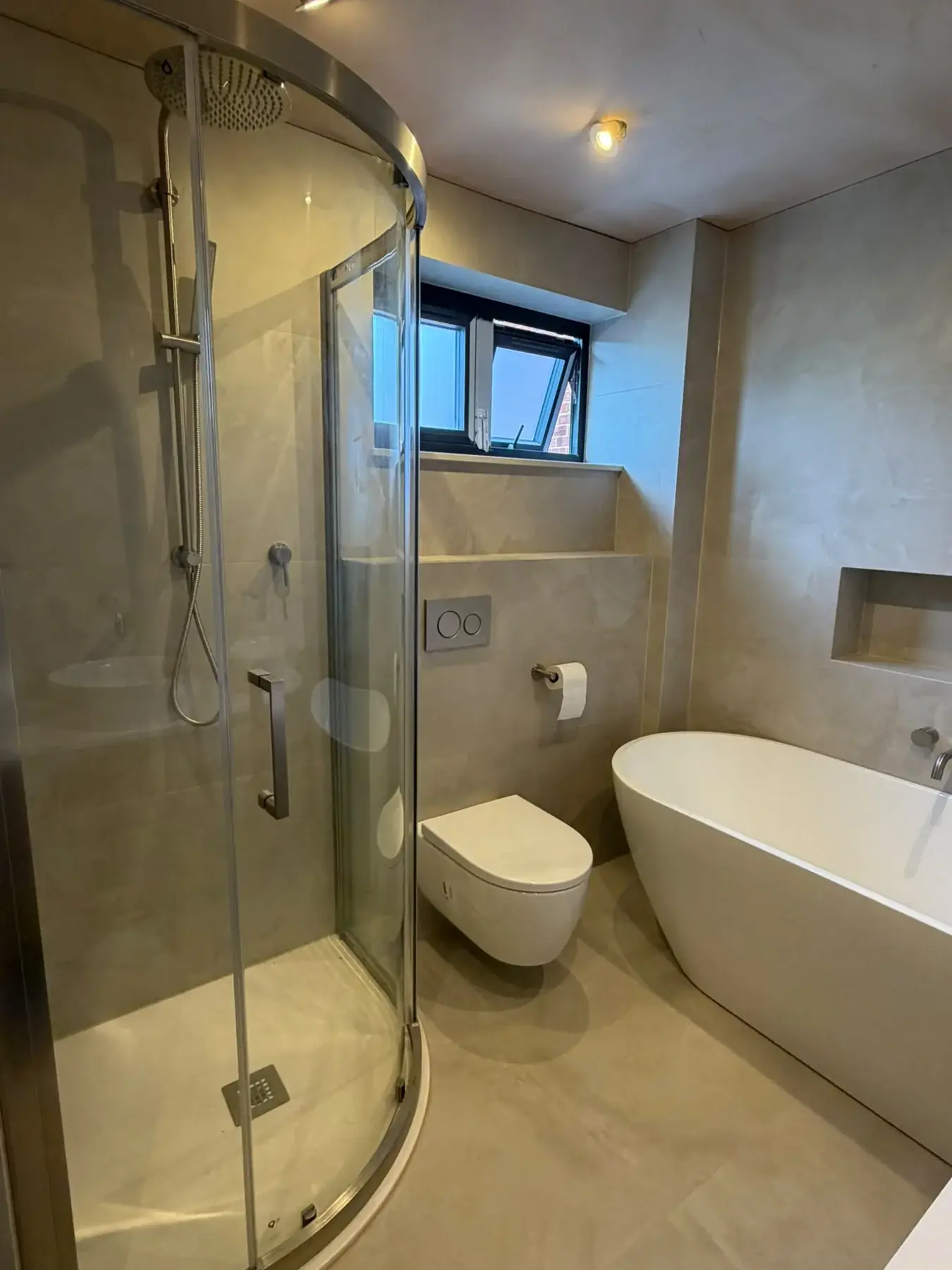
A kitchen or bathroom change should start with how the room will work day to day. Once the positions of the sink, bath, shower or appliances are clear, the pipework and drainage routes can be judged against the available space. That helps avoid awkward pipe runs and late compromises.
If the brief is flexible, the layout can be kept restrained so the plumbing changes stay efficient. For example, if a family wants improved storage and a better washing-up area, it may be wiser to refine the existing positions rather than move every fitting and force a bigger rebuild.
Brentford checks before plumbing alterations are signed off
Hounslow Council’s conservation guidance matters if the wider project changes the external appearance, but plumbing itself is mainly about the layout, the existing condition and the right sequence of work. The exact property still has to be checked, because borough-wide information does not define every address. Planning, building-control and any other consents should be clear before walls are closed or finishes are fixed.
Design decisions
Treat first-fix, second-fix and access as separate decisions
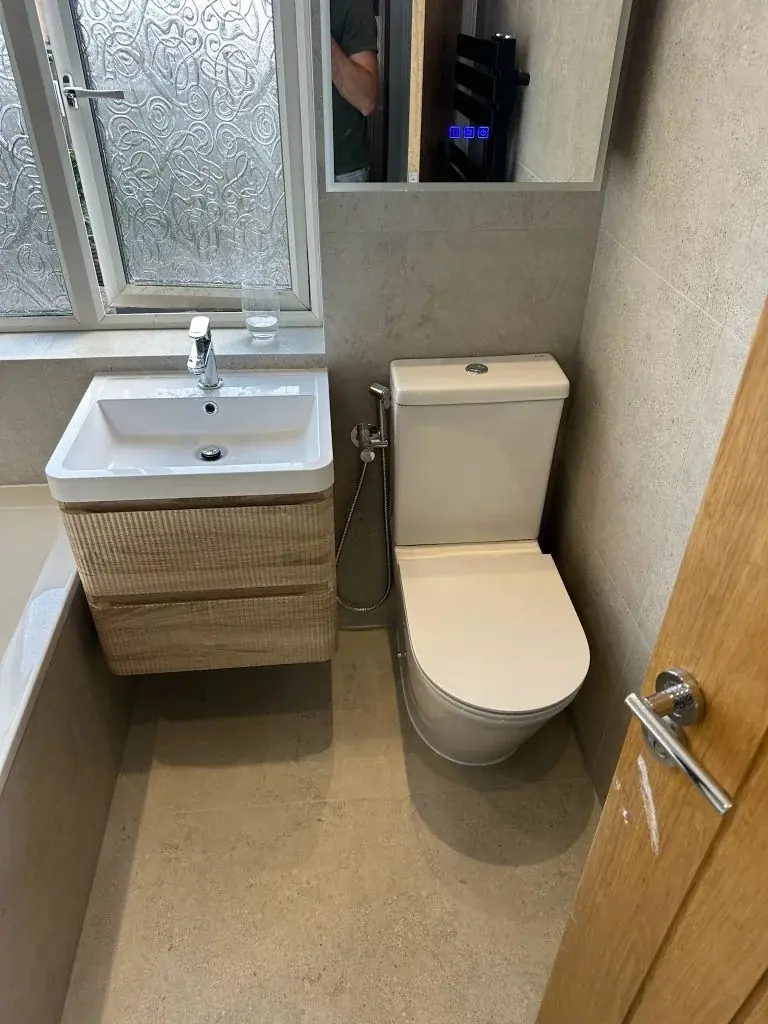
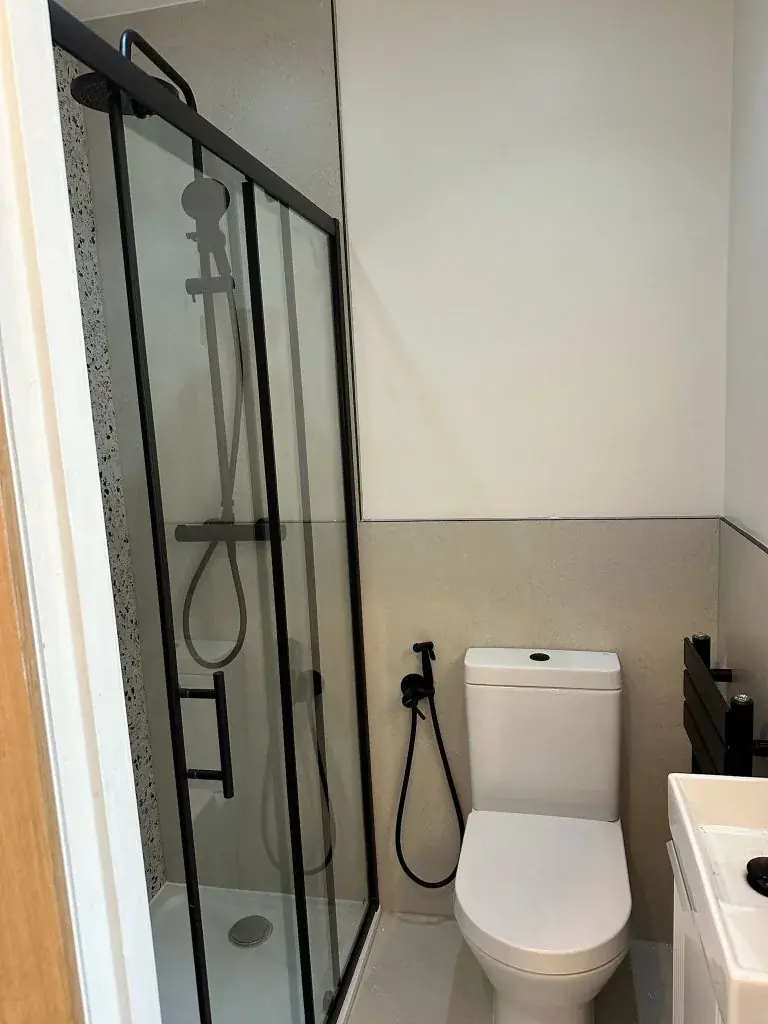
First-fix plumbing is about getting the routes in place before surfaces are closed. Second-fix is the visible fit-out: the sanitaryware, taps and final connections. Keeping those stages distinct helps the project stay orderly and makes it easier to coordinate with plastering, tiling and joinery.
It is also important to think about access to existing pipework and any issues discovered along the way. If a problem is hidden in the structure or behind a finished surface, the agreed scope should say how far the investigation goes so that the job does not drift beyond what was planned.
Design checks
Four things we confirm before drawing plumbing work.
- 01Set the fitting positions before deciding the pipe routes and drainage changes.
- 02Confirm whether the job is first-fix, second-fix or both.
- 03Check how existing pipework can be accessed if an issue needs investigation.
- 04Include the plumbing changes in the written scope alongside other trades.
Why is plumbing tied so closely to layout changes?
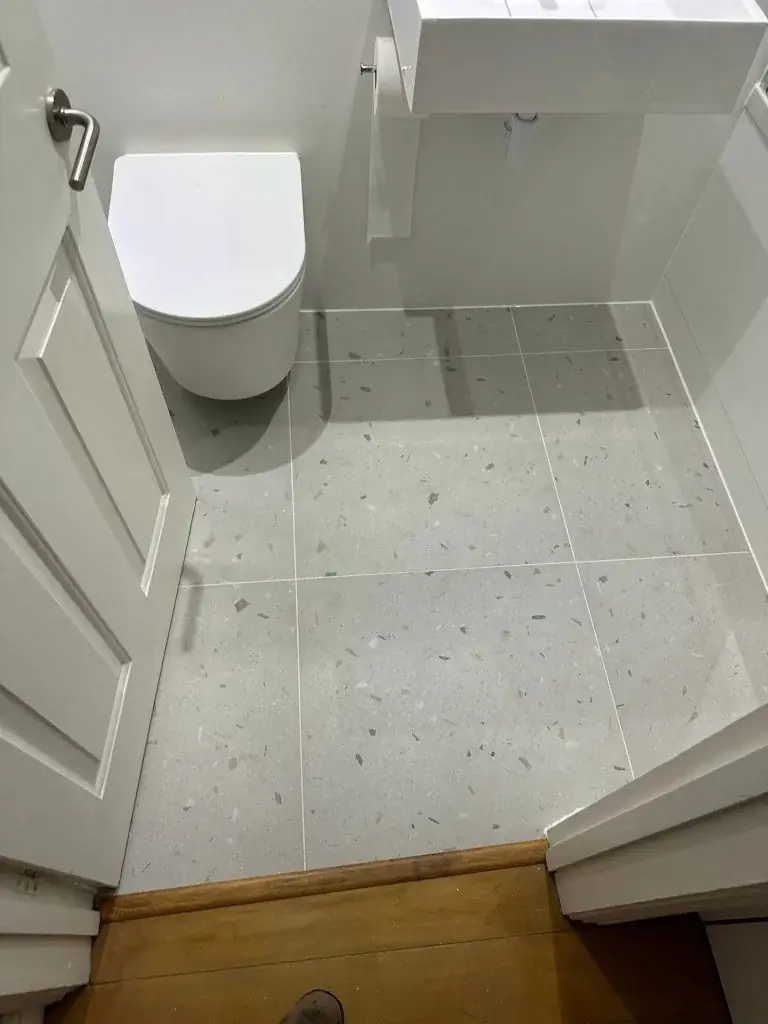
Because every moved fitting affects the hidden service routes. The more the layout changes, the more likely it is that pipework, drainage and access details will need redesigning too.
Should plumbing be agreed before tiling or decorating?
Yes, because the plumbing work sits underneath those finishes. Once routes and connections are settled, the room can be closed up with much less risk of reopening finished surfaces later.
What if an old pipework issue is found mid-project?
That issue should be checked against the agreed scope before any extra work proceeds. It is better to confirm what is actually being investigated than to assume every hidden problem is part of the original job.
Planning and project guidance
- Conservation areas FAQ | Design and conservation | London Borough of Hounslow
- GOV.UK · Planning permission
- GOV.UK · Building regulations approval
- GOV.UK · Party walls and building work
Check the current guidance for your address before relying on a planning route. This guide is not a planning decision or a verified local case study.
Other services in Brentford








