
Lambeth · South London
Doorsin Brixton.
A door only works well when it suits the opening and the room around it. The practical sequence is to check whether the existing frame can stay, measure clearances and decide on the door’s purpose before the unit is ordered or fitted.
- Service
- Doors
- Neighbourhood
- Brixton
- Borough
- Lambeth
- Next step
- Discuss your project
Your project brief
Start with the opening, not the door leaf
The first question is whether the existing frame, lining and opening are suitable. If the opening is out of square, too tight or altered by earlier work, the door choice may need to change. Measuring carefully at the start avoids ordering something that looks right but does not fit properly.
The door’s purpose matters too. An internal door, a door to a utility room or an external entrance all have different practical needs. Hardware, sealing, security and any performance requirements should be thought through before the joinery is fixed, not after installation.
Brixton checks before replacing or altering a door
If the door work forms part of an exterior change in Brixton, Lambeth’s planning database should be used to check the exact address rather than assuming the whole neighbourhood is affected. The council’s conservation-area information is a starting point only. For internal doors, the main decisions are the opening size, the surrounding finishes and whether the existing frame can sensibly be retained.
Design decisions
Coordinate door work with adjoining finishes
Door fitting often sits alongside plastering, decorating and flooring. That means the sequence should protect the final fit and avoid clashes with skirting, architraves and floor levels. If the surrounding finishes are not understood, even a good door can end up with poor clearances or awkward detailing.
Where a wider alteration involves opening changes, the door scope should be set with the relevant installation requirements in mind. That includes what making-good is needed around the frame and whether any specialist performance requirements apply to the intended use of the door.
Design checks
Four things we confirm before drawing door installation.
- 01Measure the opening carefully before choosing the replacement door.
- 02Decide whether the existing frame, lining and architraves can stay.
- 03Match hardware to the door’s intended use and location.
- 04Coordinate fitting with flooring, plaster and decoration details.

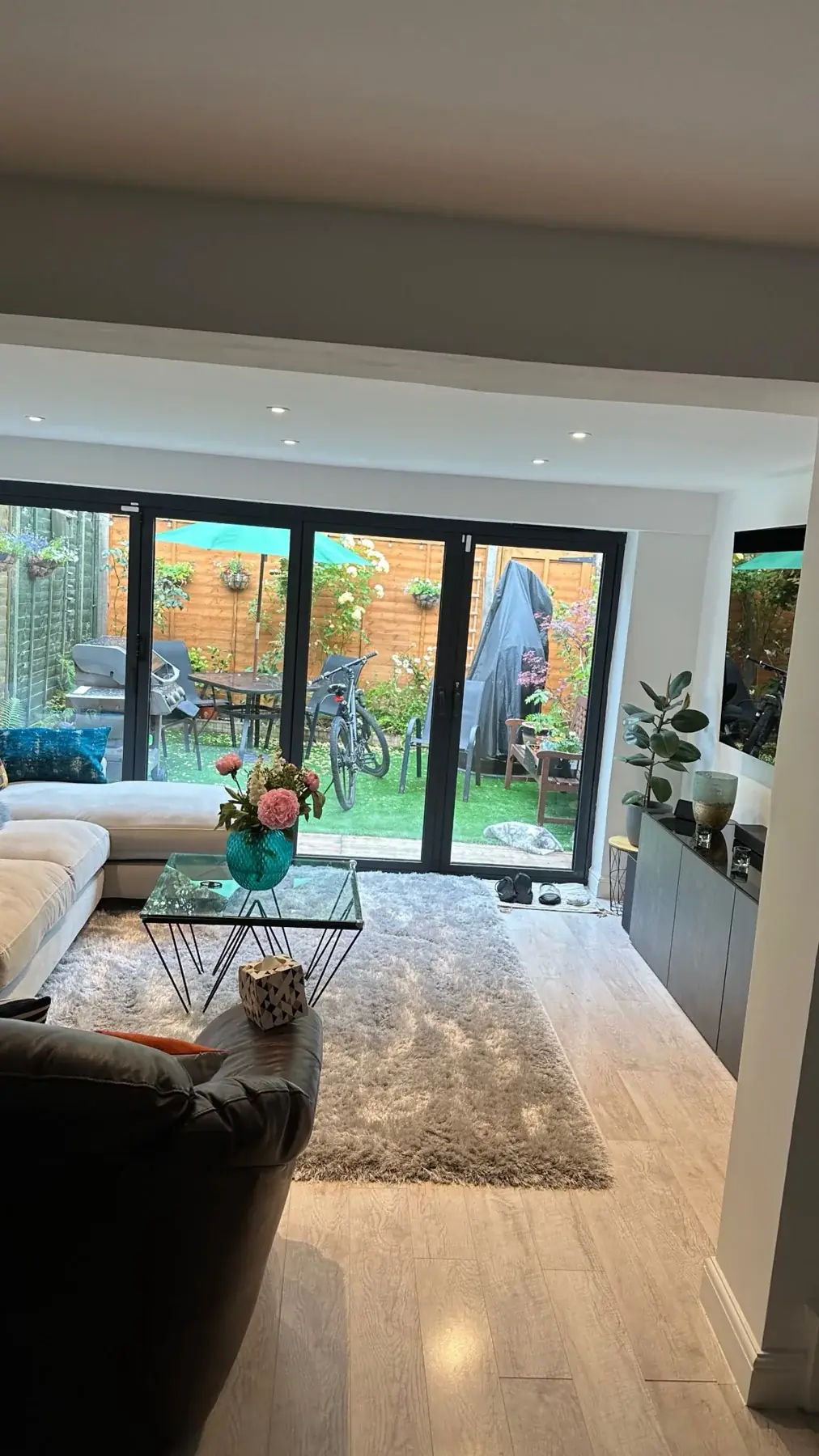
Should the frame be replaced with the door?
Only if the existing opening and frame are not suitable. If the frame is sound and the clearances work, retaining it can be more sensible than starting again.
Why does the door’s purpose matter so much?
Because different locations demand different performance, security and usability choices. A door in a busy family space is not specified in the same way as an external entrance or a utility room door.
What is the risk of fitting a door too early?
The surrounding finishes may still change the opening size, floor level or trim detail. If the door is fitted before those are settled, it may need adjusting later.
Planning and project guidance
- Conservation area profiles | Lambeth Council
- GOV.UK · Planning permission
- GOV.UK · Building regulations approval
- GOV.UK · Party walls and building work
Check the current guidance for your address before relying on a planning route. This guide is not a planning decision or a verified local case study.
Other services in Brixton








