
Lambeth · South London
Roofingin Brixton.
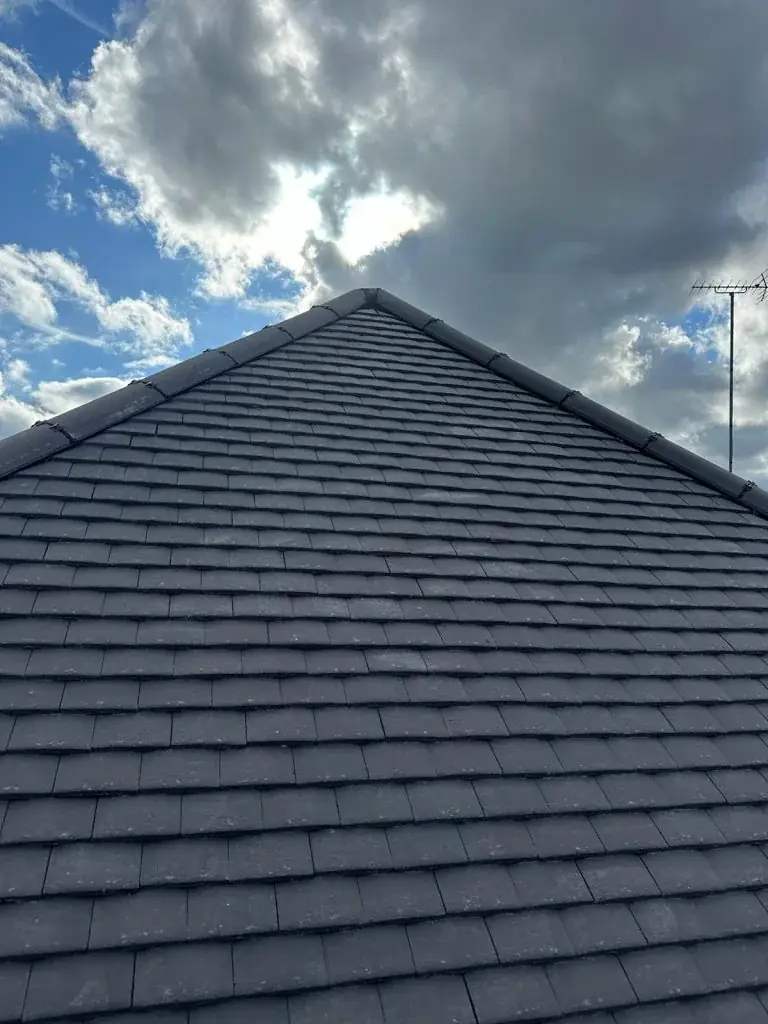
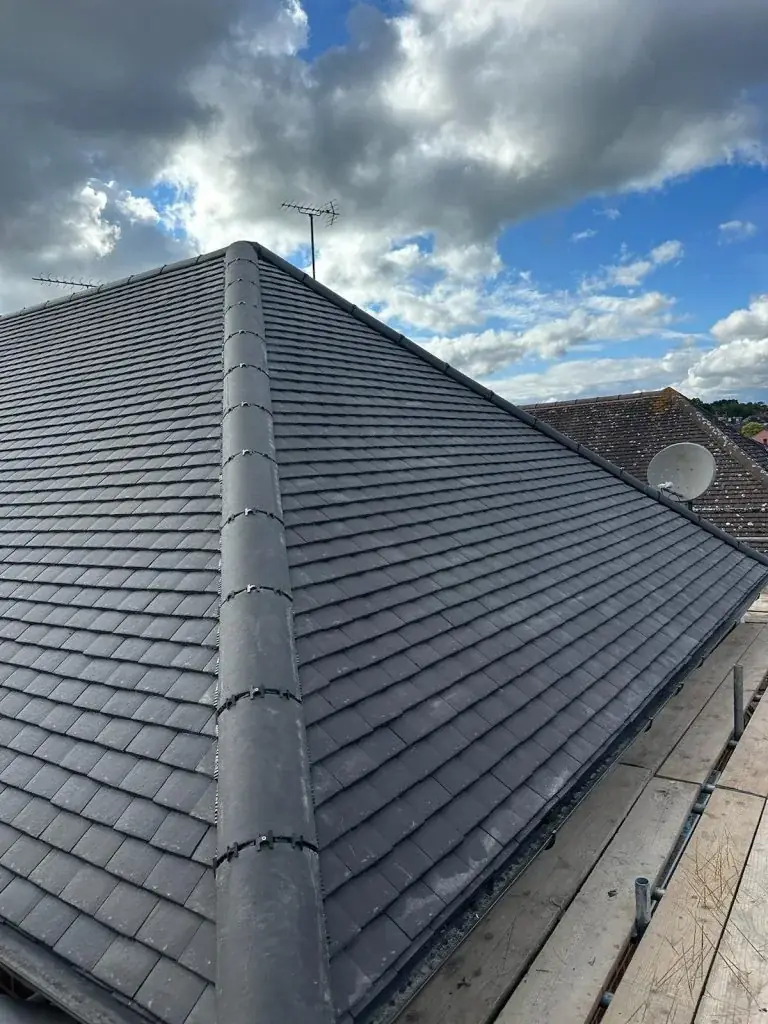
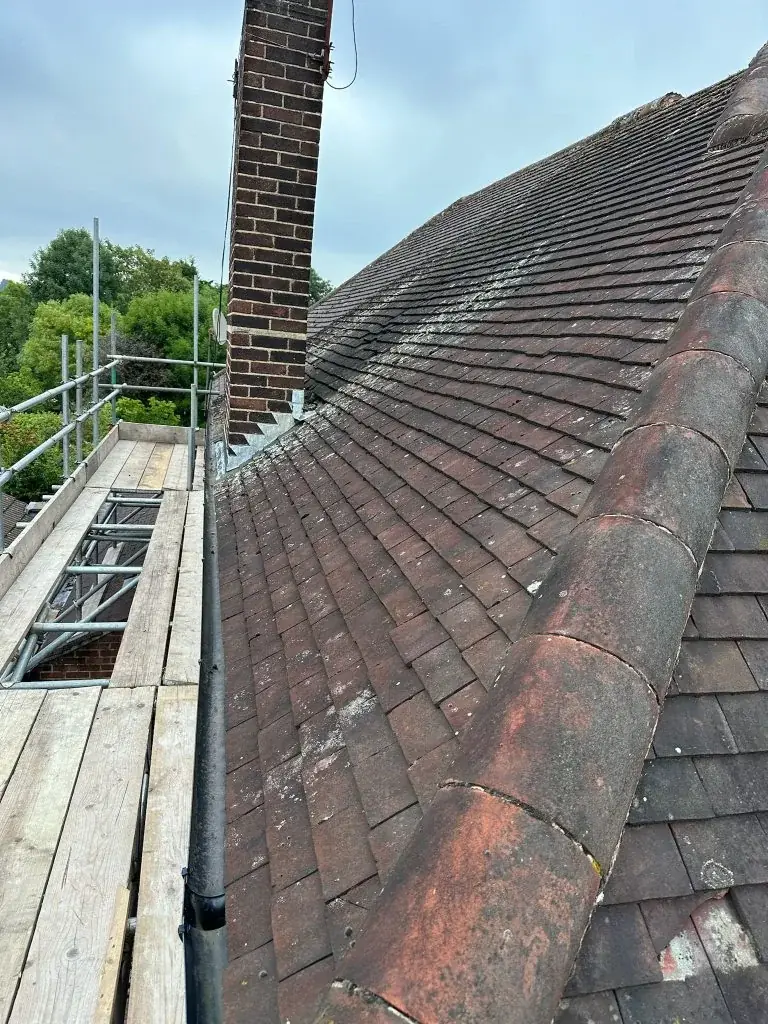
A roof issue often shows up in one place but starts somewhere else. The right approach is to trace the problem through the coverings, junctions, flashing and drainage details before deciding on repair or replacement. That avoids fixing only the visible symptom.
- Service
- Roofing
- Neighbourhood
- Brixton
- Borough
- Lambeth
- Next step
- Discuss your project
Your project brief
Find the cause before choosing the repair
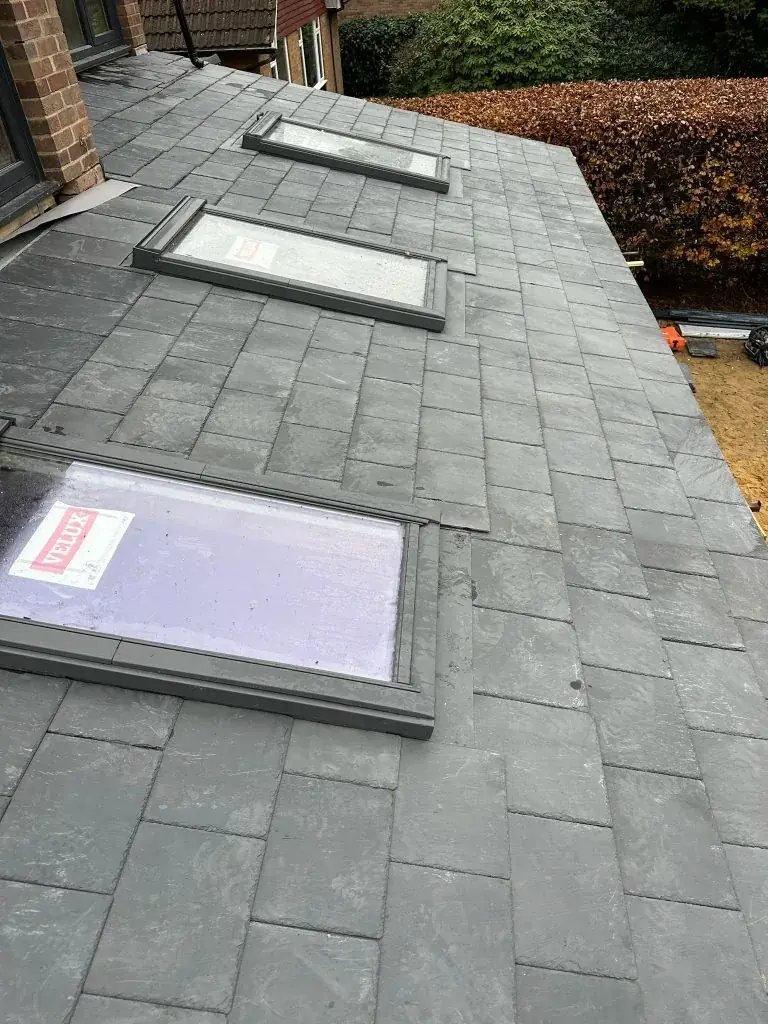
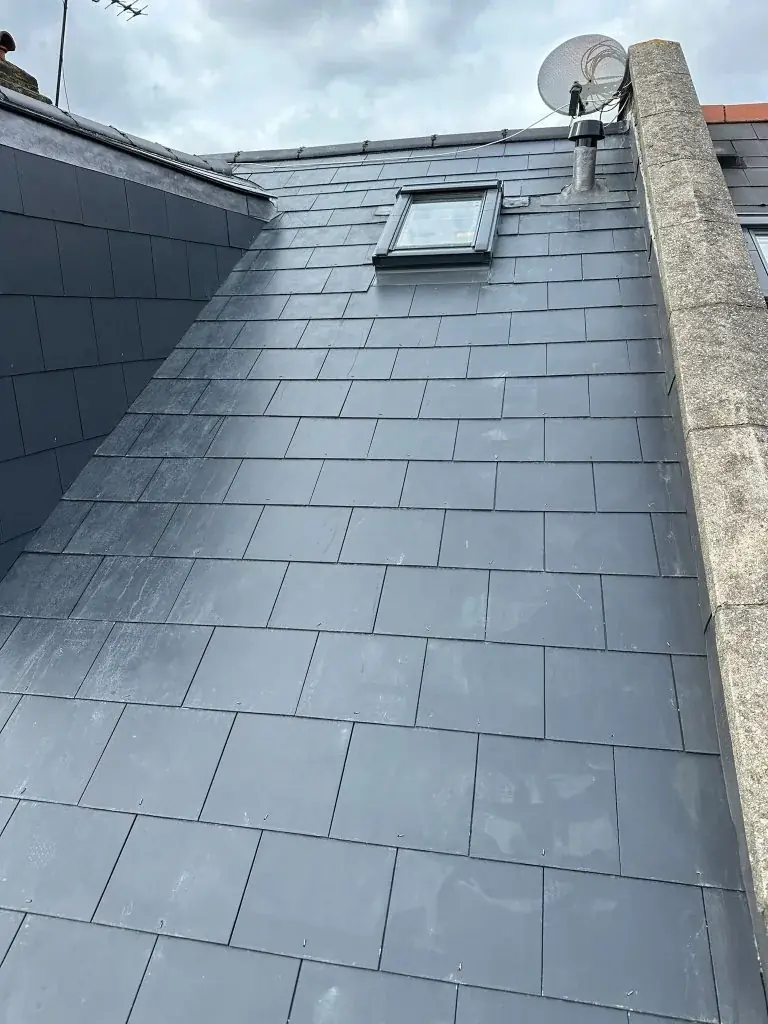
A damp patch inside does not automatically mean the tile above it is the only problem. The roof covering, ridge details, abutments and rainwater junctions all need checking where they can be accessed safely. If the fault is elsewhere, patching one spot may not solve the real issue.
The distinction between repair and wider roof work matters. Some jobs need a local fix to a particular detail, while others reveal a larger condition issue that should be tackled as part of a fuller scope. The sooner that is clear, the easier it is to plan the work properly.
Brixton and Lambeth checks for roof work
For a Brixton property, Lambeth’s conservation-area guidance may matter if the roof alterations affect the external appearance, but the council says the exact property must be checked in the planning database and constraints tab. That address-specific check is important because borough-wide facts do not tell you the status of a particular roof. The roofing plan itself should still be based on the defect, access and the wider project sequence.
Design decisions
Coordinate roof work with larger alterations
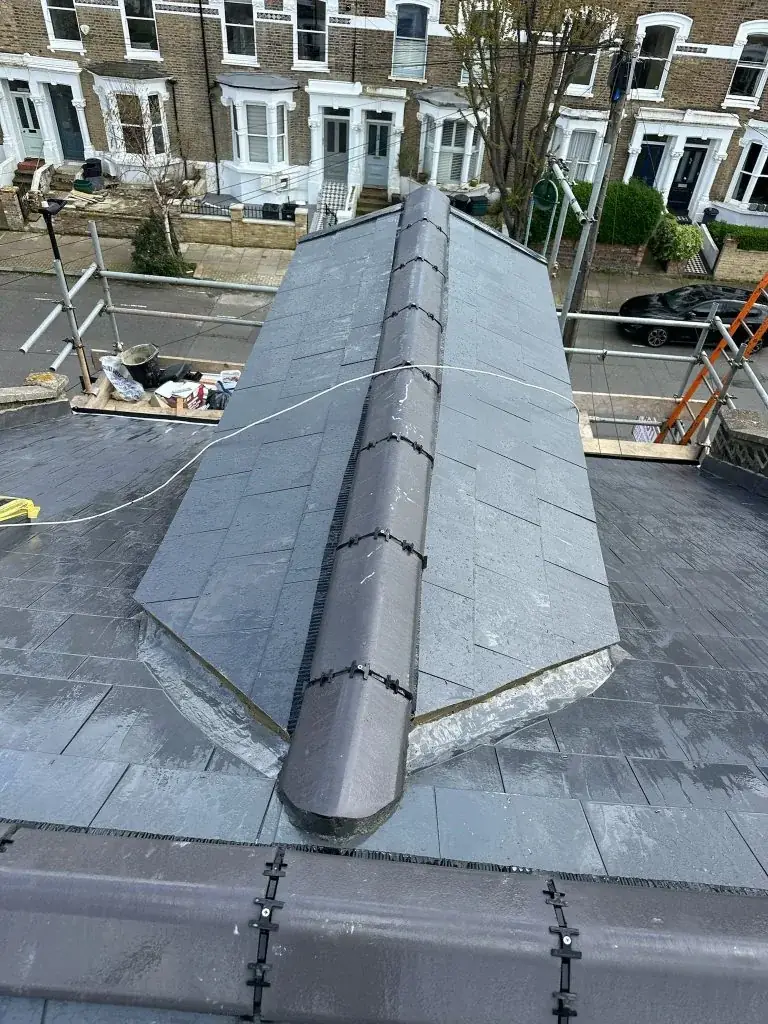
If the roof forms part of a loft conversion or another larger project, the roofing scope should be aligned with the structural design rather than handled separately. Changes to the roof may affect load-bearing elements, openings and insulation strategy, so the sequence has to be set early.
It is also worth agreeing what can be inspected and what cannot. Some roof areas are only accessible by safe means, and the repair brief should reflect that. A realistic scope helps avoid assumptions about hidden parts of the roof that were never properly checked.
Design checks
Four things we confirm before drawing roofing work.
- 01Check the roof defect source, not only the damp mark inside.
- 02Separate local repair from wider roof replacement in the brief.
- 03Coordinate roof changes with any loft or structural design.
- 04Agree safe access and the limits of what can be inspected.
How do I know if a roof repair is enough?
That depends on whether the defect is local or part of a wider pattern. If more than one detail is failing, a single patch may not be the best answer and further investigation may be needed.
Why are flashings and junctions important?
Because many roof leaks begin where different materials meet. Those details need checking alongside the main covering so the repair addresses the actual path of water.
Should roof alterations be planned with a loft conversion?
Yes, because the roof change and the internal conversion can affect each other. The structural requirements, openings and weatherproofing should be designed together rather than in isolation.
Planning and project guidance
- Conservation area profiles | Lambeth Council
- GOV.UK · Planning permission
- GOV.UK · Building regulations approval
- GOV.UK · Party walls and building work
Check the current guidance for your address before relying on a planning route. This guide is not a planning decision or a verified local case study.
Other services in Brixton








