
Essex · Chelmsford · Town service guide
Gardensin Chelmsford.
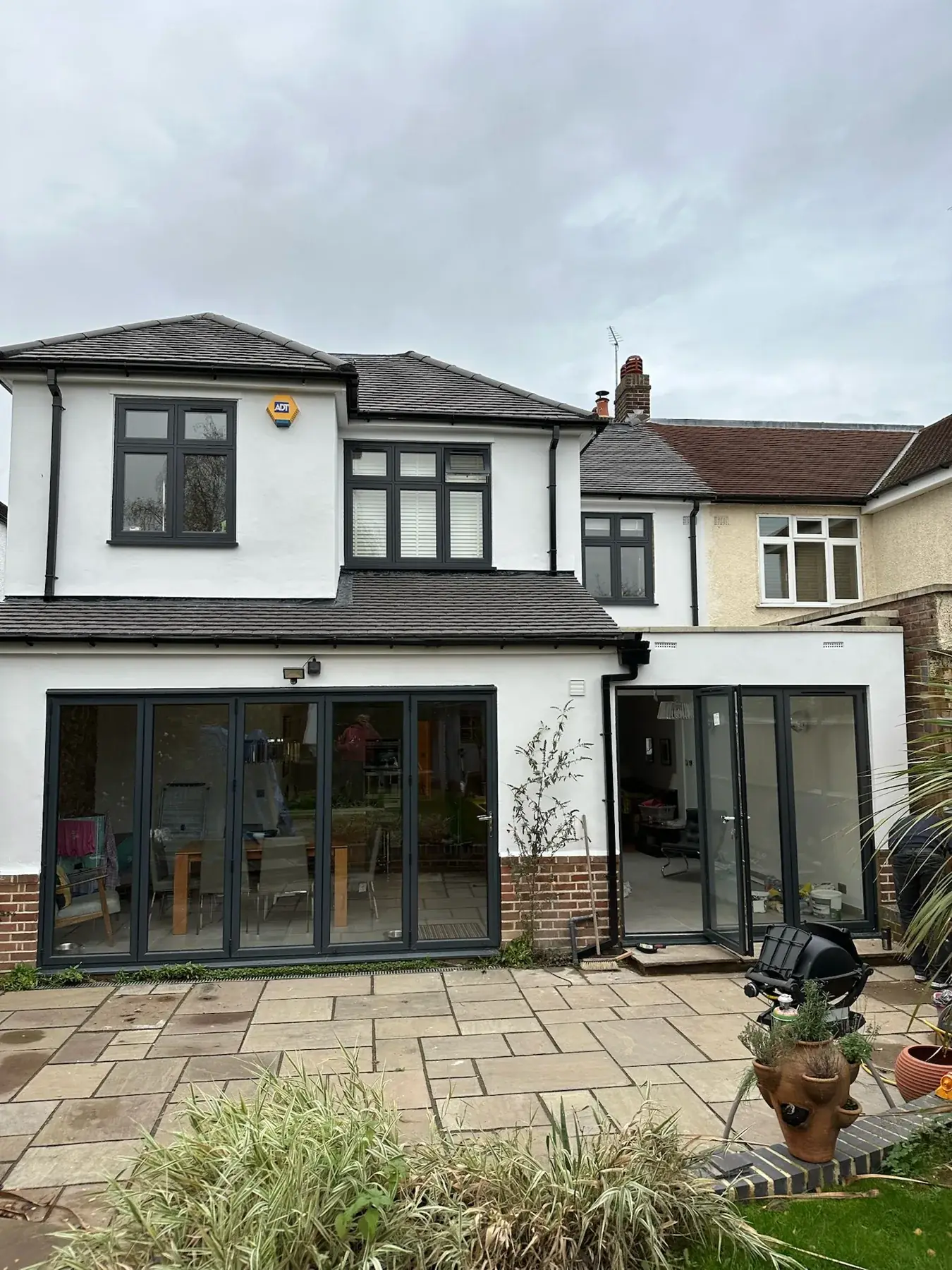
A garden works best when it supports the house rather than competing with it. The practical decisions are about levels, drainage, access and how the space will be used from the rooms that open onto it, not just about hard landscaping on its own.
- Service
- Gardens
- Town / city
- Chelmsford
- County
- Essex
- Next step
- Discuss your project
Your project brief
Plan the ground and water before fixing the finish
If a patio is set at the wrong level, water can be pushed towards the house instead of away from it. That means the groundwork, drainage points and any change in level need to be considered before paving or edging is chosen. The visible surface is the last stage, not the first decision.
The same is true for paths and terraces connected to a renovation. Surface water, existing damp-proof levels and the route from door to garden should all be checked. A scope that records those assumptions reduces the risk of finishing the space before the practical problems have been understood.
Chelmsford location checks for outdoor works
Chelmsford City Council’s conservation map and appraisals can be relevant where garden work changes the appearance of the house or its setting, but they do not establish what is acceptable at a particular address. The council also points owners to checks for buildings and trees. For a garden project, confirm the property itself, then record trees, boundaries and level changes in the site drawing before the layout is finalised.
Design decisions
Treat boundaries, access and planting as part of the build
Boundary features, gates and fencing should be planned with ownership and access confirmed, rather than simply replaced where they sit now. If excavation, retaining work or new planting is involved, the garden brief should say how the ground will be prepared and what will be left for later establishment.
If trees are present, they should be marked on the drawing before the design is fixed. That is especially important where the outdoor works sit close to the house or where roots, drainage and new levels may interact. A garden scheme should resolve those overlaps, not leave them to chance.
Design checks
Four things we confirm before drawing garden improvements.
- 01Check levels and drainage before deciding the patio or path finish.
- 02Confirm boundary ownership before replacing fencing or gates.
- 03Mark trees and retaining features on the site drawing.
- 04Agree how the garden will connect to the house and existing doors.
Why does a garden scheme need to consider the house as well as the outside space?
Because the garden is used from the house, and the doors, thresholds and ground levels affect how it performs. If those connections are ignored, the outside works may look finished but still feel awkward or cause water problems.
What should be checked before any excavation starts?
Boundary position, retained access, existing levels and any trees or structures that could be affected. That helps the work stay within the agreed space and avoids redesigning the garden after digging has already begun.
How should drainage concerns be recorded in the brief?
State where water is expected to run, what surface finish is proposed and which existing points are being used or avoided. A written note is better than a vague assumption that the new surface will simply drain itself.
Planning and project guidance
- Chelmsford City Council · conservation maps and character appraisals
- GOV.UK · Planning permission
- GOV.UK · Building regulations approval
- GOV.UK · Party walls and building work
Check the current guidance for your address before relying on a planning route. This guide is not a planning decision or a verified local case study.
Other services in Chelmsford








