
Essex · Chelmsford · Town service guide
House renovationin Chelmsford.
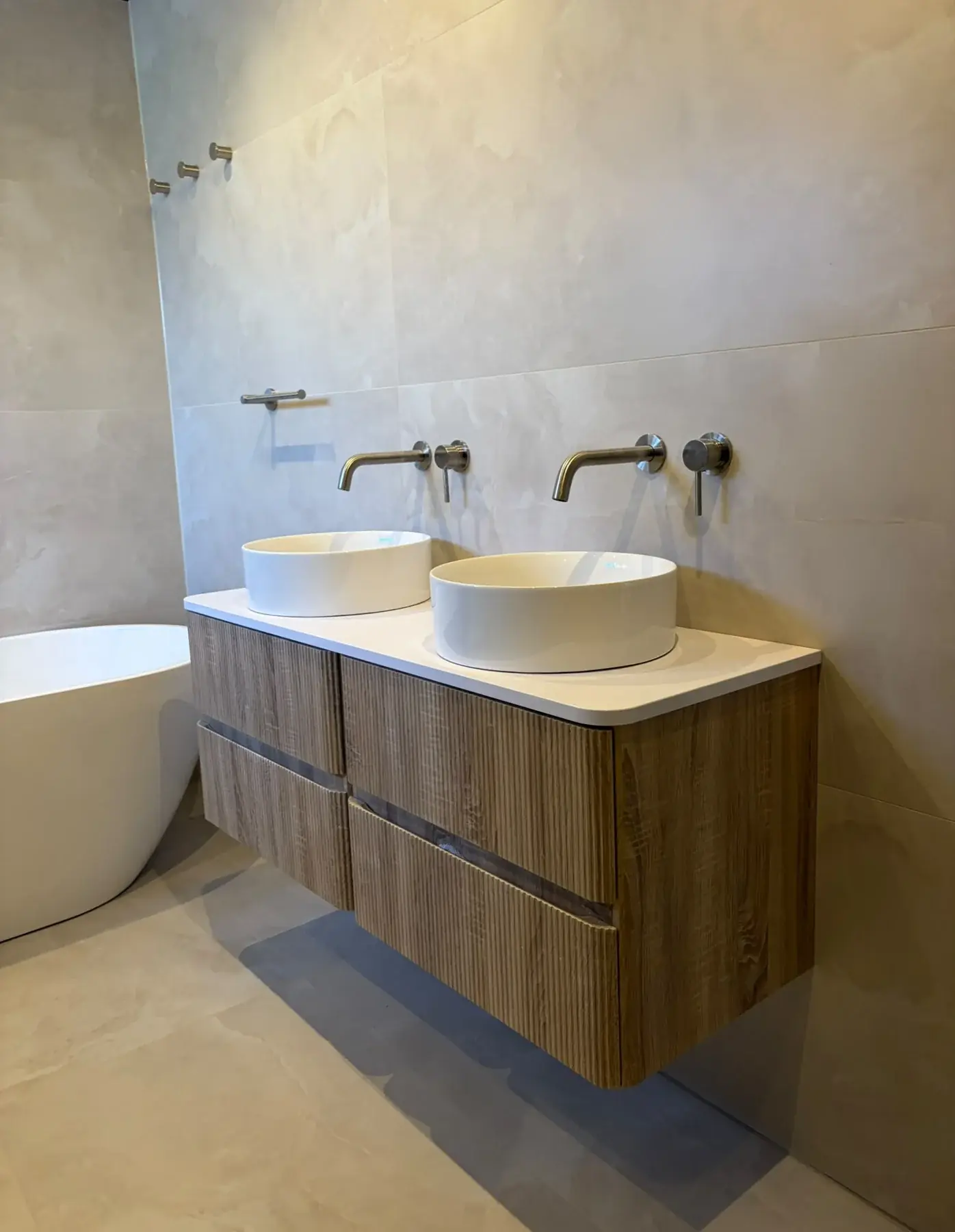
A house renovation works best when you treat the building as a sequence of decisions, not a list of rooms to refresh. In Chelmsford, that means checking what is hidden, what can stay, and what needs to be agreed before walls are opened or finishes are chosen.
- Service
- House renovation
- Town / city
- Chelmsford
- County
- Essex
- Next step
- Discuss your project
Your project brief
Start with defects and past alterations
The first question is not what you want the rooms to look like, but what the house is already telling you. Cracks, damp, uneven floors, patched ceilings and old openings can all affect the order of work and the cost of later changes.
Previous alterations matter too. A removed wall, a blocked fireplace or a repositioned bathroom can change how new services run and where new finishes can safely go. Record those findings in the scope so that the renovation team is not relying on memory or guesswork later.
Chelmsford checks before you commit to a scope
Chelmsford City Council’s conservation map and area appraisals are a useful starting point for external changes, but they do not prove what is acceptable at a particular address. The council also points owners to checks for buildings and trees. If your renovation includes external openings, roof changes or work near trees, use the correct property-specific evidence rather than relying on a general city label or a different area such as New London Road as a shortcut.
Design decisions
Separate structure, services and finish choices
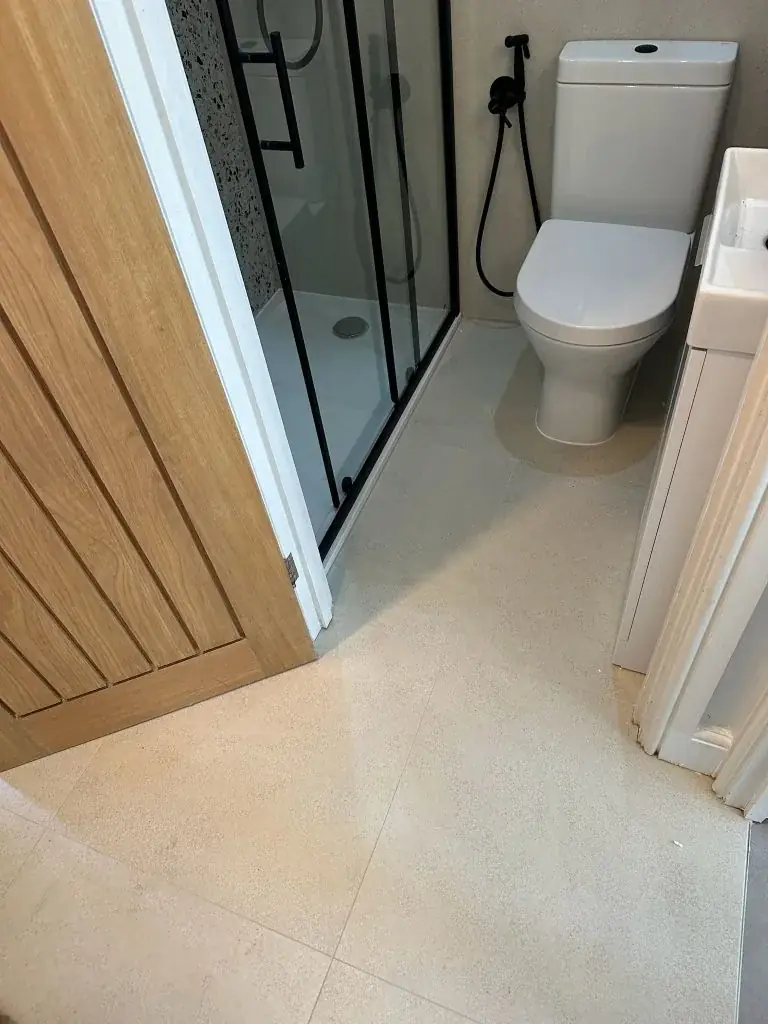
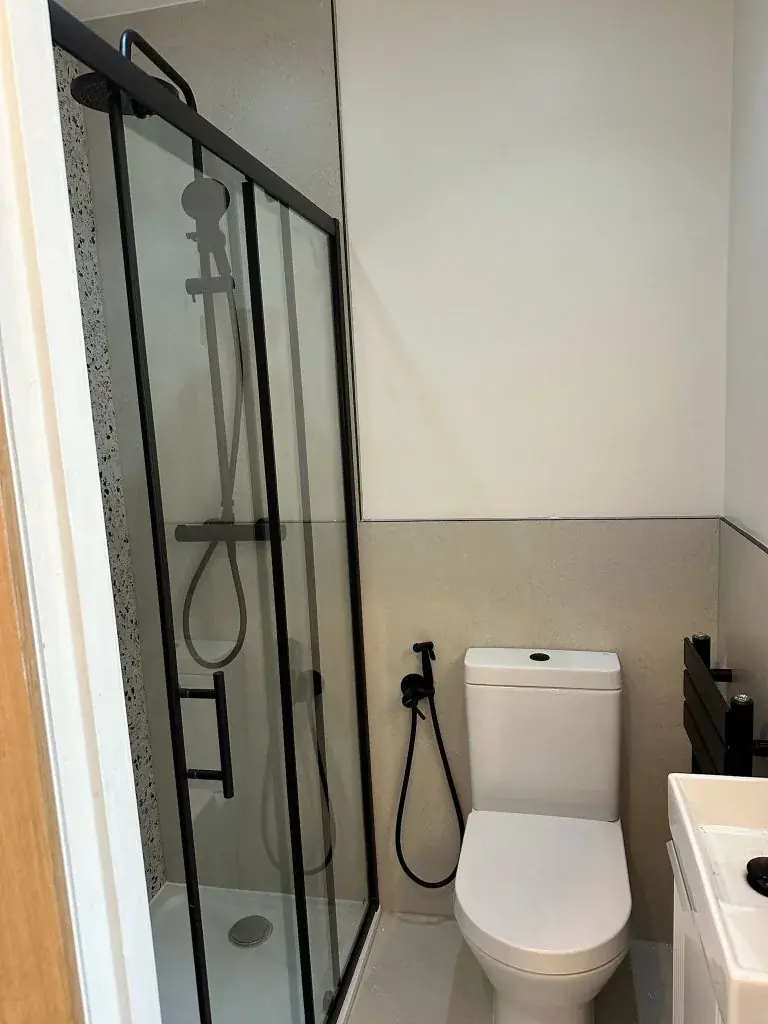
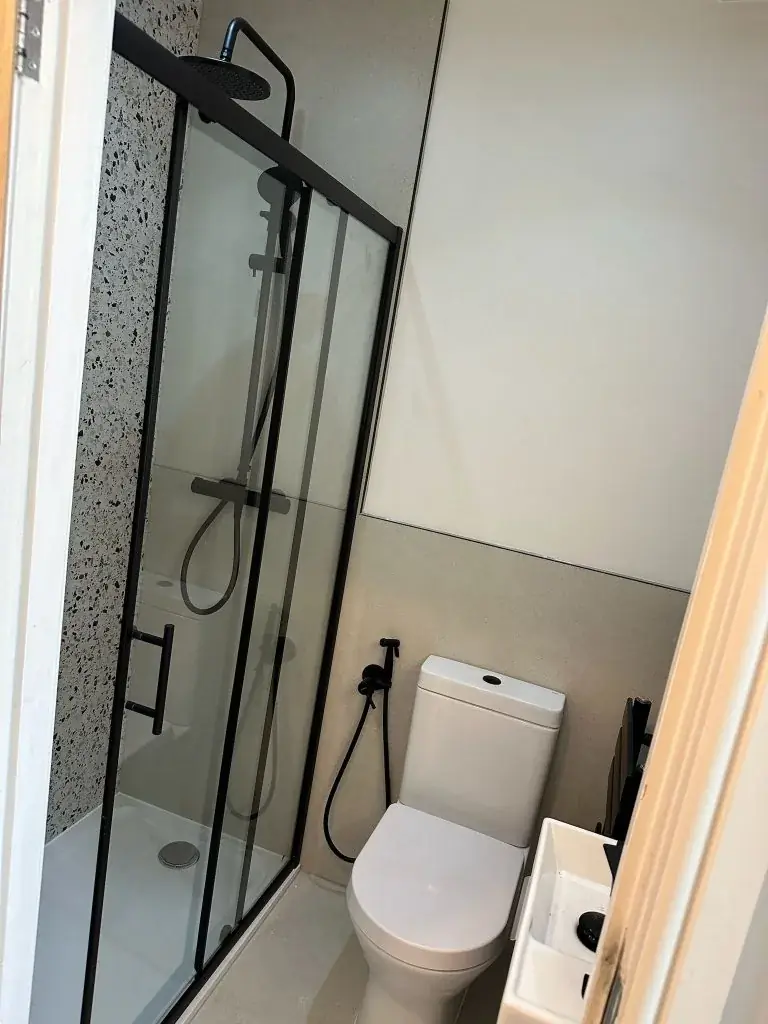
A sound renovation brief distinguishes between structural repairs, service upgrades and decorating. If a wall needs rebuilding, that should be resolved before you choose skirtings, tiles or paint colours. The same applies to wiring, pipework and ventilation, which may alter the usable layout more than floor area alone suggests.
This is also where occupancy and access need to be discussed. If the home must stay in use, the written scope should say which rooms remain live, where dust protection is needed and which services will be interrupted. That avoids accidental assumptions about water, heating or entry routes.
Design checks
Four things we confirm before drawing a house renovation.
- 01Record the visible defects and likely hidden issues before finalising the brief.
- 02List structural work, services upgrades and decoration as separate items.
- 03Agree how the household will remain safe and functional during the works.
- 04Write down survey assumptions, exclusions, approvals and handover records.
Questions
Before you call about Chelmsford.
What should a renovation survey reveal that drawings often miss?
Drawings may show the intended layout, but they rarely show how straight the walls are, where old repairs sit, or whether openings have been altered before. A survey helps test those assumptions so the scope can say what is confirmed and what still needs checking.
How should assumptions be recorded in the written scope?
State what has been inspected, what has been assumed from plans, and what may change once access is opened. That way the quote can distinguish confirmed work from provisional items such as hidden pipework, deteriorated plaster or unexpected structural repairs.
How do you avoid renovation work being sequenced badly?
Set the order around dependencies: survey first, structural decisions next, then services, then finishes. A written programme should show when rooms are unavailable and when each trade needs to return, rather than assuming every task can happen at once.
Planning and project guidance
- Chelmsford City Council · conservation maps and character appraisals
- GOV.UK · Planning permission
- GOV.UK · Building regulations approval
- GOV.UK · Party walls and building work
Check the current guidance for your address before relying on a planning route. This guide is not a planning decision or a verified local case study.
Other services in Chelmsford








