
Essex · Colchester · Town service guide
Gardensin Colchester.
A garden project works best when it supports the house rather than competing with it. The final check is not just whether the paving looks neat, but whether the route from the back door, the threshold details and the fall of the ground all make sense together.

- Service
- Gardens
- Town / city
- Colchester
- County
- Essex
- Next step
- Discuss your project
Your project brief
Look at how the outside space meets the house
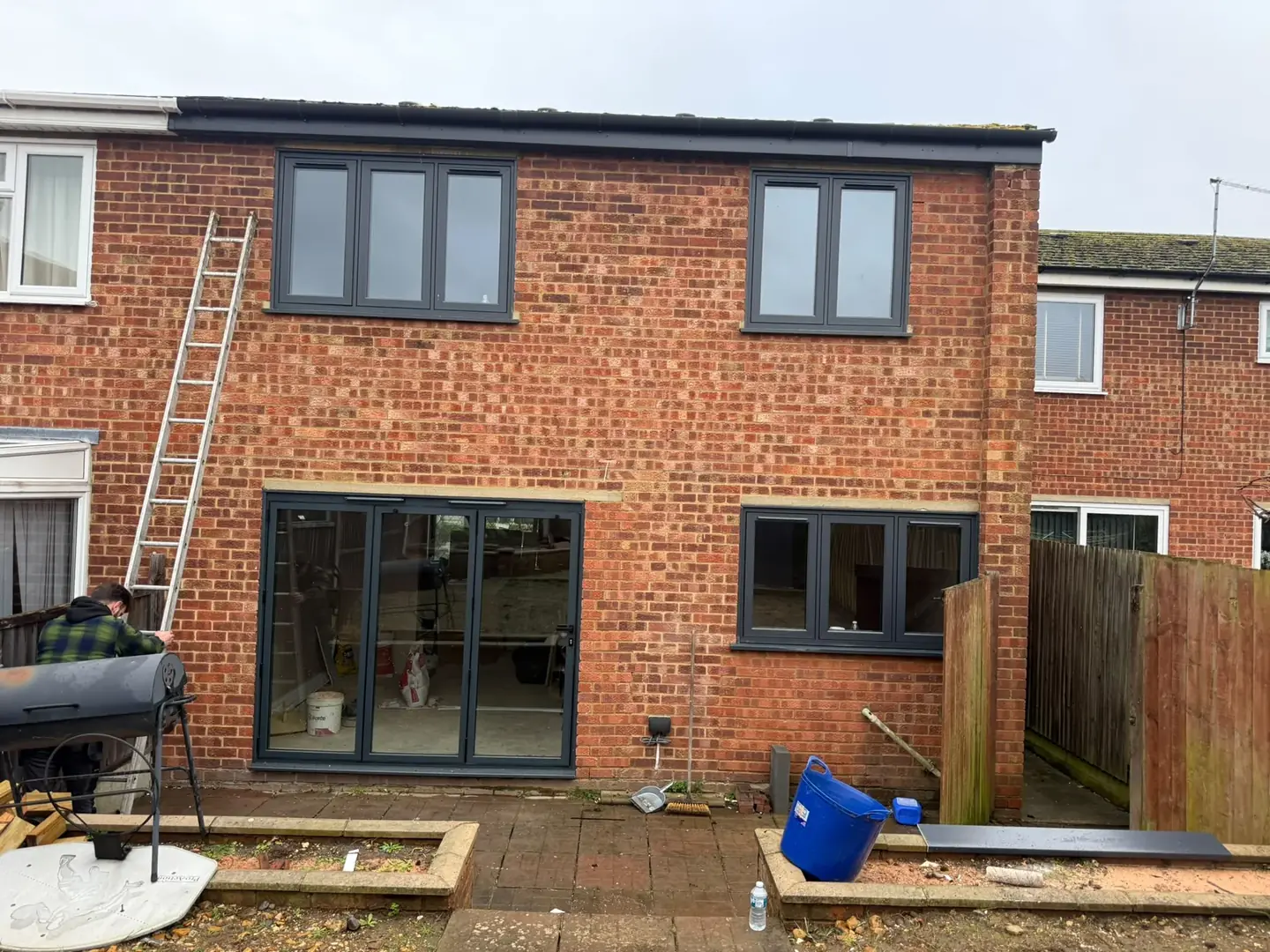
If a patio, path or lawn is being changed, the level at the back of the house should be part of the discussion. A finish that appears tidy can still cause problems if it directs water towards the wall or leaves an awkward step where people move in and out with shopping, buggies or garden tools.
This is where circulation matters again. The route from kitchen or living room to the garden should feel intentional, with thresholds, surface levels and paths working as one rather than as separate jobs.
Colchester checks if landscaping sits beside heritage or excavation work
Colchester City Council’s heritage guidance brings together conservation and listed-building mapping with archaeology advice and its Historic Environment Record. It says an archaeological investigation may need an agreed Written Scheme of Investigation. For garden work, that becomes relevant if the project includes digging for foundations, drainage or other below-ground construction. Check the exact property on the council mapping before assuming the outside space is unrestricted.
Design decisions
Check the boundary, drainage and making-good items before closeout
Ask which boundary features were included, where ownership has been confirmed and what happens where new surfaces meet existing ones. That is especially useful if the work included fencing, gates, edging or repaired surfaces left after building work.
The handover should also identify any remaining soft landscaping, ground preparation or drainage adjustments. That way, the homeowner can see whether the project is complete or whether a later planting or settling stage is still expected.
Design checks
Four things we confirm before drawing garden improvements.
- 01Check that water runs away from the house and does not collect at thresholds or low points.
- 02Confirm boundary ownership and which fencing, gates or edging items were included.
- 03Review any remaining ground preparation, planting or surface making-good still to be done.
- 04Walk the route from the house into the garden and note any awkward steps or changes in level.
What makes a garden handover useful rather than just tidy-looking?
It should confirm levels, drainage and boundaries, not only the finish of the surface. A neat-looking patio can still be wrong if water or movement around the threshold has not been considered.
Why think about circulation in a garden project?
Because the route from the house into the garden affects how the space is actually used. Steps, widths and level changes matter if people are carrying items or moving in and out often.
What should be clarified if fencing or edging was part of the job?
Confirm ownership and responsibility for the boundary line, then list which features were included in the scope. That avoids disputes after completion about what was intended versus what was assumed.
Planning and project guidance
- Colchester City Council · heritage map and archaeology application guidance
- GOV.UK · Planning permission
- GOV.UK · Building regulations approval
- GOV.UK · Party walls and building work
Check the current guidance for your address before relying on a planning route. This guide is not a planning decision or a verified local case study.
Other services in Colchester








