
Essex · Colchester · Town service guide
Roofingin Colchester.
Roofing handover is about more than seeing a dry ceiling after rain. A homeowner should understand what was repaired, what remains part of the roof system and how the work relates to any broader conversion or refurbishment, because roof repairs and structural changes are not the same job.
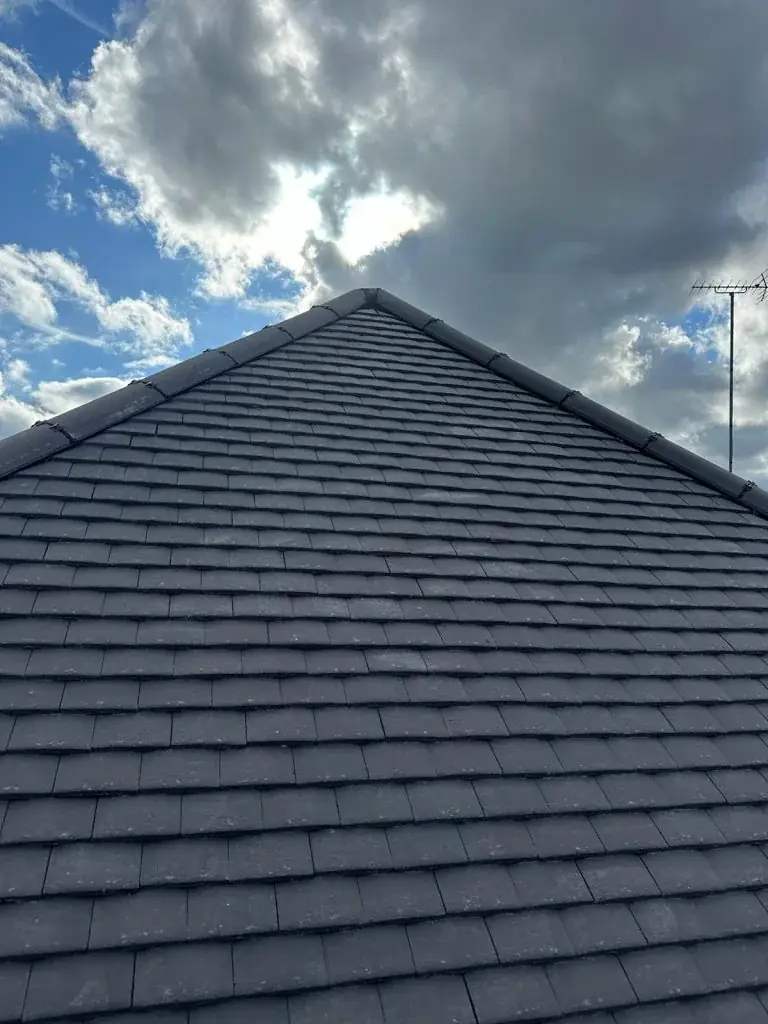
- Service
- Roofing
- Town / city
- Colchester
- County
- Essex
- Next step
- Discuss your project
Your project brief
Check the repaired area and the connections around it
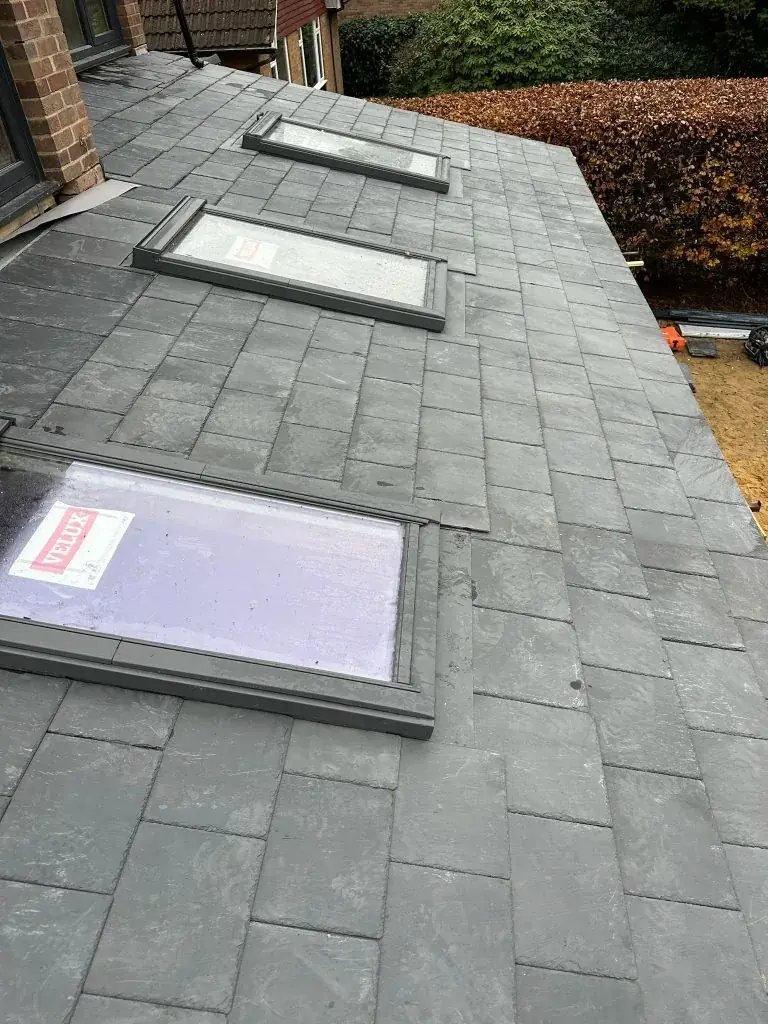
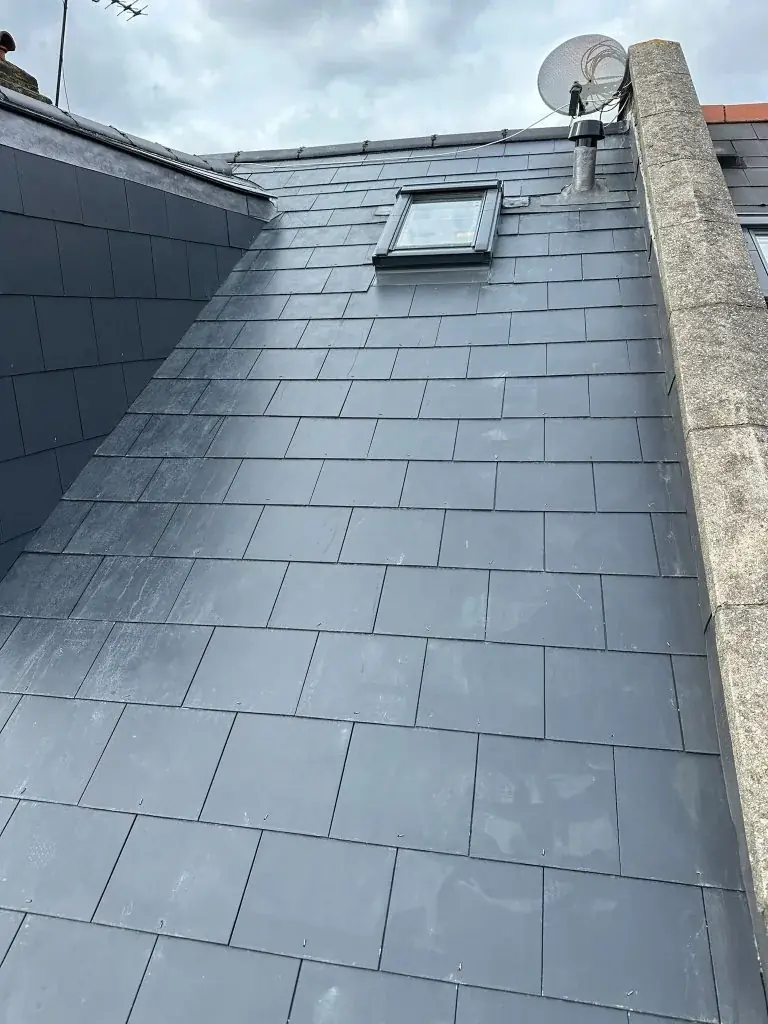
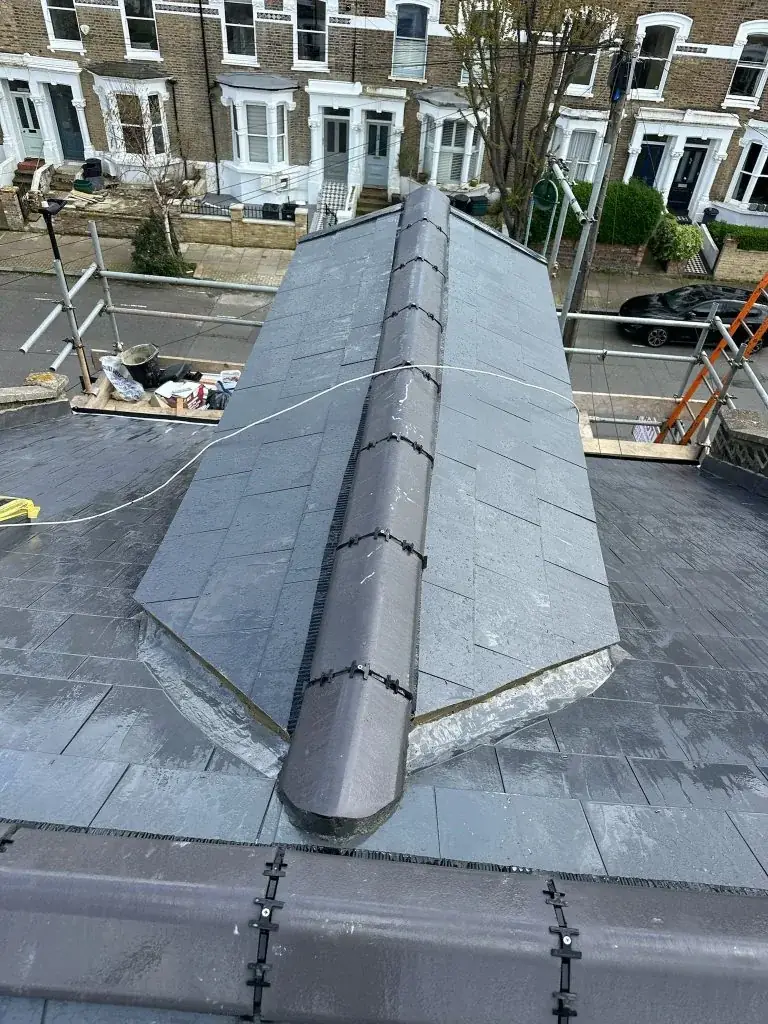
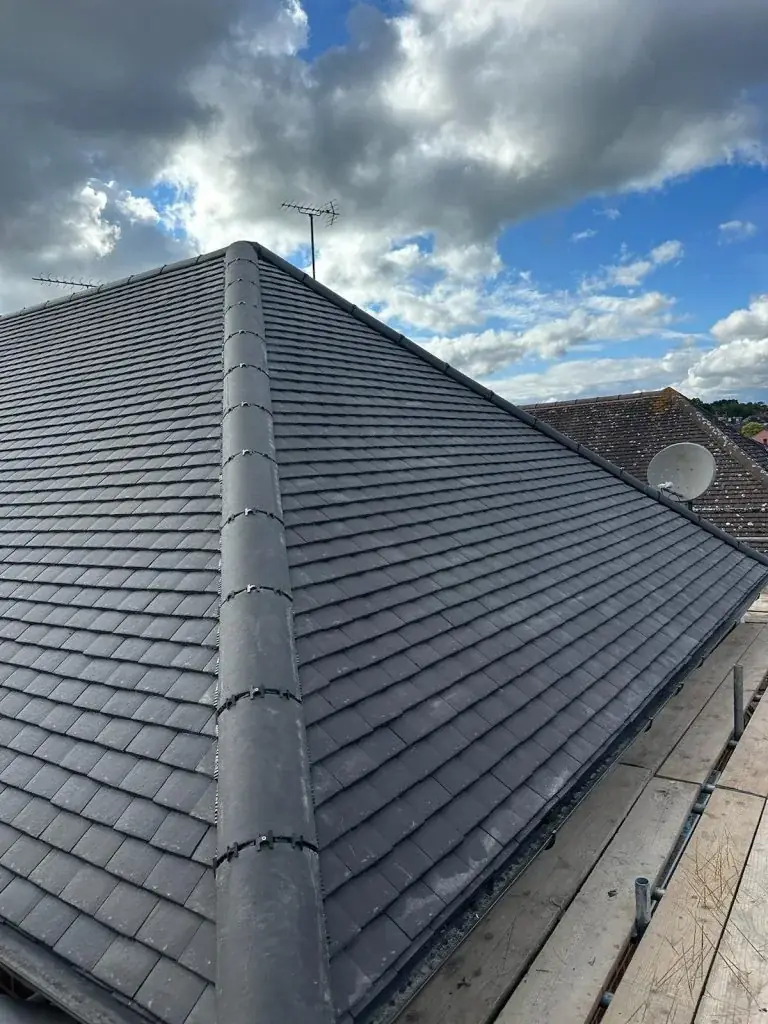
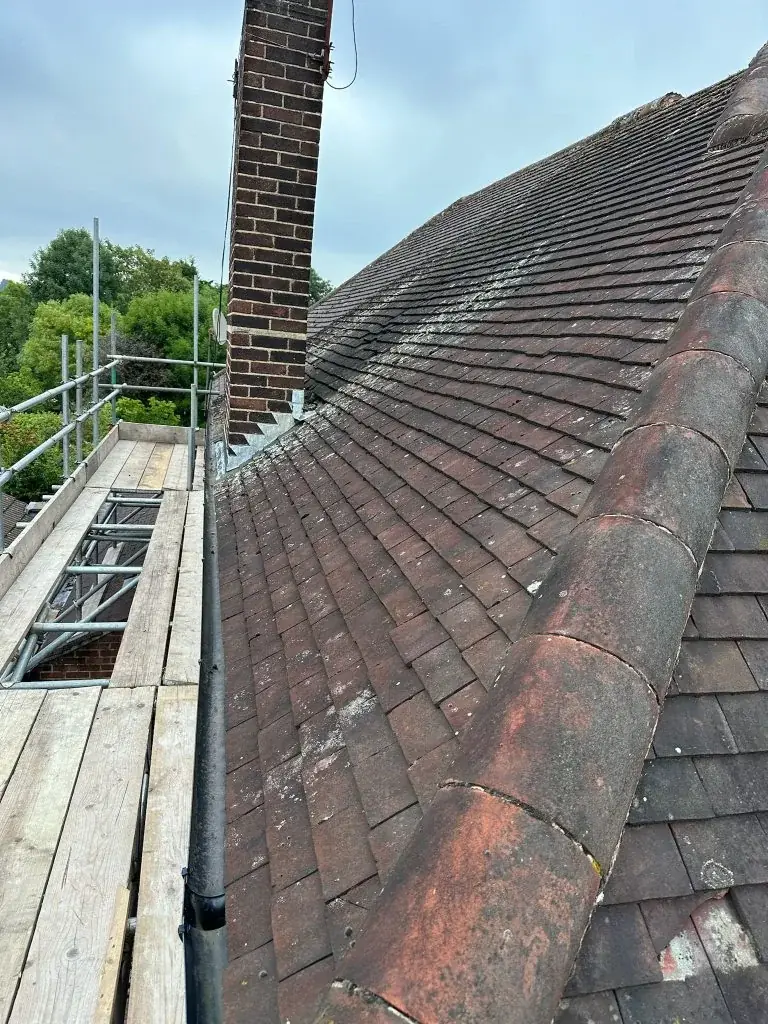
A roof problem can come from a flashing, abutment, ridge or drainage detail rather than the tile directly above the stain. At handover, ask which parts were actually repaired and whether the surrounding details were inspected as part of the same scope. That is especially important where the roof meets a stairwell or upper landing below.
If the work forms part of a loft conversion or other alteration, make sure the roofing scope is still distinct from the structural or layout work. A roof repair should fix the cause, not blur into a different project.
Colchester checks where roof work may overlap with heritage or archaeology guidance
Colchester City Council’s heritage guidance combines conservation and listed-building mapping with archaeology advice and its Historic Environment Record. It explains that an archaeological investigation may require an agreed Written Scheme of Investigation. Roof alterations still need their own heritage and planning assessment. For a Colchester address, check the exact property on the council mapping before assuming a roof repair, replacement or conversion has the same local requirements.
Design decisions
Use the handover to confirm access, exclusions and remaining risk
Safe access and the condition of the roof structure should be part of the closeout discussion. Ask what was visible, what could not be checked without further opening up and whether any defects remain under observation. That gives a better sense of what the job has actually solved.
It is also sensible to ask for any completion records and to note excluded areas, especially if the work was limited to one slope or one junction. That way, the homeowner knows what was repaired and what still needs watching.
Design checks
Four things we confirm before drawing roofing work.
- 01Ask which roof details were repaired: coverings, ridges, flashings, abutments or rainwater junctions.
- 02Check whether any roof area could not be inspected fully and what that means for future monitoring.
- 03Confirm whether the work is a repair, a replacement or part of a broader loft or structural project.
- 04Request any completion records and note excluded roof areas in writing.
What should a homeowner ask about at roofing handover besides the tiles?
Ask which junctions were checked and repaired, such as flashings, abutments and ridges. Many leaks come from those details rather than the visible covering alone.
How is roof repair different from loft-conversion work?
Roof repair deals with the weathering and structure already there. A loft conversion changes the internal use of the roof space and may involve separate structural and layout decisions.
Why record excluded roof areas at handover?
Because it shows what was actually addressed and what remains outside the job. That helps the homeowner monitor any remaining risk instead of assuming the whole roof was treated.
Planning and project guidance
- Colchester City Council · heritage map and archaeology application guidance
- GOV.UK · Planning permission
- GOV.UK · Building regulations approval
- GOV.UK · Party walls and building work
Check the current guidance for your address before relying on a planning route. This guide is not a planning decision or a verified local case study.
Other services in Colchester








