
Kent · Dartford · Town service guide
Gardensin Dartford.
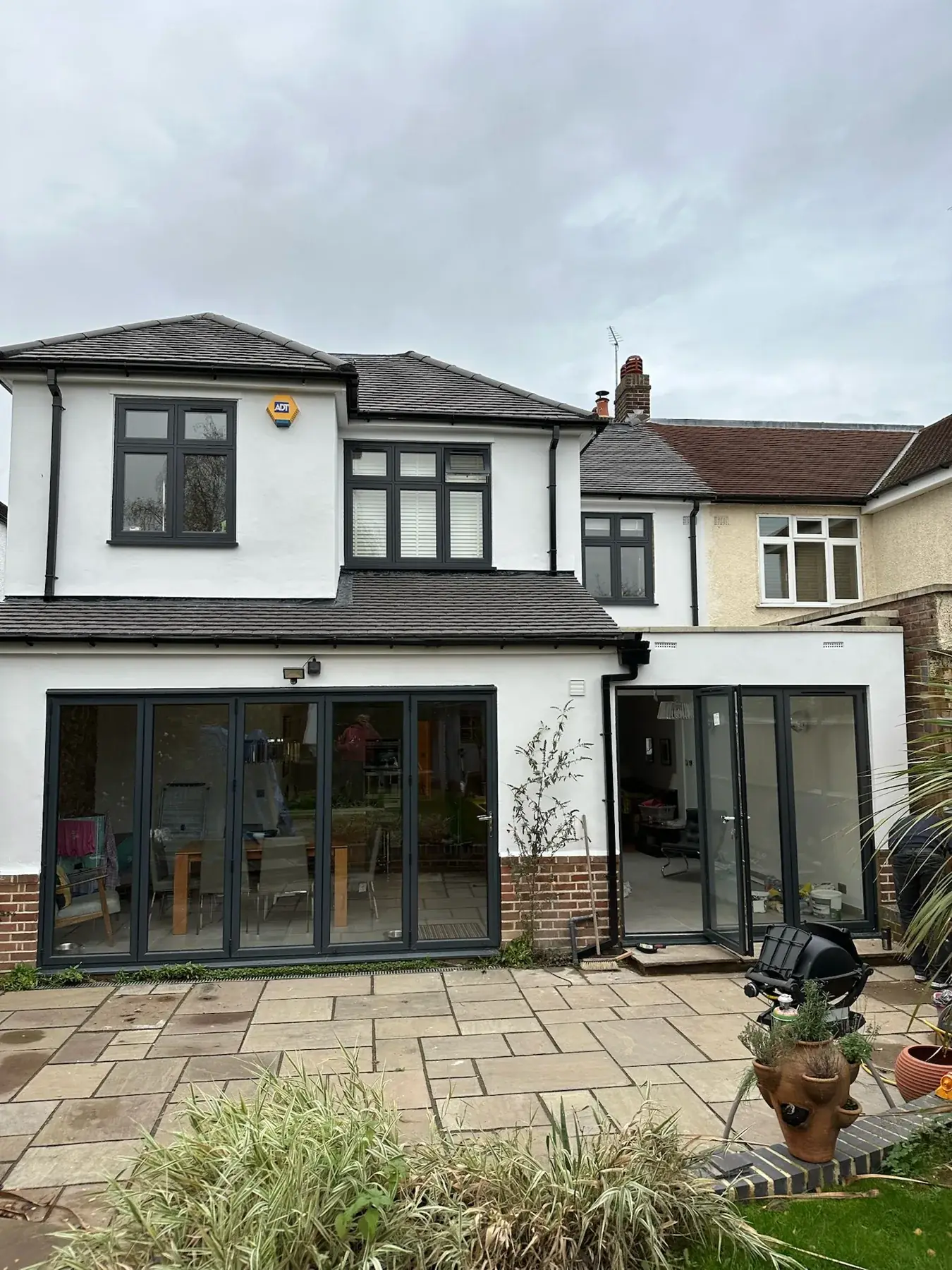
Garden work should make the house easier to use, not create water or boundary problems later. The best decisions look at levels, drainage and access alongside the way the rooms connect to the outside space, especially where the garden is part of a wider home upgrade.
- Service
- Gardens
- Town / city
- Dartford
- County
- Kent
- Next step
- Discuss your project
Your project brief
Design the garden as part of daily living
If the garden is used for sitting out, play or entertaining, the surface and routes should match that use. A patio or path should feel like a deliberate extension of the home, rather than an afterthought added once the internal work is finished.
For a working-from-home household, the outdoor area may also need a calmer route between rooms and garden doors. That can influence where hard landscaping goes, how wide the paths should be and whether the space needs privacy or screening to feel useful as an escape from the desk.
Dartford local checks for garden work
Dartford Borough Council separates adopted policy on the local-plan policies map from area appraisals and neighbourhood profiles. The council’s guidance says the 2024 Dartford Plan should be read with that evidence, but the property address must be checked to see which mapped designations apply. That is especially important where a garden scheme may affect surfacing, boundaries or drainage, because context alone does not establish what is permitted on a particular site.
Design decisions
Check water, levels and ownership before work starts
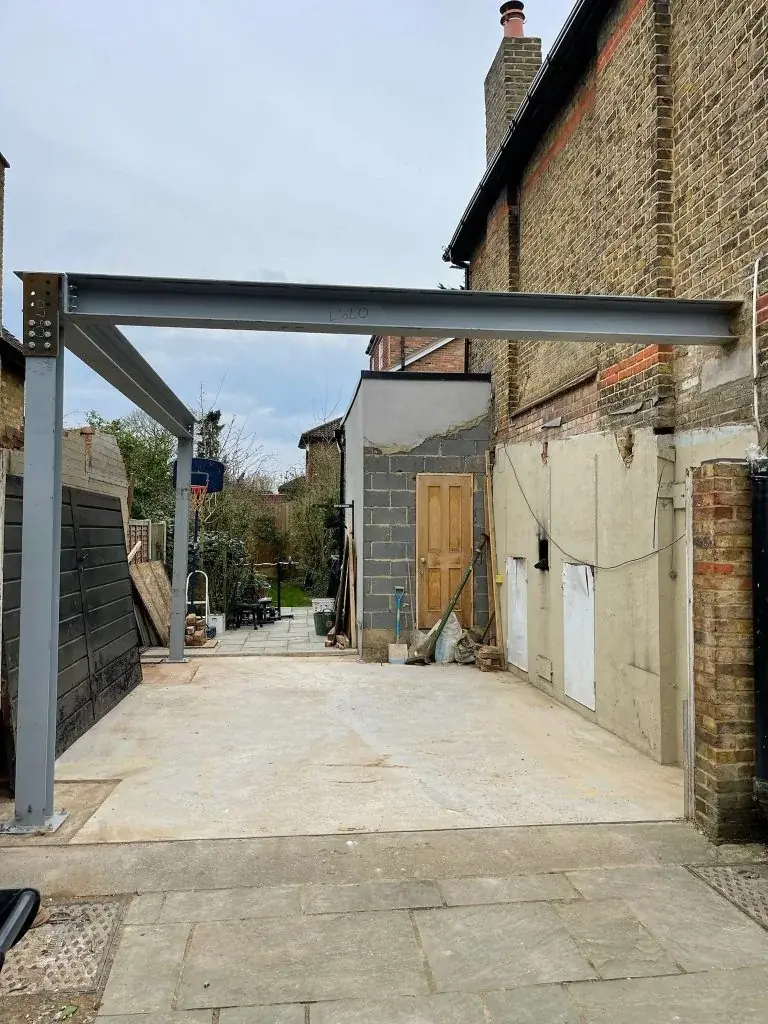
The surface must not push water back toward the house. Existing thresholds, damp-proof levels, falls and drainage points should be considered with any change to paving or steps. Retaining walls, substantial excavation and work near trees can also bring extra technical or consent issues.
Boundary ownership matters too, particularly before fencing or gates are changed. A practical brief should state what is known, what needs confirmation and where the work stops, so the landscaping does not create a dispute or a drainage fault that is hard to fix later.
Design checks
Four things we confirm before drawing garden improvements.
- 01Check levels and surface-water routes before fixing the design.
- 02Confirm boundary ownership before replacing fences or gates.
- 03Allow for retaining structures or deeper excavation to be reviewed.
- 04Keep the garden layout tied to the way the house uses the space.
Why does a garden brief need drainage checks?
Because paving or level changes can send water toward the house if they are not planned carefully. The garden surface should work with the building and the site levels, not against them.
Can the garden be treated separately from the house refurbishment?
It can be a separate package, but it works best when the indoor and outdoor spaces are considered together. That helps the thresholds, routes and levels line up properly.
Why is ownership important before fencing work?
A fence or gate on the wrong line can create avoidable disputes. Confirming the boundary first helps make sure the work matches the actual site rather than an assumption.
Planning and project guidance
- Dartford Borough Council · area appraisals, neighbourhood profiles and policy map
- GOV.UK · Planning permission
- GOV.UK · Building regulations approval
- GOV.UK · Party walls and building work
Check the current guidance for your address before relying on a planning route. This guide is not a planning decision or a verified local case study.
Other services in Dartford








