
Surrey · Epsom · Town service guide
Renderingin Epsom.
Render changes the way a house looks, but it also has to work with the wall underneath. The key decisions are whether the background is sound, what system suits the construction and how the detailing around openings and edges will protect the finish.
- Service
- Rendering
- Town / city
- Epsom
- County
- Surrey
- Next step
- Discuss your project
Your project brief
Choose a render system that suits the wall behind it
If the wall has trapped moisture, cracking or an older finish that has failed, the answer may not be a straightforward new coat. The background must be assessed first, because a render system that is too rigid or too dense can worsen problems instead of solving them.
That is especially important on older walls, where the fabric may need a more compatible approach than a modern standard system. The right choice is the one that fits the wall, the exposure and the condition of the existing surface, not simply the one that looks cleanest on paper.
Epsom checks before exterior render is specified
For an Epsom property, use the council’s conservation-area maps and Article 4 information as the starting point if the exterior is changing, but check the exact address and the scope of any direction before drawing conclusions. Not every mapped area or direction means the same thing. Rendering still needs a site-specific assessment of the wall, the background condition and the detailed junctions around the building.
Design decisions
Check edges, openings and junctions before signing off
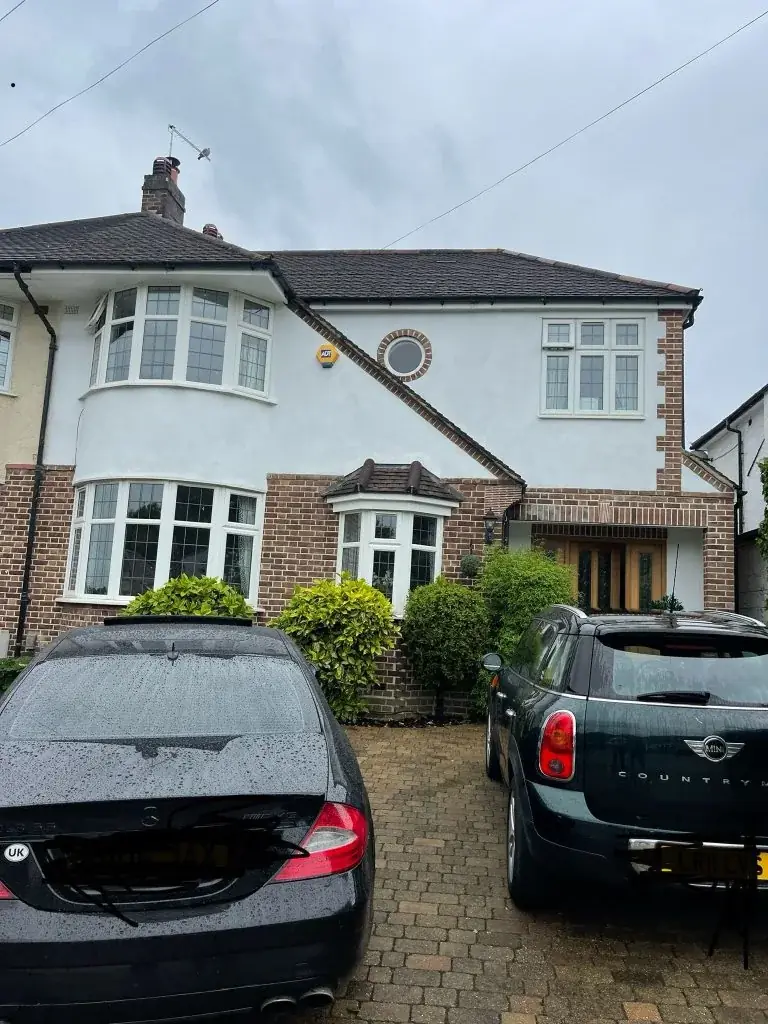
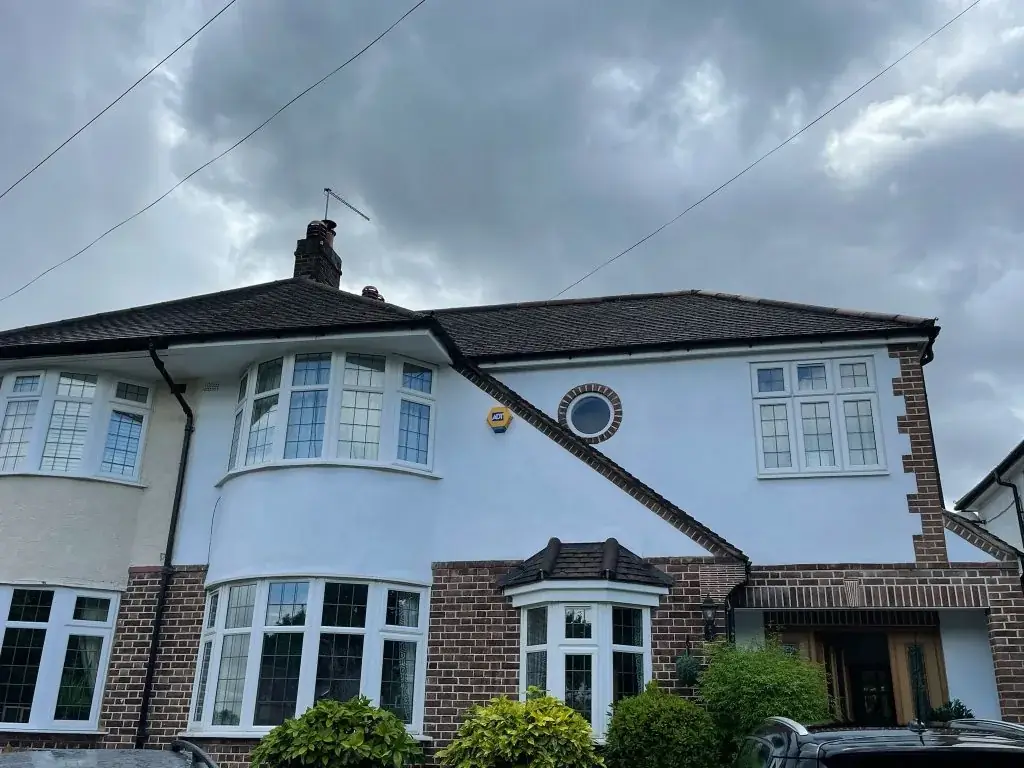
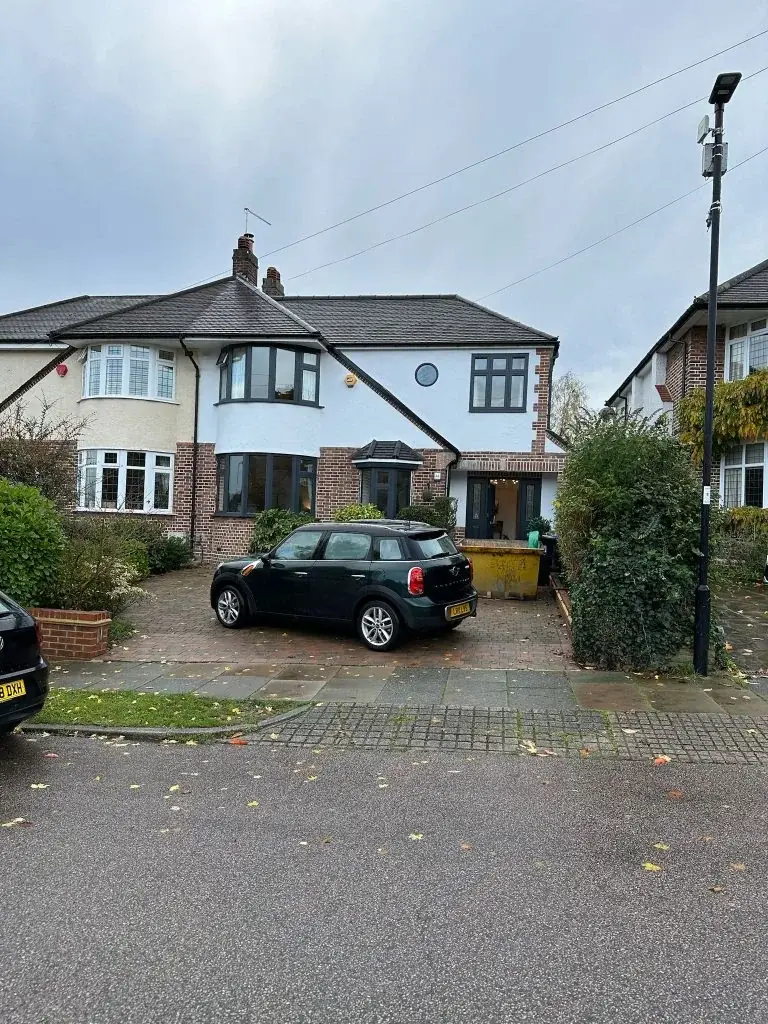
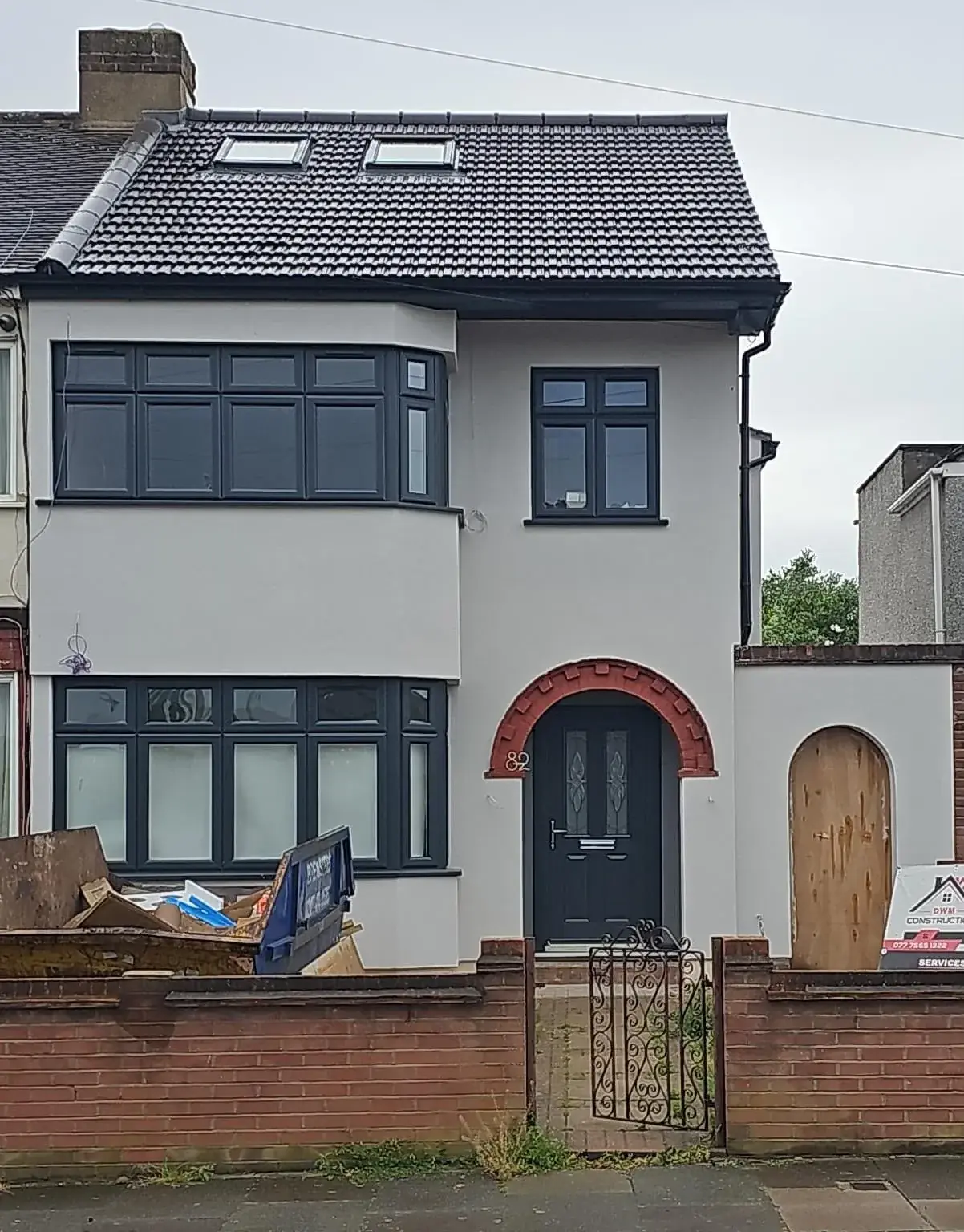
A homeowner can use handover to check the finish, but also the transitions around windows, roof edges and adjoining materials, because those are common places for defects to appear. Ask what repair work was carried out to failed render and whether any surrounding details were adjusted as part of the job.
Where exterior changes are part of a wider project, the impact on the rooms inside should not be ignored. Good rendering should help protect the structure behind it rather than hiding a problem that will reappear in the next wet season.
Design checks
Four things we confirm before drawing external rendering.
- 01Assess the wall background before choosing the render system.
- 02Check whether existing render needs repair or removal first.
- 03Confirm detailing at openings, roof edges and adjoining materials.
- 04Agree which minor repairs and finish items are included at completion.
Why does the wall condition matter so much with render?
Because render depends on the background to stay sound. If the wall is damp, cracked or weak, the new finish may fail unless those underlying issues are addressed first.
Should I ask about junction details before rendering starts?
Yes, because edges and openings are where many problems develop. The way the render meets windows, roofs and other materials can affect durability as much as the main wall area.
What is useful to check at the end of a rendering job?
Check the appearance, the consistency of the finish and the detailing around junctions. You can also confirm what was repaired and what parts of the wall were outside the agreed scope.
Planning and project guidance
- Epsom and Ewell Borough Council · conservation-area maps, appraisals and Article 4 information
- GOV.UK · Planning permission
- GOV.UK · Building regulations approval
- GOV.UK · Party walls and building work
Check the current guidance for your address before relying on a planning route. This guide is not a planning decision or a verified local case study.
Other services in Epsom








