
Camden · North London
Doorsin Hampstead.
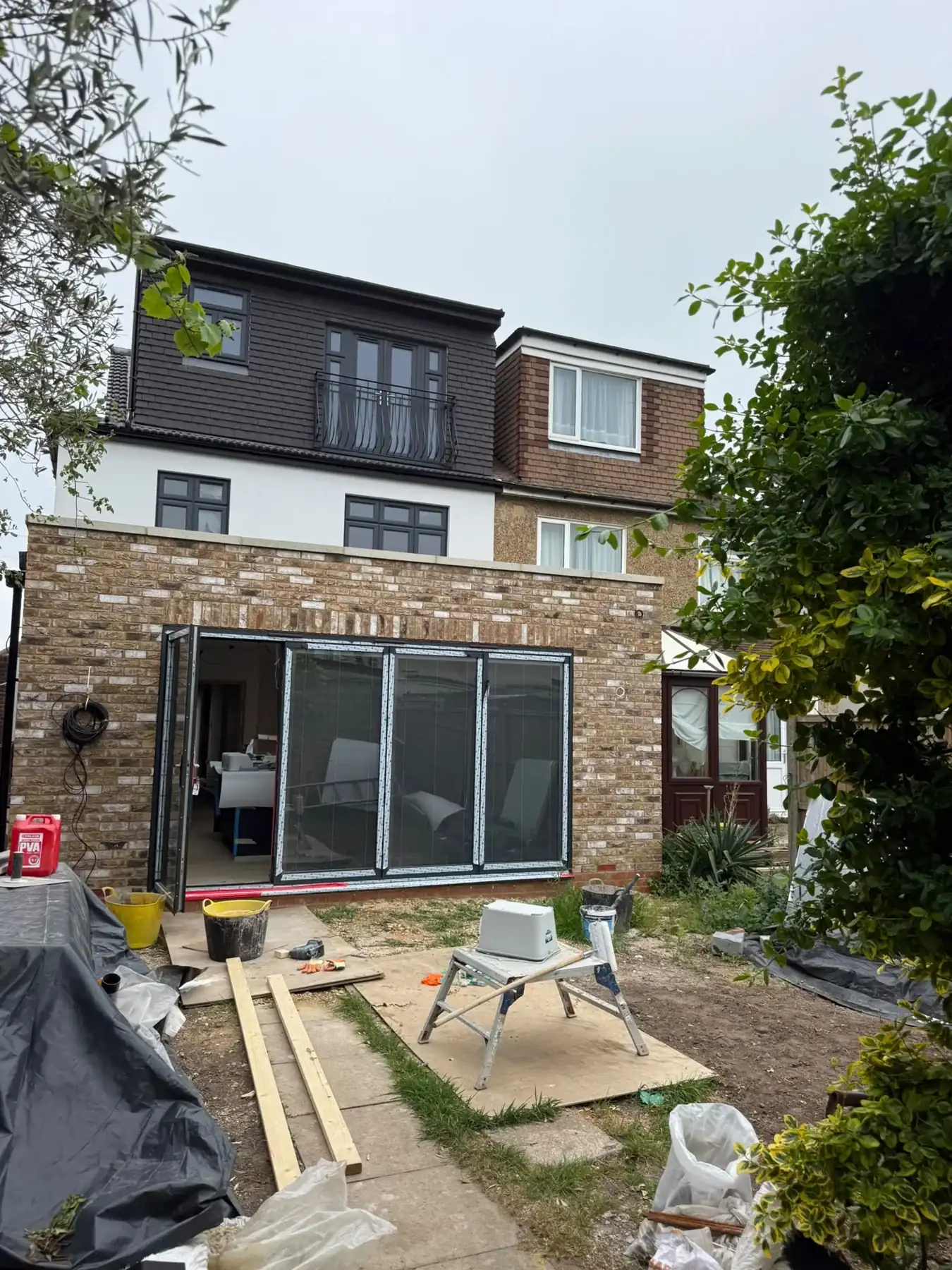
A door is only straightforward if the opening, frame and surrounding finishes already suit the change you want. The important decisions are whether the existing frame can stay, how the new door will clear the space and what hardware or performance needs apply.
- Service
- Doors
- Neighbourhood
- Hampstead
- Borough
- Camden
- Next step
- Discuss your project
Your project brief
Check the opening before choosing the door leaf
The first question is whether the existing frame, lining or opening size can support the new door. That matters because the leaf, clearances and hinges all depend on the condition of the surrounding joinery, not just on the style of the door itself.
Drawings may suggest a neat swap, but they do not reveal twisted frames, uneven floors or awkward reveals. A survey should confirm those realities and the scope should say whether the job includes only the door leaf or also the frame, architraves and making-good.
Hampstead local check for door alterations
Camden’s Hampstead conservation information means address-specific checking is sensible where a door change affects the exterior or a building with listed status. Internal replacements are not automatically a planning matter, but any work that alters character or the outside appearance should be checked against the exact property. The council’s records show a starting point, not an automatic result for every home.
Design decisions
Match hardware and performance to the room’s use
Different rooms place different demands on a door. Internal circulation, privacy, storage access and external exposure all change the specification. Hardware should suit the intended use, and any needed performance requirement should be identified before the door is ordered.
If a possible brief involves an altered opening or an external door, list that separately from a simple internal replacement. The decisions are not the same, and the scope should reflect the different checks, tolerances and finish work involved.
Design checks
Four things we confirm before drawing door installation.
- 01Internal door replacement and fitting within an agreed joinery scope.
- 02Frames, linings, architraves and associated making-good where specified.
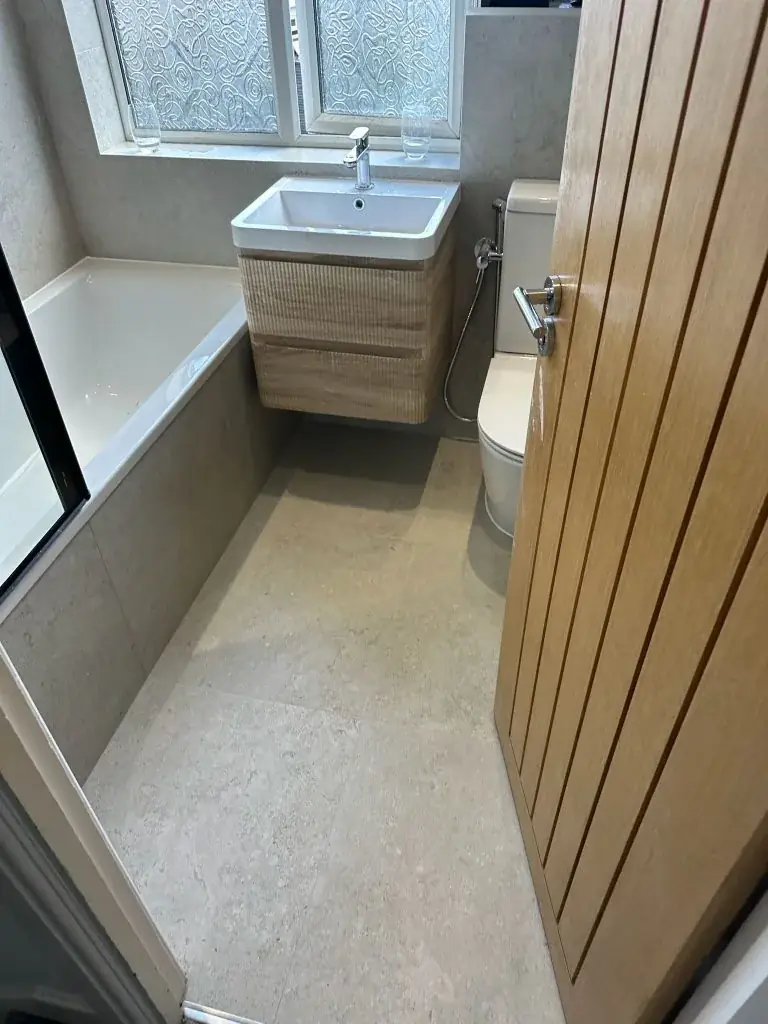
- 03Handles, hinges, latches and other hardware matched to the door’s intended use.
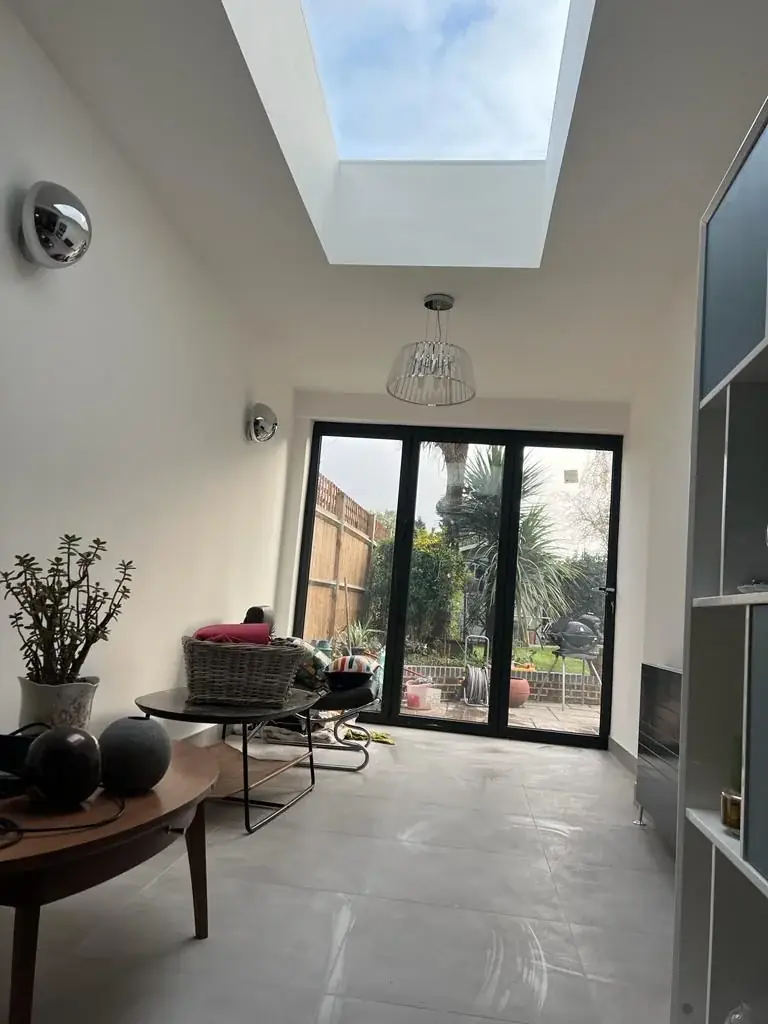
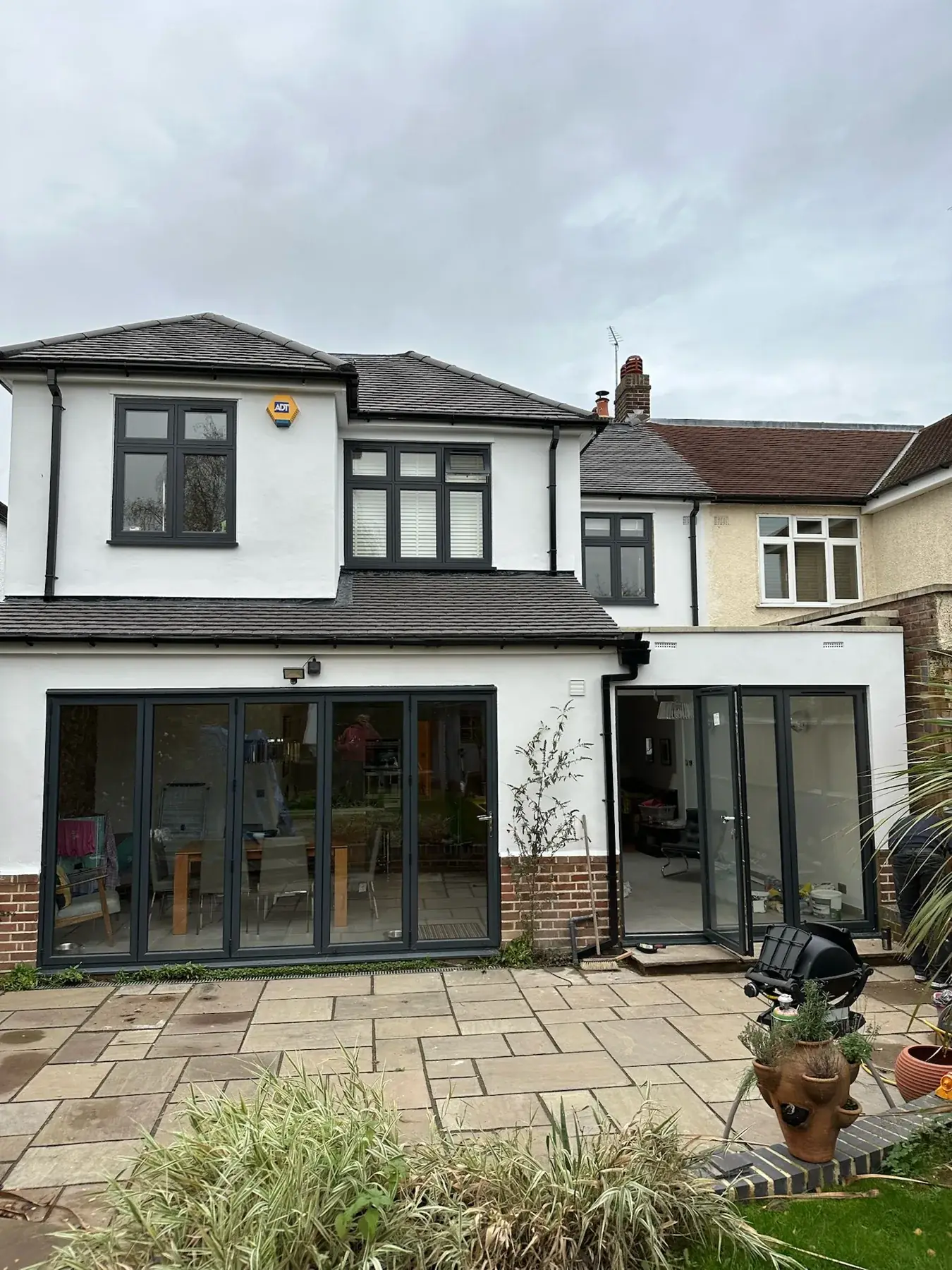
- 04External door or altered-opening enquiries assessed with the relevant installation requirements.

Can an existing frame usually be kept?
Sometimes, but only if it is sound, true and suitable for the new door. A survey should check the frame condition, clearances and whether the surrounding finishes allow a clean fit.
What does hardware need to match?
It needs to match the door’s purpose and the conditions of use. A frequently used internal door, a storage door or an external entrance will each need different hinges, handles or latches.
Why separate an altered opening from a normal door swap?
Because an altered opening may involve joinery changes, making-good and possibly different approval checks. It is a different scope from replacing a leaf in an existing opening, so it should be written that way.
Planning and project guidance
- Article 4 Directions Heritage and conservation - Camden Council
- GOV.UK · Planning permission
- GOV.UK · Building regulations approval
- GOV.UK · Party walls and building work
Check the current guidance for your address before relying on a planning route. This guide is not a planning decision or a verified local case study.
Other services in Hampstead








