
Camden · North London
Plumbingin Hampstead.
Plumbing decisions affect far more than the position of a sink or basin. Once layouts change, the water supply, waste route, access to pipework and the condition of existing fittings all matter. The useful question is how the plumbing will serve the room after the building work is complete.
- Service
- Plumbing
- Neighbourhood
- Hampstead
- Borough
- Camden
- Next step
- Discuss your project
Your project brief
Work out the route for water and waste first
If a kitchen or bathroom is being moved or reconfigured, the pipe routes may need to change as well. That is why a survey should identify where existing supplies and drains run, what can be retained and what needs to be altered before finishes are fixed.
Drawings may show the final fixture positions but not the access needed to connect them. A written scope should record what is visible, what is assumed and what opening-up work may be required so nobody treats unknown pipework as already confirmed.
Hampstead local check for plumbing-led alterations
Camden’s conservation material includes Hampstead properties where permitted development rights are removed for certain changes. A plumbing project inside the home may not need planning on its own, but the exact address should still be checked if the work is tied to a larger scheme affecting the building’s character or listed status. The site, not the neighbourhood label, decides the route.
Design decisions
Keep the plumbing in step with the wider project
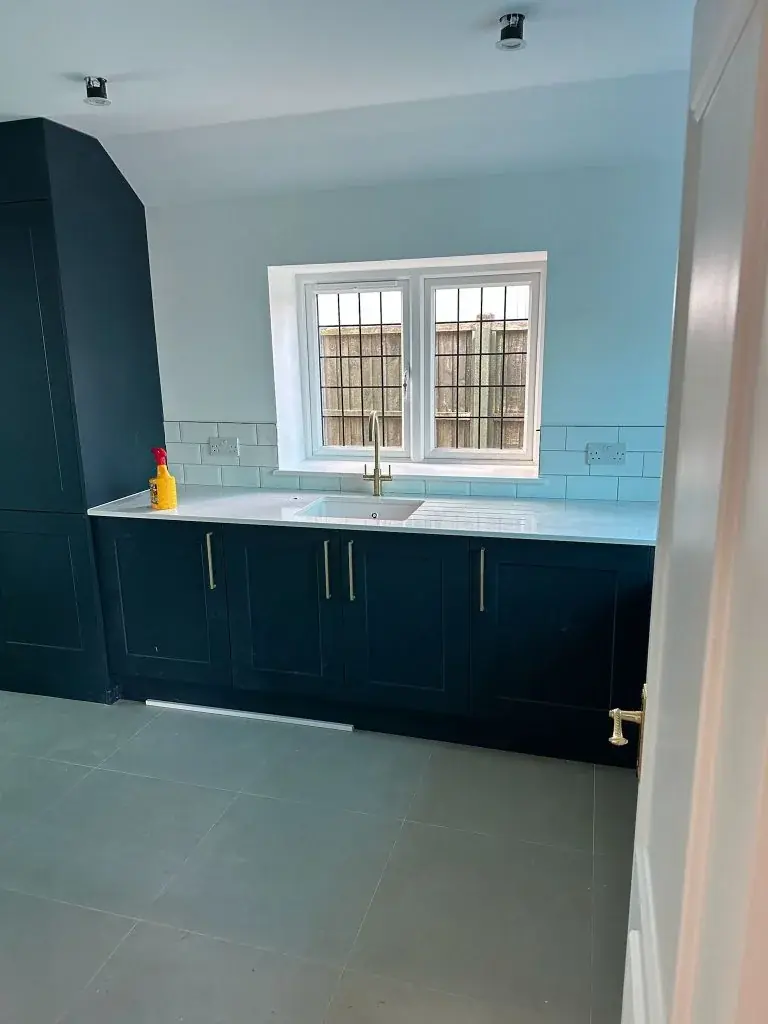
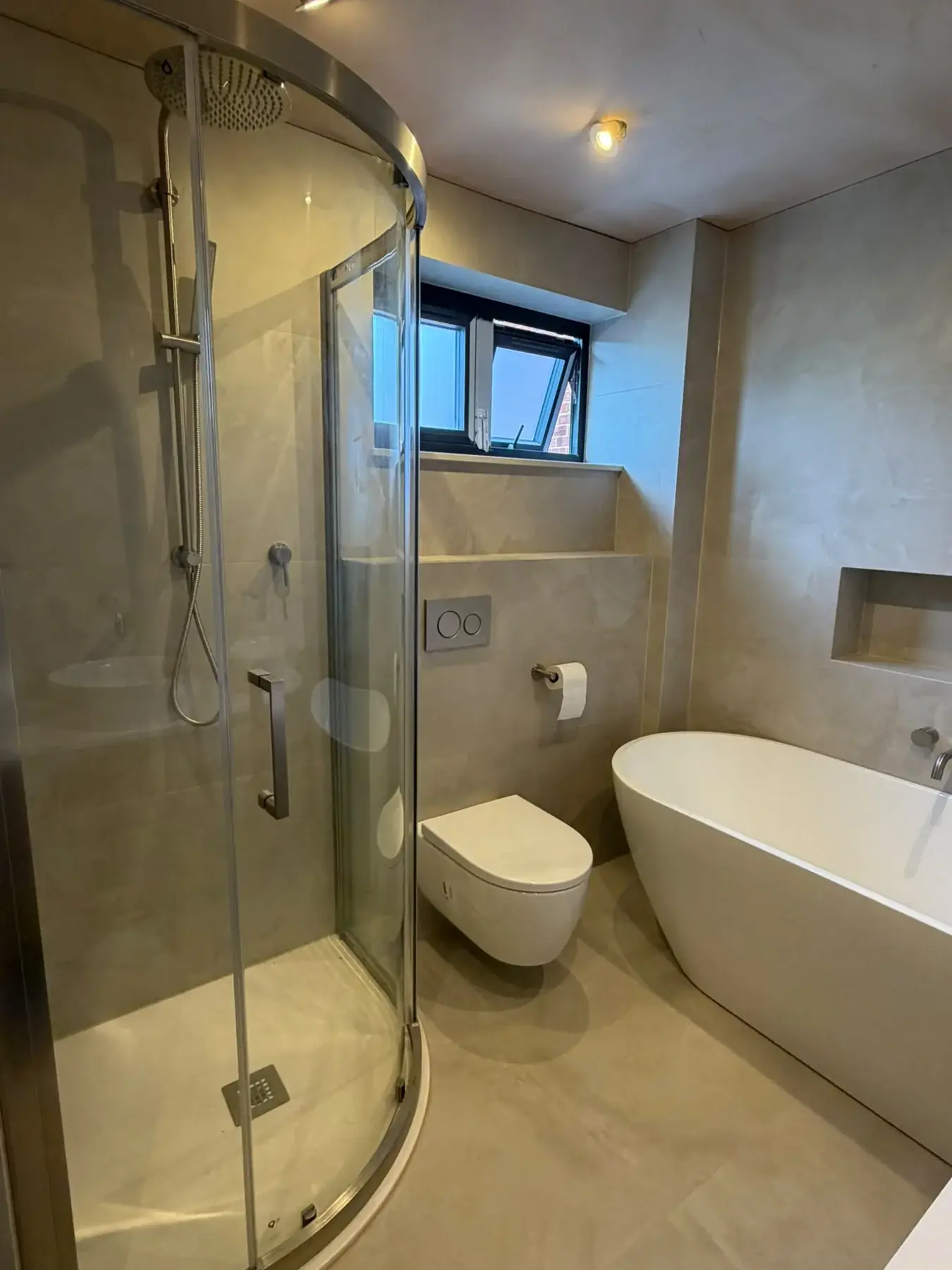
Plumbing is often one part of a larger refurbishment, so it has to line up with plastering, flooring, cabinets and tiling. First-fix and second-fix stages should be named separately because the pipework under the surface is not the same as the final connection of fittings.
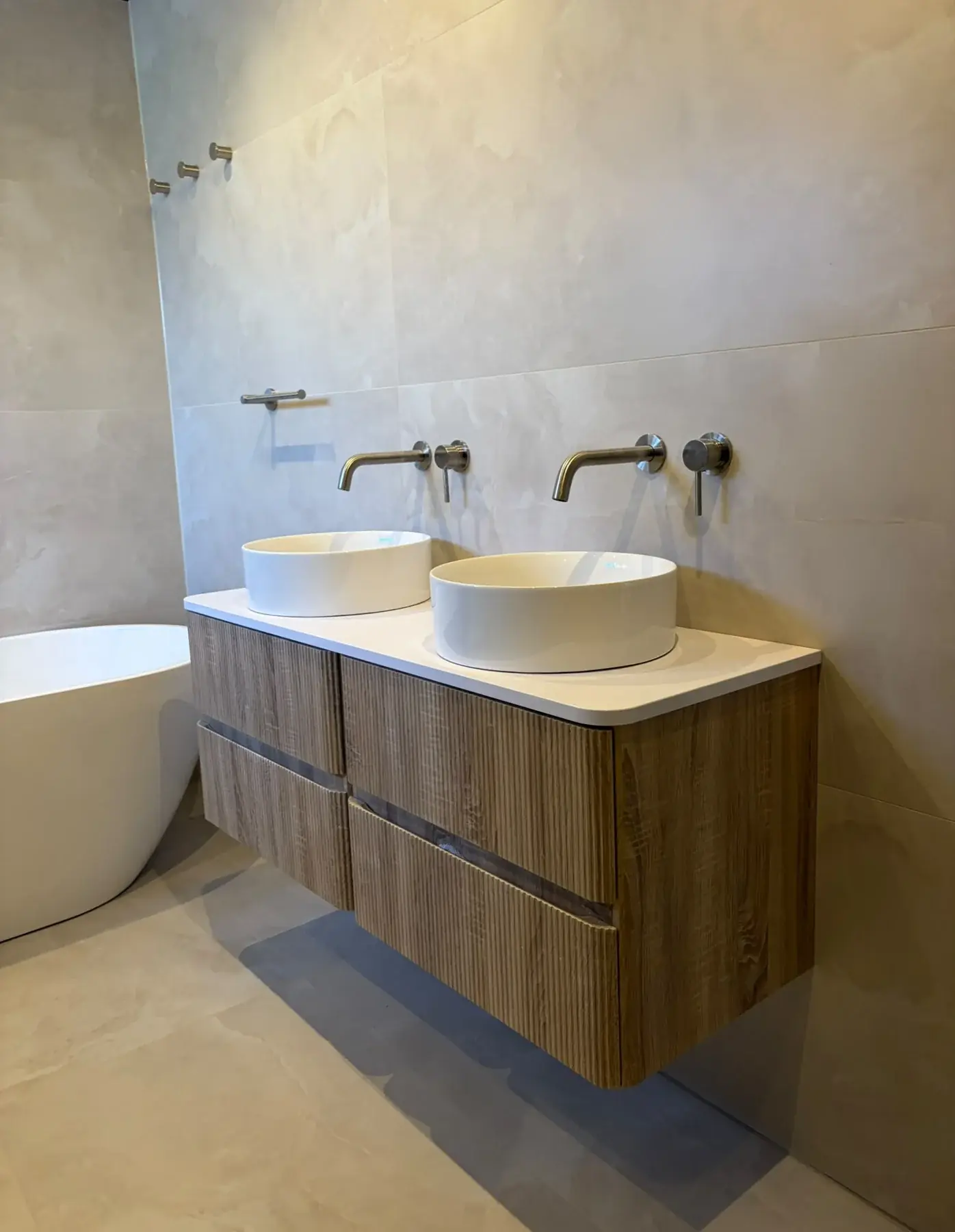
If a possible brief includes a new bathroom or kitchen, it helps to note who is providing sanitaryware, taps and associated accessories. That avoids uncertainty over whether the plumbing allowance includes only connection work or also the supply and setting out of the fittings.
Design checks
Four things we confirm before drawing plumbing work.
- 01Water supply and waste pipe alterations for agreed kitchen and bathroom layouts.
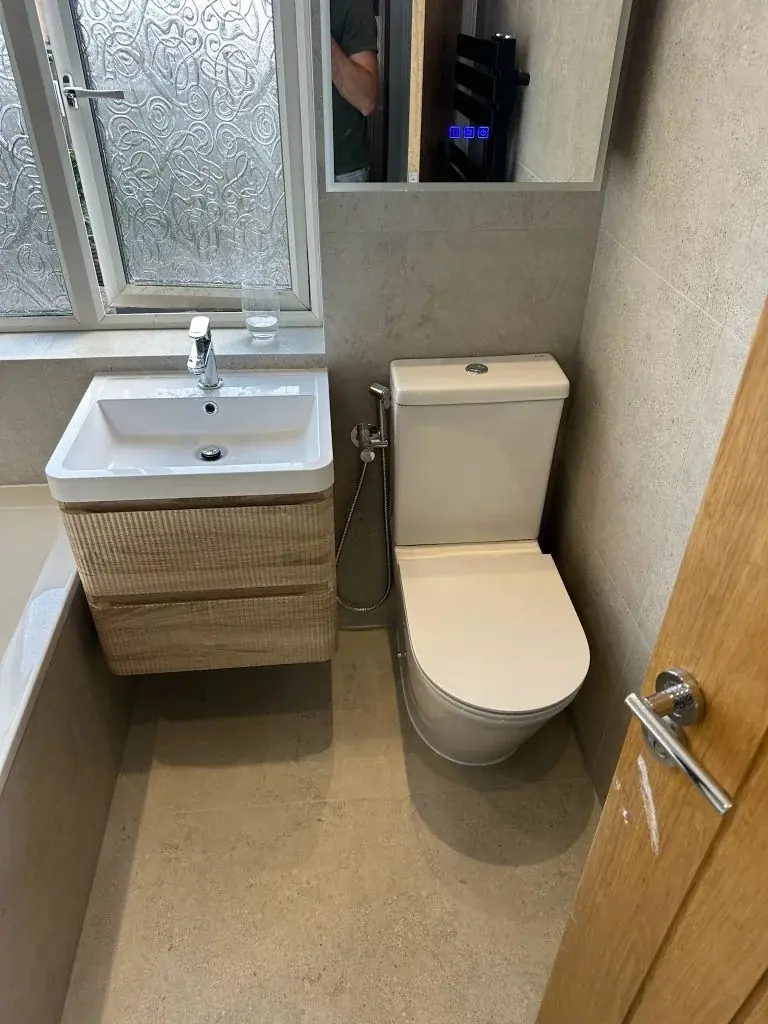
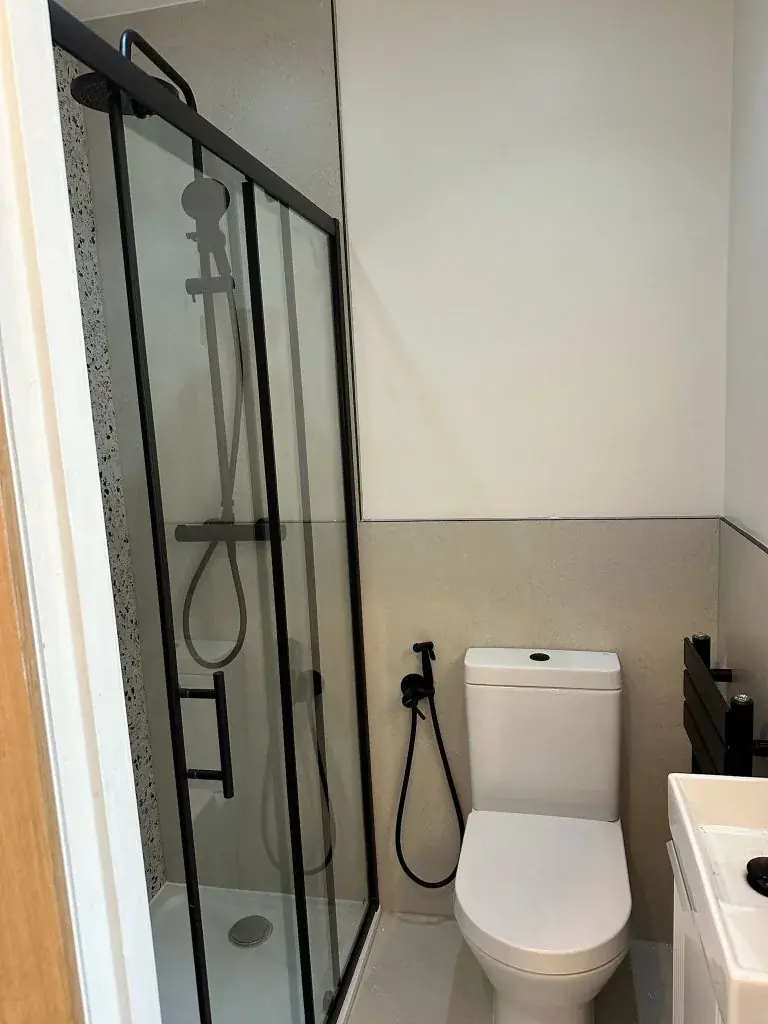
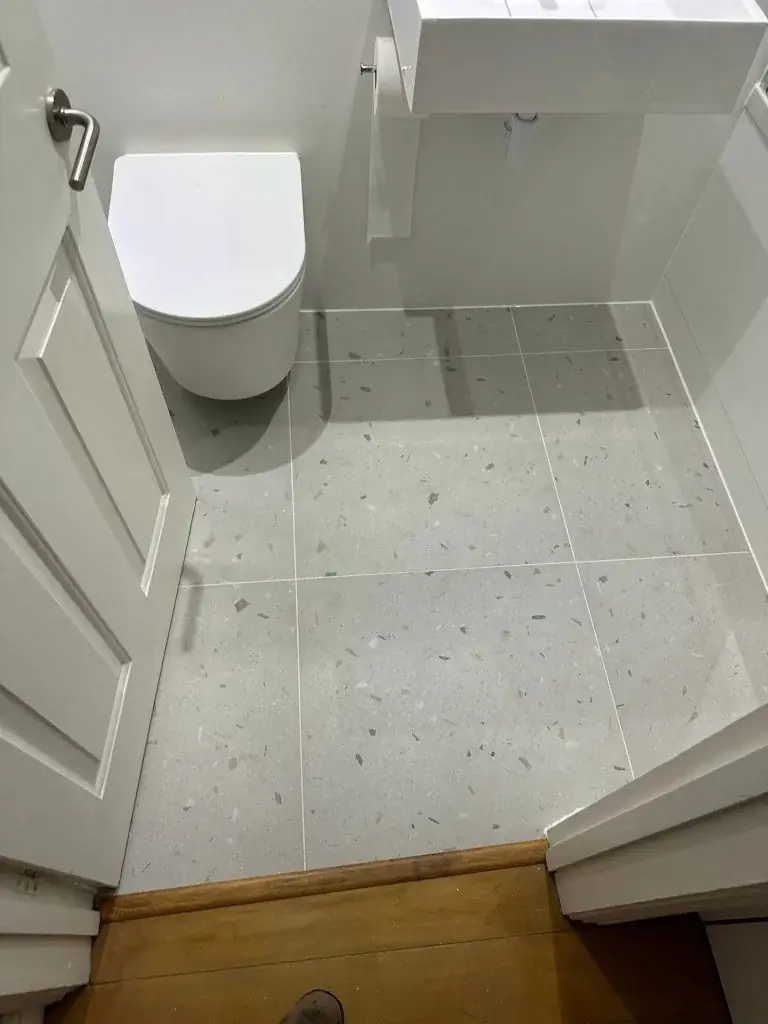
- 02Installation or replacement of sanitaryware, taps and associated connections.
- 03Plumbing first-fix and second-fix work coordinated with the surrounding building project.
- 04Assessment of accessible pipework and investigation of issues within an agreed scope.
What should be checked before moving a sink or basin?
The route of the waste, the available supply connections and how much access there will be for the work all need checking. A survey is what shows whether the move is straightforward or whether extra building work is needed to support it.
Why separate first-fix from second-fix plumbing?
Because they happen at different stages and depend on different parts of the room being ready. First-fix is about hidden routes and pipework; second-fix is the point where the visible fittings are connected and tested in their final positions.
How do I make assumptions clear in the scope?
State what has been assumed about existing pipework, access and drainage, then add a note that those points may change once the structure is opened up. That keeps the brief honest and helps avoid disputes over unforeseen work.
Planning and project guidance
- Article 4 Directions Heritage and conservation - Camden Council
- GOV.UK · Planning permission
- GOV.UK · Building regulations approval
- GOV.UK · Party walls and building work
Check the current guidance for your address before relying on a planning route. This guide is not a planning decision or a verified local case study.
Other services in Hampstead








