
Ealing · West London
Renderingin Hanwell.
Rendering is an external finish, but the wall beneath it determines whether the result will last. The first decision is not the texture or colour; it is whether the existing background is sound enough for a compatible system and whether any failed areas need repair first.
- Service
- Rendering
- Neighbourhood
- Hanwell
- Borough
- Ealing
- Next step
- Discuss your project
Your project brief
Check the wall before deciding on the render system
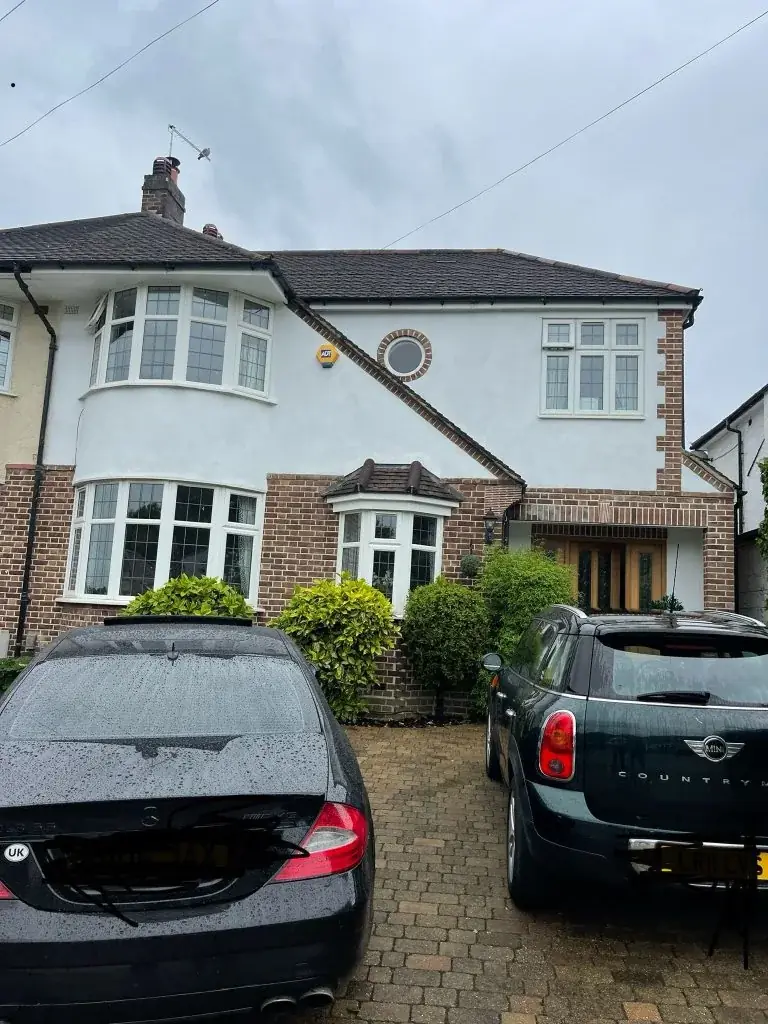
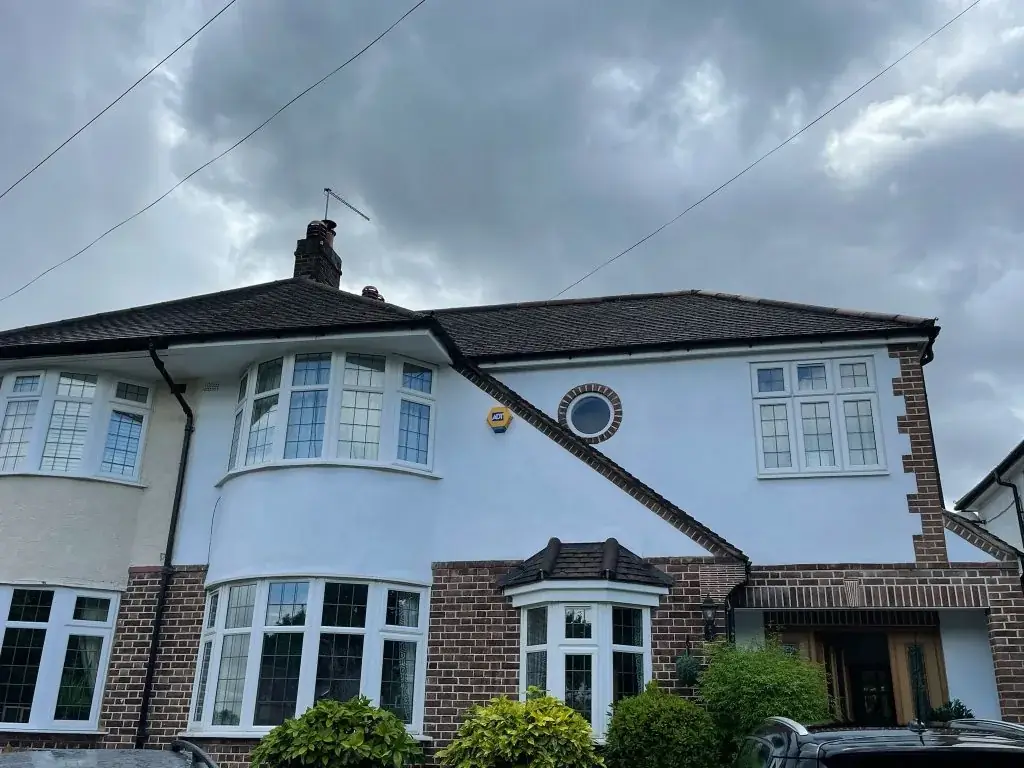
Different walls and existing finishes need different approaches. A good brief starts by identifying the background, the condition of any old render and the points where the wall meets windows, roof edges or other materials. Those junctions often show whether a simple repair or fuller replacement is needed.
If the wall has failed patches, the scope should state whether those are to be removed, stabilised or overhauled. That matters because a cosmetic coat over an unsound base may look acceptable at first but not solve the underlying problem. The render choice should follow the wall, not the other way round.
Hanwell checks before external rendering is agreed
The Ealing council material shows that some conservation areas have extra controls and that permitted development may be restricted there. It also states that exact-address checks are needed, so the status of a Hanwell property cannot be assumed from the borough name alone. For rendering, that means checking the site-specific planning position and the wall condition together before work is confirmed.
Design decisions
Plan the edges, openings and access before work starts
Rendering is rarely only about the main wall face. Reveals, corners, abutments and joints to adjoining materials all need consideration because they affect both the appearance and the weathering performance. If these details are not allowed for, the finish can be difficult to tie in neatly.
Access is also part of the project planning. External rendering usually requires safe working arrangements, and the scope should reflect the areas to be reached rather than assuming a universal treatment around the whole property. That keeps the job proportionate and easier to price properly.
Design checks
Four things we confirm before drawing external rendering.
- 01Assess the external wall background before choosing a render system.
- 02Identify any failed render or repairs needed at the outset.
- 03Allow for junctions at openings, roof edges and adjoining materials.
- 04Check whether site-specific local controls affect the external finish.
Why does rendering need an assessment of the existing wall?
Because the new finish must suit the structure underneath. If the wall is damp, unstable or badly patched, the render system may need different preparation or repair before it can perform properly.
What details are easy to overlook in a rendering brief?
Openings, corners, roof junctions and how the new finish meets other materials. These areas often determine how neat and durable the result will be, so they should be included from the start.
Is rendering the same as repainting an external wall?
No. Rendering changes the wall surface itself, while painting usually finishes an existing surface. They involve different preparation, different materials and different decisions about suitability.
Planning and project guidance
- Management within conservation areas | About conservation areas | Ealing Council
- GOV.UK · Planning permission
- GOV.UK · Building regulations approval
- GOV.UK · Party walls and building work
Check the current guidance for your address before relying on a planning route. This guide is not a planning decision or a verified local case study.
Other services in Hanwell








