
Harrow · West London
Renderingin Harrow.
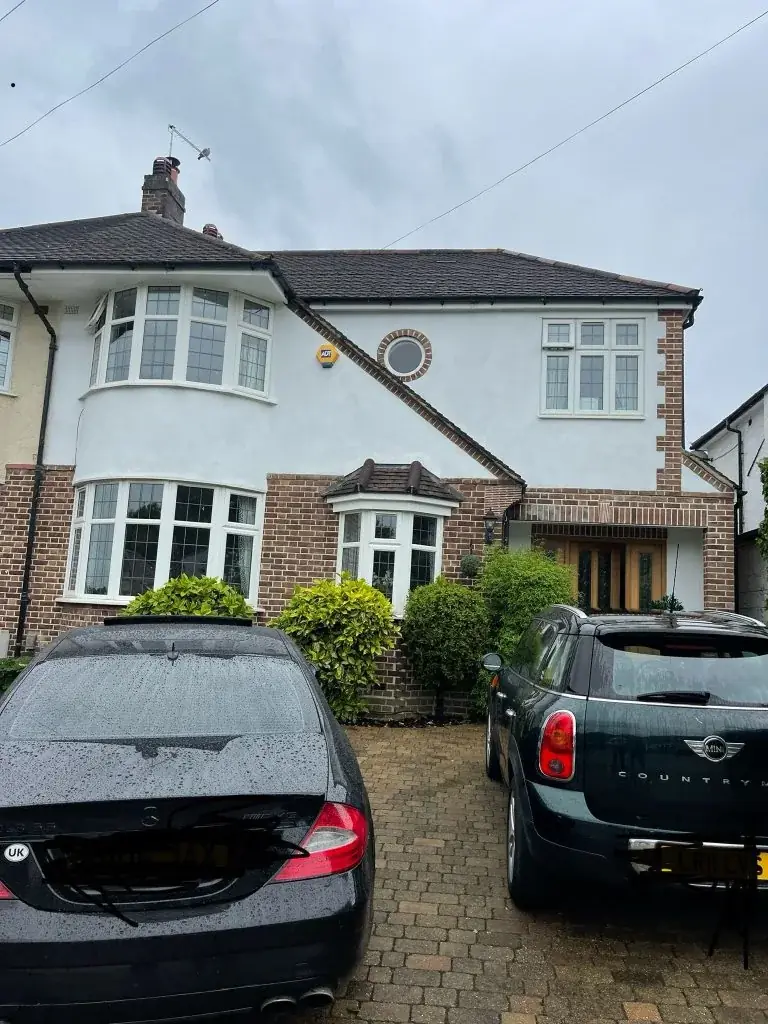
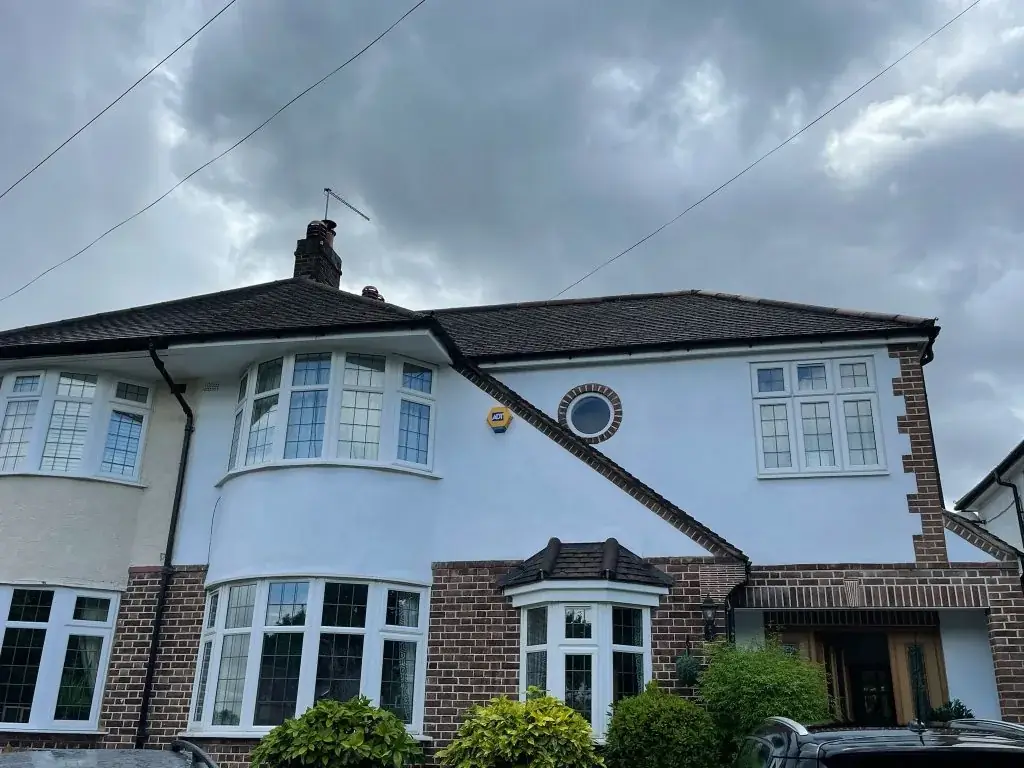
Rendering changes how an external wall performs and looks, but the finish has to suit the wall beneath it. A sound decision begins with the substrate, the existing coating and the edges where the wall meets openings, roofs and adjoining materials.
- Service
- Rendering
- Neighbourhood
- Harrow
- Borough
- Harrow
- Next step
- Discuss your project
Your project brief
Check the wall construction before choosing a render
Not every wall is suitable for the same render system. The existing background, the condition of any old coating and the moisture exposure all influence what should be applied. A good survey does not start with colour; it starts with compatibility and preparation.
If the wall has failed areas, the scope should say whether those parts will be removed, repaired or treated as part of a broader external upgrade. That helps avoid applying a new finish over a weak base.
Harrow checks for external wall changes
Harrow’s conservation-area page means the exact address should be checked before any external alteration is assumed to be unrestricted. A render job may be straightforward on one property and sensitive on another, depending on the building and its setting. For listed buildings, changes affecting character can need separate consent. The survey should record the wall condition and the approvals route before materials are chosen.
Design decisions
Plan the edges and junctions as carefully as the main surface
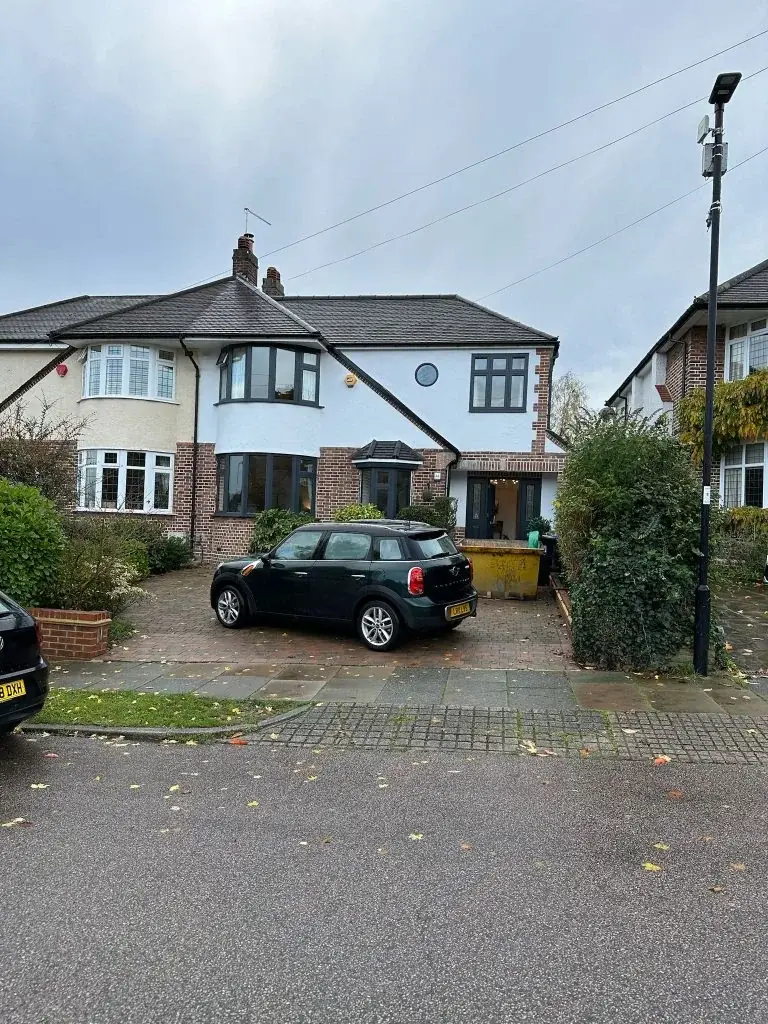
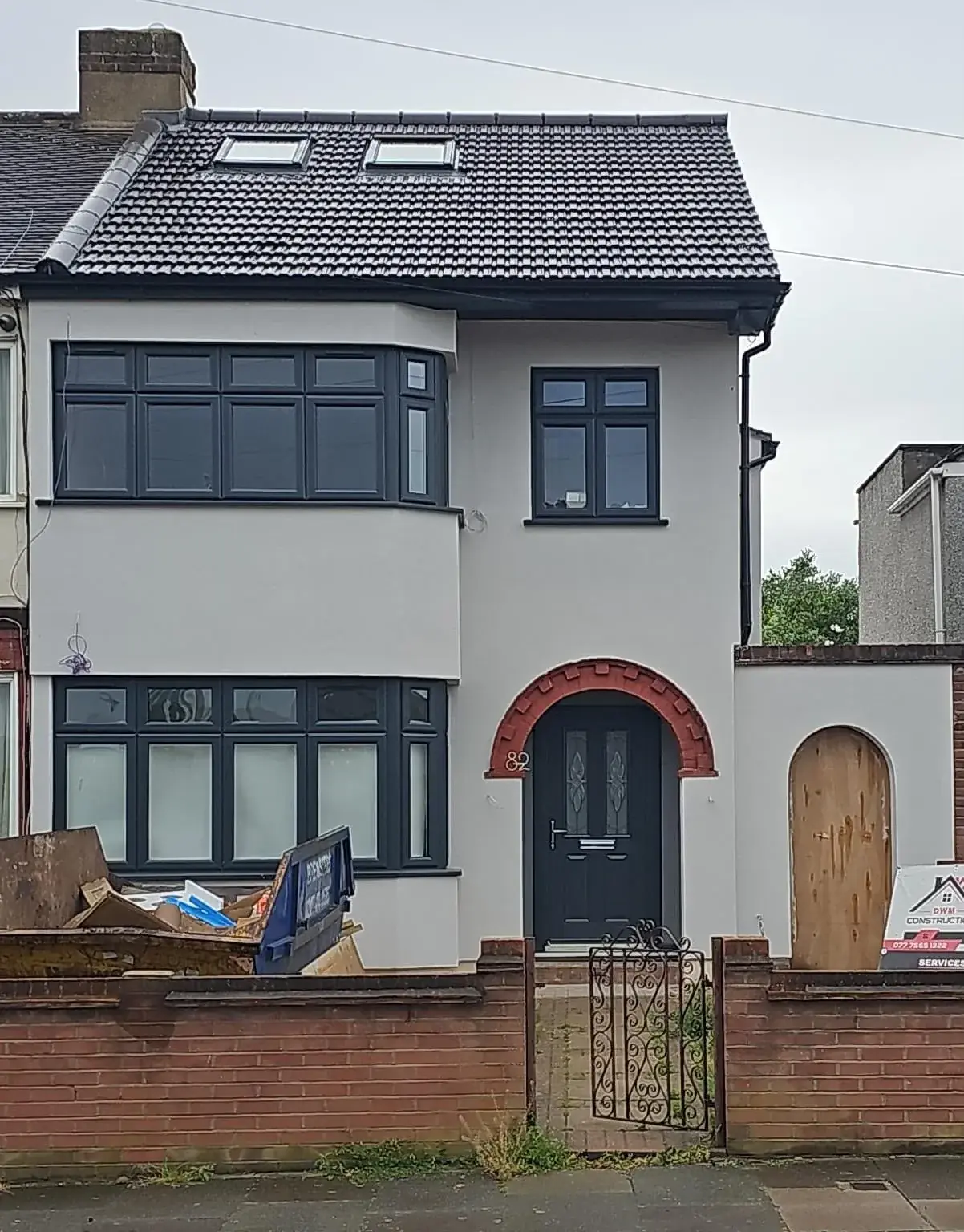
Rendering problems often appear at the joints. Openings, roof edges and interfaces with other materials need proper detailing so water does not find a way behind the finish. The scope should therefore include these areas rather than treating them as incidental extras.
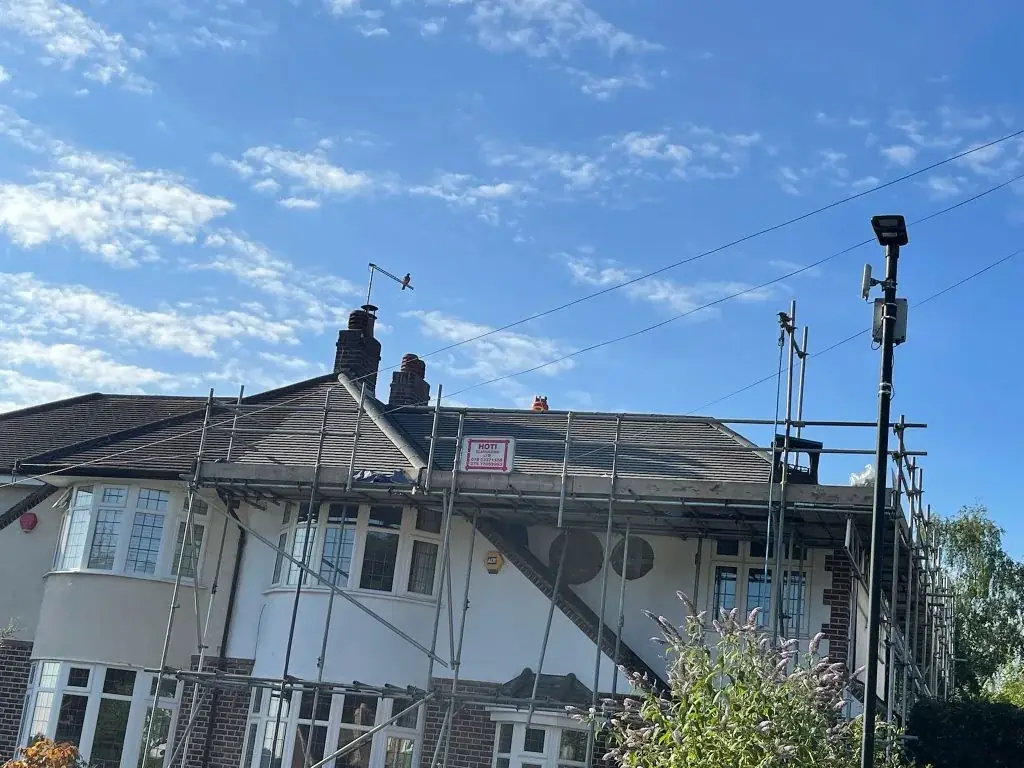
Access is also part of the decision. External work may need safe arrangements for upper levels or awkward walls, and that should be allowed for in the brief instead of being discovered late in the programme.
Design checks
Four things we confirm before drawing external rendering.
- 01Assessment and preparation of suitable external wall backgrounds.
- 02Removal or repair of failed render where the agreed approach requires it.
- 03Application of a specified render system with compatible details and finishes.
- 04Junctions around openings, roof edges and adjoining materials considered within the scope.
What makes a wall suitable for rendering?
It needs a compatible background, enough stability to take the new system and a condition that supports the chosen finish. The survey should identify any failed material, damp issues or movement before the render specification is fixed.
Why do junctions matter so much in rendering?
Because water often enters at the edges rather than the middle of the wall. Openings, roof lines and adjoining materials need careful detailing so the render does not fail at its weakest points.
Should render work be treated as just a cosmetic change?
No. It changes the external wall’s finish and depends on what is underneath. Good rendering is as much about preparation and compatibility as it is about appearance, especially where the existing surface is already damaged or unsuitable.
Planning and project guidance
- Conservation areas and Article 4 – London Borough of Harrow
- GOV.UK · Planning permission
- GOV.UK · Building regulations approval
- GOV.UK · Party walls and building work
Check the current guidance for your address before relying on a planning route. This guide is not a planning decision or a verified local case study.
Other services in Harrow








