
Barnet · North London
Doorsin Hendon.
A door is only as good as the opening around it and the purpose it serves. The useful decision is whether the existing frame can stay, whether the opening needs adjustment, and how the hardware and clearances support everyday use.
- Service
- Doors
- Neighbourhood
- Hendon
- Borough
- Barnet
- Next step
- Discuss your project
Your project brief
Decide whether the frame earns the right to stay
If an existing frame is sound, square and suits the new door, retaining it can reduce disruption and preserve the surrounding finishes. But if the frame is twisted, the opening is badly out or the door no longer serves the room properly, replacement may be the better choice.
The decision should also reflect the room’s use. An internal bedroom door, a cupboard door and an external entrance door have different demands on privacy, clearance, security and hardware. A one-size approach rarely works well.
Hendon checks before door changes
Barnet’s conservation-area information names Hendon Church End and Hendon The Burroughs, and mentions that some conservation areas have Article 4 directions. That does not tell you whether your exact address is affected, so the property must be checked individually. If the building is listed, changes affecting character may need separate consent. Planning and building-control matters remain distinct from joinery decisions.
Design decisions
Consider what the opening needs to do after the work is finished
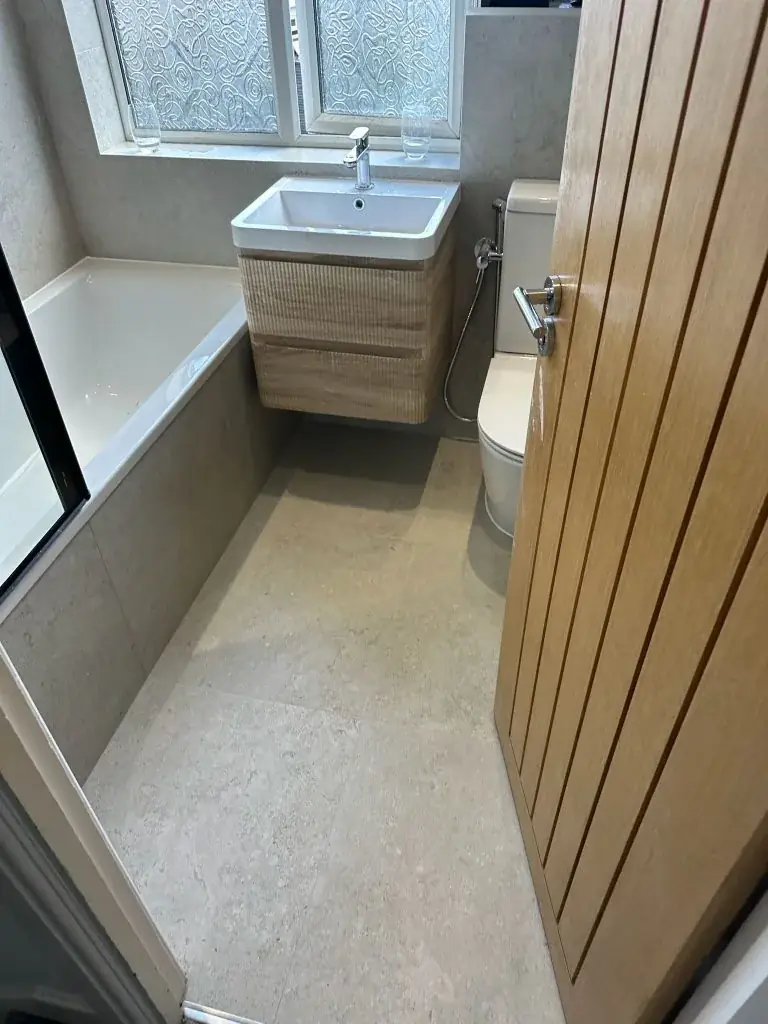
If the opening is being altered, the scope should cover the lining, architraves and making good around the new work. That is important because a neat door fitted into a rough surround still looks unfinished and can affect how the room functions.
Hardware should be selected for the door’s purpose, not as an afterthought. Hinges, latches and handles all influence how the door feels and performs, and external or fire-related requirements may call for particular specification decisions.
Design checks
Four things we confirm before drawing door installation.
- 01Confirm whether the existing frame can be retained or should be replaced.
- 02Check the opening for squareness, clearances and final use.
- 03Choose hardware to suit privacy, access, security or fire-related needs.
- 04Include lining, architraves and making good where the opening changes.

How do I know if my existing door frame can be kept?
If it is sound, properly aligned and compatible with the new door’s size and use, it may be worth keeping. If not, replacing it can avoid later problems with clearance and finish.
Why should hardware be decided before the door is ordered?
Because hinges, latches and handles affect the door specification and how it will work in the room. Leaving them too late can lead to awkward adjustments or an unsuitable final result.
What should be included if the opening itself is changing?
The scope should cover the new lining, trims, architraves and the making good around them. That ensures the door is considered as part of the whole opening, not just the leaf alone.
Planning and project guidance
- Conservation areas | Barnet Council
- GOV.UK · Planning permission
- GOV.UK · Building regulations approval
- GOV.UK · Party walls and building work
Check the current guidance for your address before relying on a planning route. This guide is not a planning decision or a verified local case study.
Other services in Hendon








