
Kingston upon Thames · South London
Renderingin Kingston.
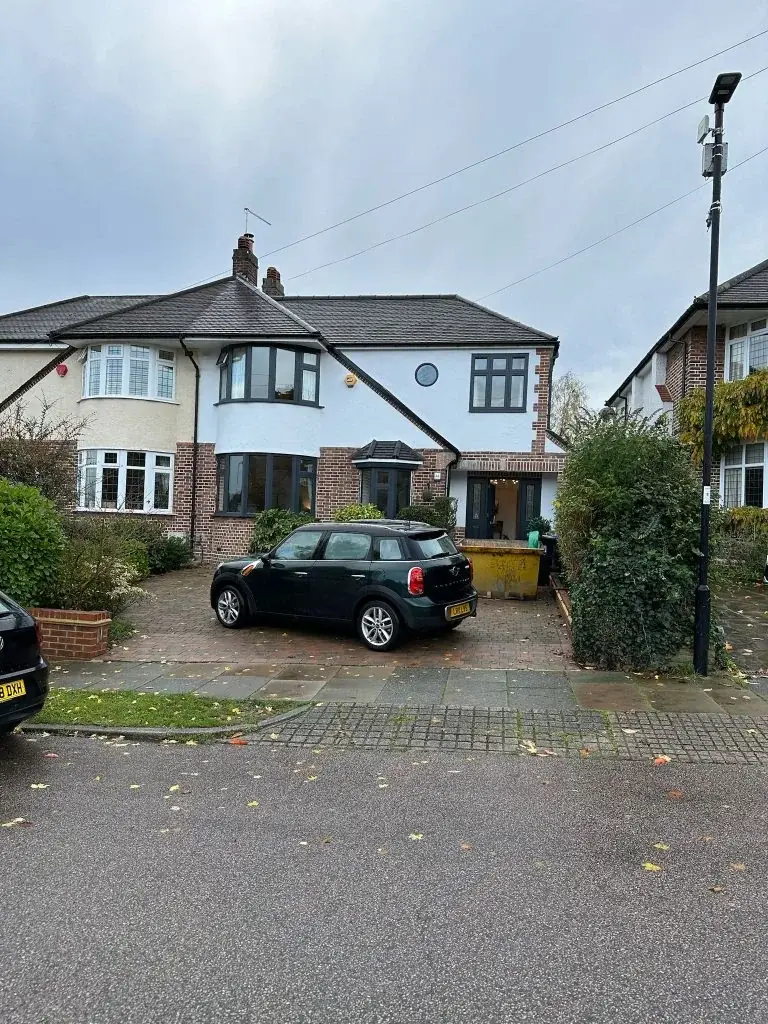
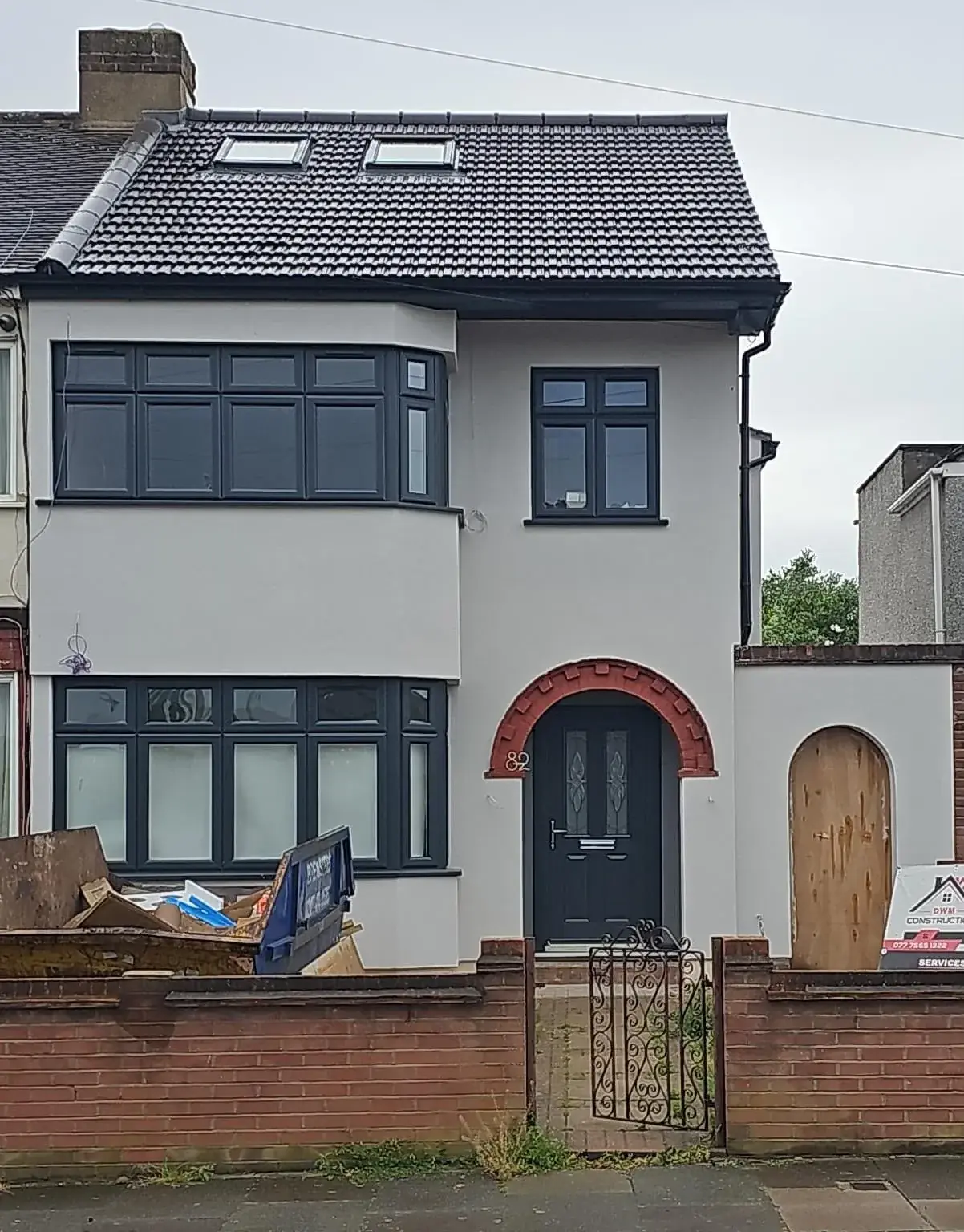
Rendering changes the look of an exterior wall, but the real decision is whether the wall can accept the proposed system. The background, the existing finish and the weather exposure all influence how the render should be specified and detailed.
- Service
- Rendering
- Neighbourhood
- Kingston
- Borough
- Kingston upon Thames
- Next step
- Discuss your project
Your project brief
Match the render system to the wall beneath it
A wall that is sound and compatible with the new finish may only need preparation and careful detailing. If the existing render is failing or the background is not suitable, the scope may need removal, repair or a different system that suits the wall better.
That choice should be made early, because render is part of the building envelope. The wrong system can create defects at joints or around openings, so the substrate needs to be checked before the finish is treated as a simple cosmetic upgrade.
Kingston checks for rendering near heritage-sensitive sites or protected trees
Kingston upon Thames council highlights heritage policies, conservation areas, Article 4 directions and protected trees where relevant. Rendering itself is not automatically restricted, but the exact property needs checking if the work is close to a heritage asset or a sensitive boundary. Borough guidance is only a starting point and does not prove that every external wall is unrestricted.
Design decisions
Treat openings, edges and adjacent materials as part of the design
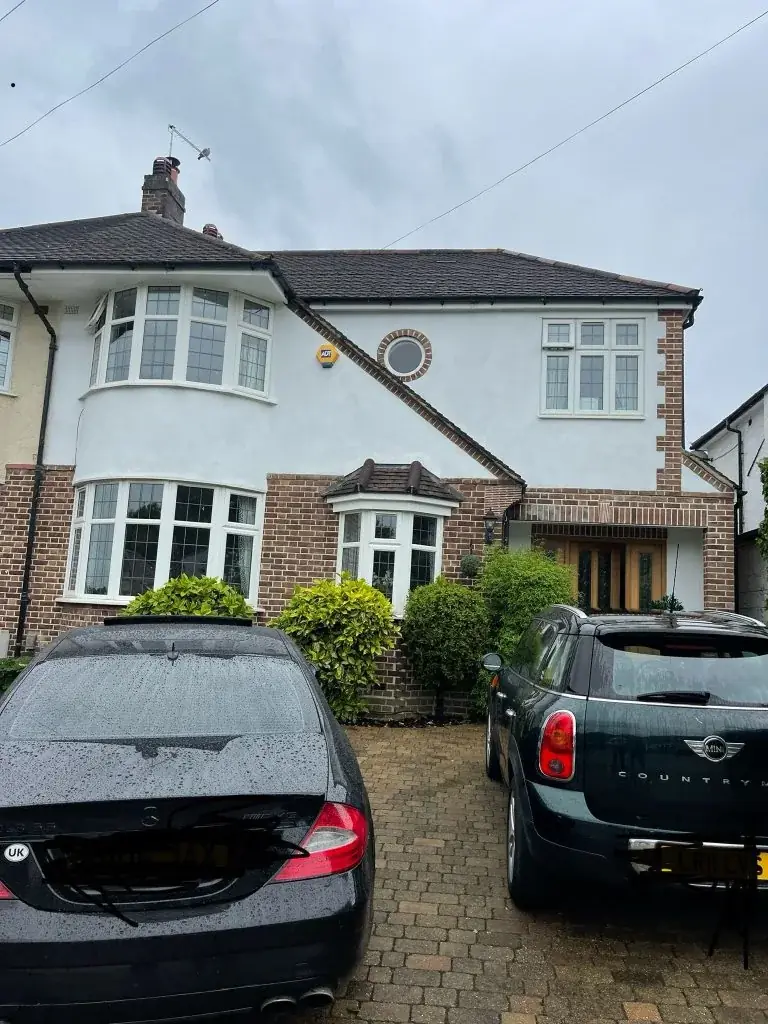
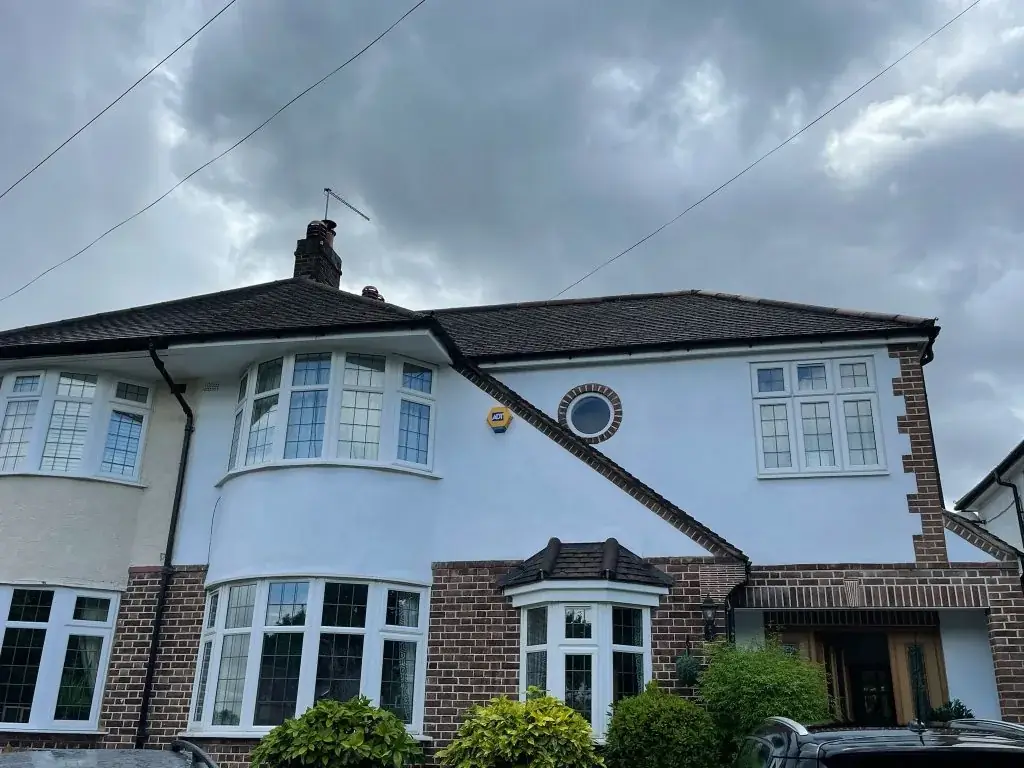
Junctions around windows, doors, roof edges and adjoining materials are often where rendering succeeds or fails. These edges need to be thought through in the same brief as the main wall, not left to site improvisation.
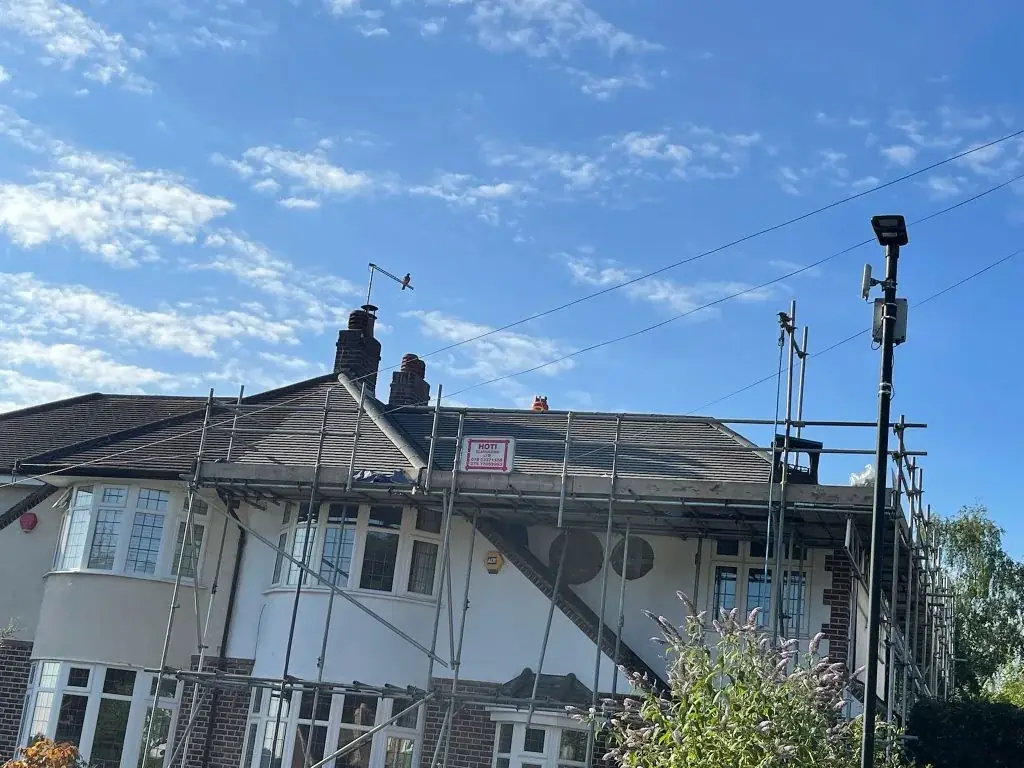
The same principle applies to access and external appearance. If the wall is exposed or difficult to reach, the method, sequencing and temporary protection should be planned so the finish can be applied consistently and the surrounding features are not damaged.
Design checks
Four things we confirm before drawing external rendering.
- 01Inspect the wall background and existing finish before choosing a render system.
- 02Decide whether removal, repair or compatible overlay is needed.
- 03Detail openings, roof edges and adjoining materials in the same scope.
- 04Check access and exposure so the work can be carried out safely and evenly.
Why can’t render be chosen only for appearance?
Because the wall underneath has to suit the material. Compatibility, preparation and junction detailing all affect whether the render will last and behave properly outside.
What parts of a rendered wall need the most design attention?
The edges and junctions: around openings, roof lines and where the render meets other materials. Those areas often show the quality of the whole system.
Should a render repair be treated the same as a full re-render?
Not necessarily. Some walls need local repair, while others need a wider change to the system. The extent of failure and the condition of the background should determine the approach.
Planning and project guidance
- Planning policy and guidance | Royal Borough of Kingston upon Thames
- GOV.UK · Planning permission
- GOV.UK · Building regulations approval
- GOV.UK · Party walls and building work
Check the current guidance for your address before relying on a planning route. This guide is not a planning decision or a verified local case study.
Other services in Kingston








