
Lewisham · South London
Gardensin Lewisham.
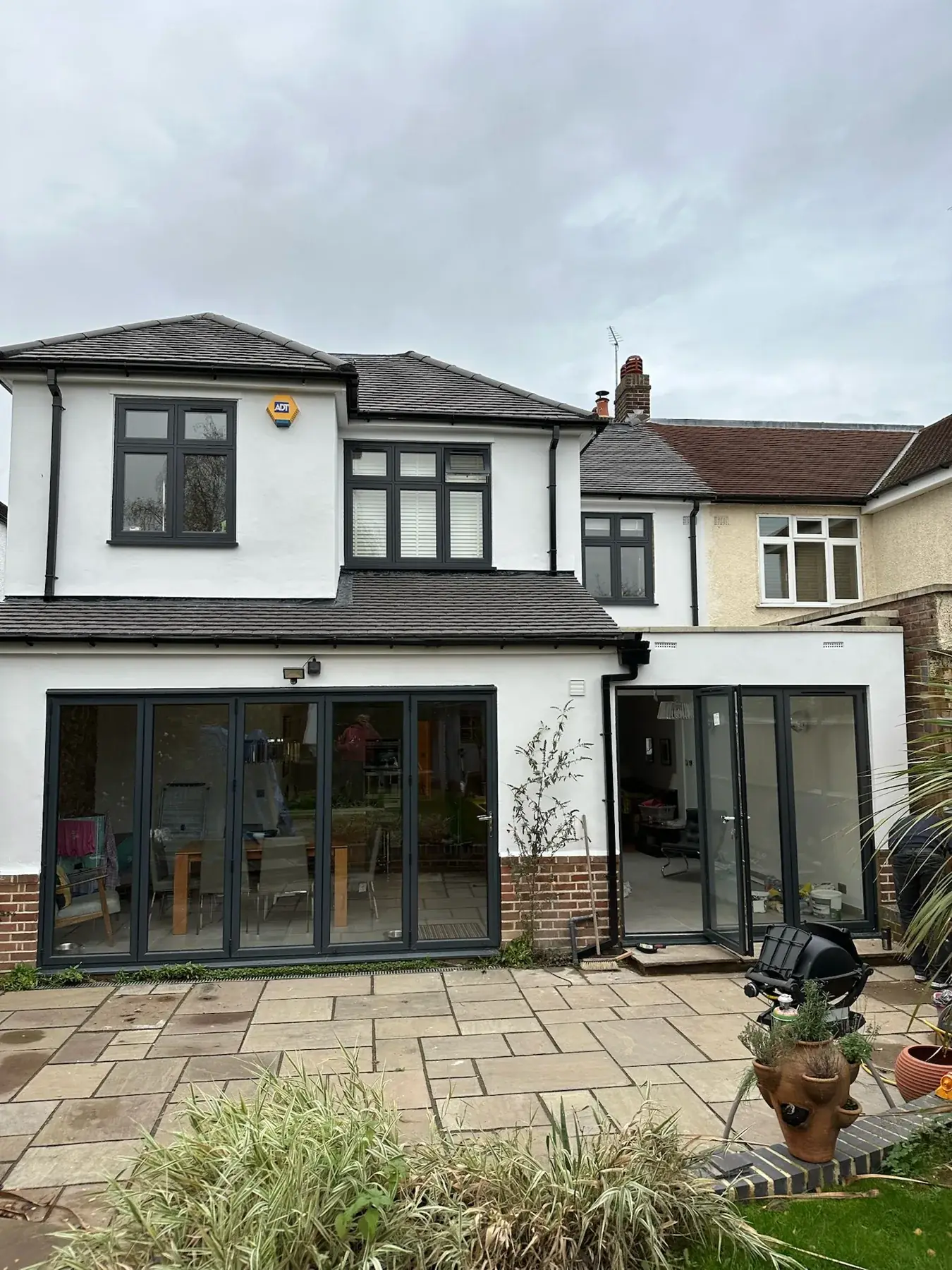
A garden works best when it supports the way the house is used. The question is not only what to add outside, but what to retain, how people move through the space and how the garden connects to the rooms that open onto it.
- Service
- Gardens
- Neighbourhood
- Lewisham
- Borough
- Lewisham
- Next step
- Discuss your project
Your project brief
Decide what the garden needs to do day to day
Some gardens need better circulation from the house to the far end; others need storage for bins, bikes or tools; others mainly need a more practical surface for sitting or family use. Those needs should drive the design before any paving or fencing is chosen. If the route from the house is awkward, reshaping it may matter more than adding new planting.
Retaining useful features can be just as valuable as replacing them. A sound path, a good gate position or a level change that already works may deserve to stay. Reconfiguring these elements only makes sense when the new arrangement genuinely improves access, use or maintenance.
Lewisham checks for garden work at a specific address
Lewisham’s conservation-area information should be treated as a search point, not proof that every nearby garden is restricted. The exact address matters, especially where fencing, gates, walls or other external changes are involved. If the garden forms part of a wider refurbishment, check whether any external changes, listed-building issues or neighbour boundaries need separate attention before work starts.
Design decisions
Treat drainage and levels as part of the design
Garden work is easier to live with when the surface levels, drainage and hard landscaping are considered together. If the ground falls toward the house or traps water in the wrong place, the finish may look neat but still feel awkward in use. Good planning makes the outdoor space feel connected to the home rather than left over from it.
Design checks
Four things we confirm before drawing garden improvements.
- 01Confirm how the garden should be used before choosing paving, planting or storage features.
- 02Check which existing paths, levels and access points are worth retaining.
- 03Assess drainage and surface-water movement alongside the proposed layout.
- 04Establish boundary positions and ownership before specifying fences or gates.
What should come first in a garden improvement plan?
Start with use: access, sitting space, storage and how the garden connects to the house. Once those needs are clear, it is easier to decide where paths, levels and materials should go without creating awkward routes or dead space.
Do all garden works need the same level of checking?
No. The checks depend on what is being changed. A new path, gate or boundary feature needs different information from a planting refresh, while drainage or level changes need more careful assessment because they affect how the space performs.
When is it better to retain an existing feature?
When it already supports the layout and is in sound condition. Keeping a useful path, level change or access point can save cost and preserve the way the garden works, provided it still suits the finished home.
Planning and project guidance
- Lewisham Council - Conservation areas
- GOV.UK · Planning permission
- GOV.UK · Building regulations approval
- GOV.UK · Party walls and building work
Check the current guidance for your address before relying on a planning route. This guide is not a planning decision or a verified local case study.
Other services in Lewisham








