
Berkshire · Newbury · Town service guide
Plumbingin Newbury.
Plumbing decisions are easier to make before finishes go on and cupboards are fixed. The important questions are where supplies and wastes can run, what existing pipework can be reused, and which parts of the layout need checking before anything is boxed in.
- Service
- Plumbing
- Town / city
- Newbury
- County
- Berkshire
- Next step
- Discuss your project
Your project brief
Plan the route, not just the fitting position
Moving a sink or adding a bathroom changes the hidden routes as much as the visible fixtures. Water pressure, pipe size, drainage falls and accessible isolation points all shape what is practical. A neat layout on paper can still fail if the pipework cannot serve it well.
Drawings rarely reveal old joints, hidden leaks or restricted access behind walls and floors. A survey should establish what can be inspected, what might need opening up and whether the existing service route can support the new arrangement without creating future maintenance problems.
Newbury checks before plumbing changes are agreed
West Berkshire Council’s Newbury Town Centre conservation-area appraisal and management plan may form part of the local evidence where the address is within the relevant area or setting, but it does not decide the service route or the suitability of the existing pipework. Check the exact boundary and any property-specific controls for the house itself. Keep drainage, pressure and ground conditions separate from heritage considerations, and supply the postcode and current plans so the assumptions are written down.
Design decisions
Write the scope around first-fix and second-fix stages
The brief should distinguish first-fix pipework from the final installation of sanitaryware and fittings. That helps coordinate the plumbing with other trades and makes clear when walls can be closed and when final connections can be made. It also reduces confusion over who supplies which parts.
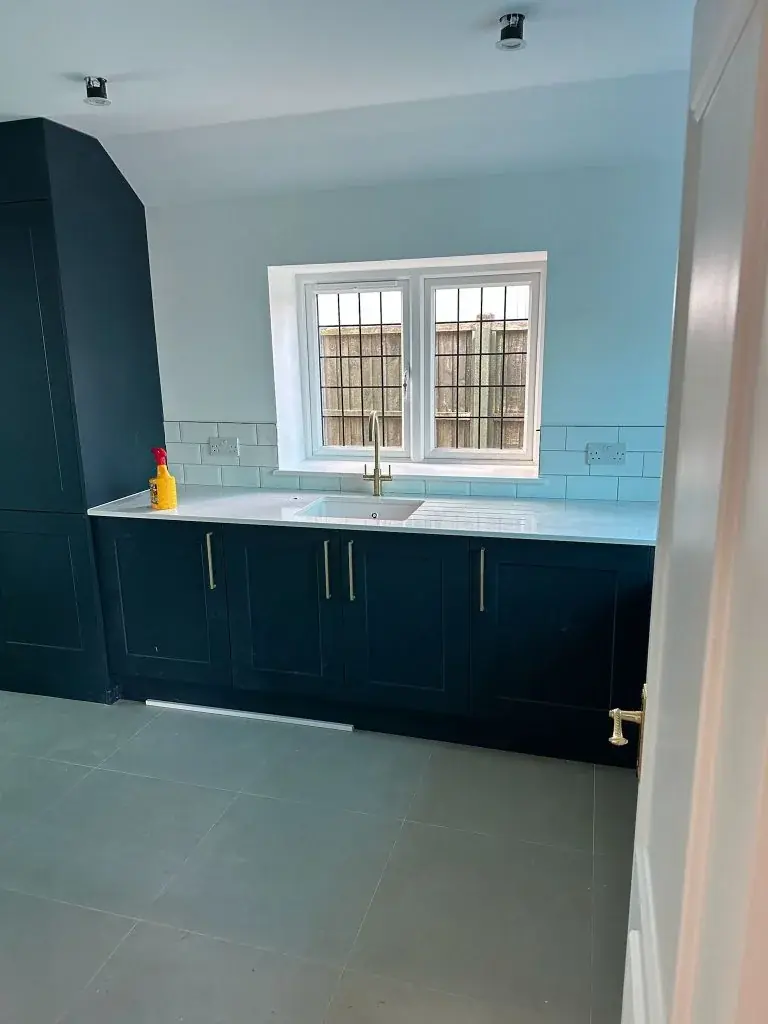
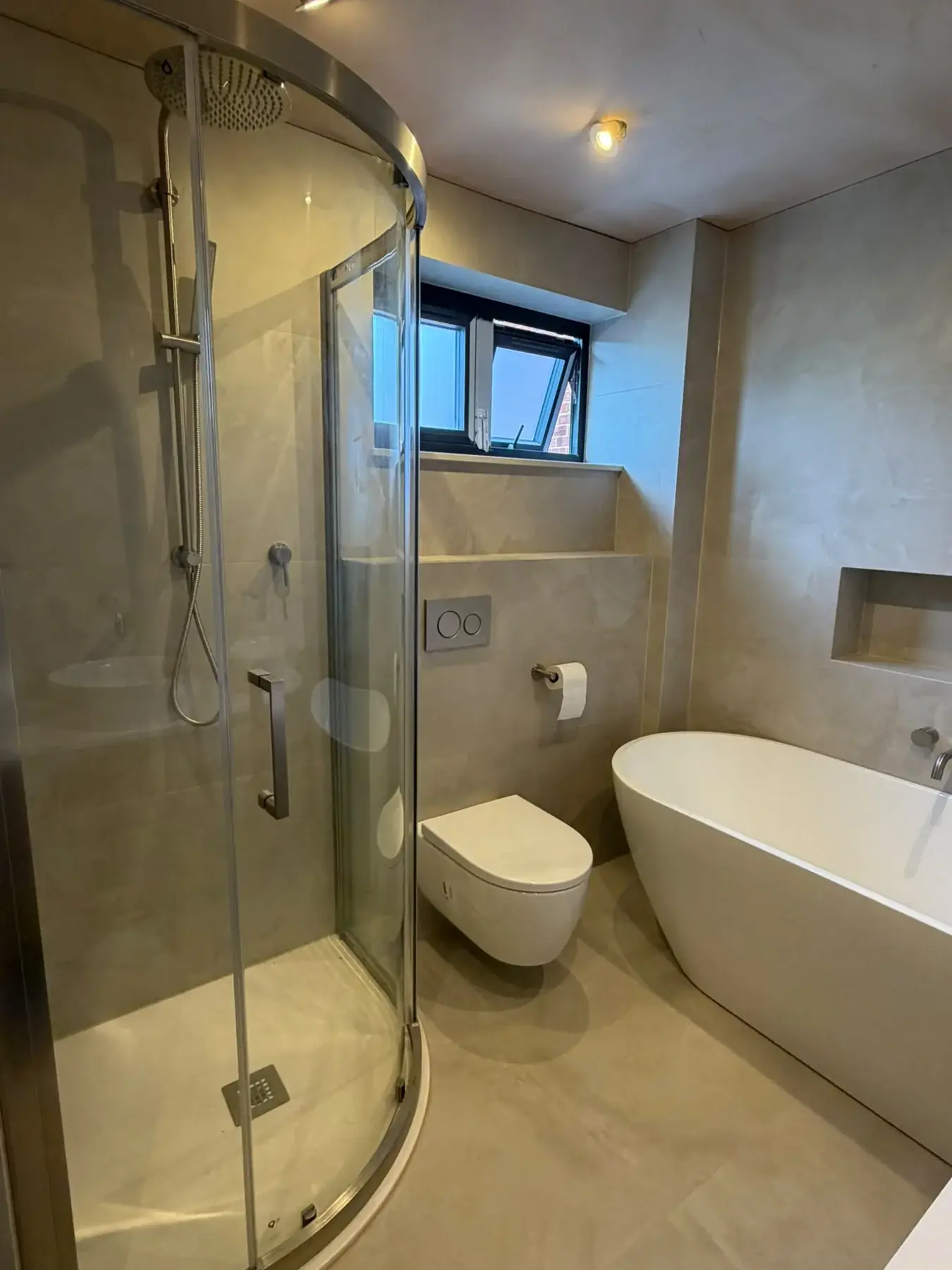
If the works include a kitchen or bathroom refurbishment, note any interruption to essential services and how long that is expected to affect the household. A written scope should also record maintenance access, because a valve or trap hidden behind a finished panel can become an issue later if nobody planned for it.
Design checks
Four things we confirm before drawing plumbing work.
- 01Check water supply, waste routes and available isolation points.
- 02List any hidden pipework, leaks or access openings to inspect.
- 03Separate first-fix pipework from final fitting and connection.
- 04Record service interruptions and maintenance access in the scope.
What can drawings miss on a plumbing project?
They can miss pipe condition, hidden leaks, cramped access and awkward falls on wastes. Those practical issues often only become clear once a survey opens up the relevant areas, which is why the written scope should allow for confirmed and provisional items.
Why does maintenance access matter for plumbing?
Because valves, traps and joints may need future attention. If they are buried behind fixed cabinetry or finished panels without thought, a minor repair can become disruptive. Good planning keeps key parts reachable while still allowing the room to look finished.
How should plumbing assumptions be written down?
State what is known, what is assumed and what remains to be confirmed after opening up. That could include pipe routes, isolation points, pressure, drainage falls or the condition of old pipework. Clear wording makes later variation easier to manage.
Planning and project guidance
- West Berkshire Council · Newbury Town Centre conservation appraisal and management plan
- GOV.UK · Planning permission
- GOV.UK · Building regulations approval
- GOV.UK · Party walls and building work
Check the current guidance for your address before relying on a planning route. This guide is not a planning decision or a verified local case study.
Other services in Newbury








