
Southwark · South London
Renderingin Peckham.
Rendering changes how an external wall looks, but the right finish depends on what the wall is made of and how it has already been treated. The main decision is whether the wall needs repair, a compatible new system or careful attention at junctions before any coat goes on.
- Service
- Rendering
- Neighbourhood
- Peckham
- Borough
- Southwark
- Next step
- Discuss your project
Your project brief
Start with the wall beneath the finish
A render project should begin with the existing background. If the wall is sound and only the appearance needs improving, the specification may be straightforward. If the background is failed, damp, cracked or incompatible with the proposed system, the work must start with diagnosis and preparation rather than the finish colour or texture.
That matters because render is not a one-size-fits-all solution. The wall’s condition, previous coatings and the intended result all affect the choice. A render that suits one wall may be wrong for another if the substrate cannot support it properly.
Southwark checks for Peckham render work
Southwark states that conservation areas are protected through the planning process and that Article 4 directions in several conservation areas can mean some alterations need permission. That is not a blanket rule for all external work in Peckham. The exact address should be checked against the relevant records before render changes are agreed, especially where the property may have listed-building or other controls.
Design decisions
Detail the junctions as carefully as the main wall
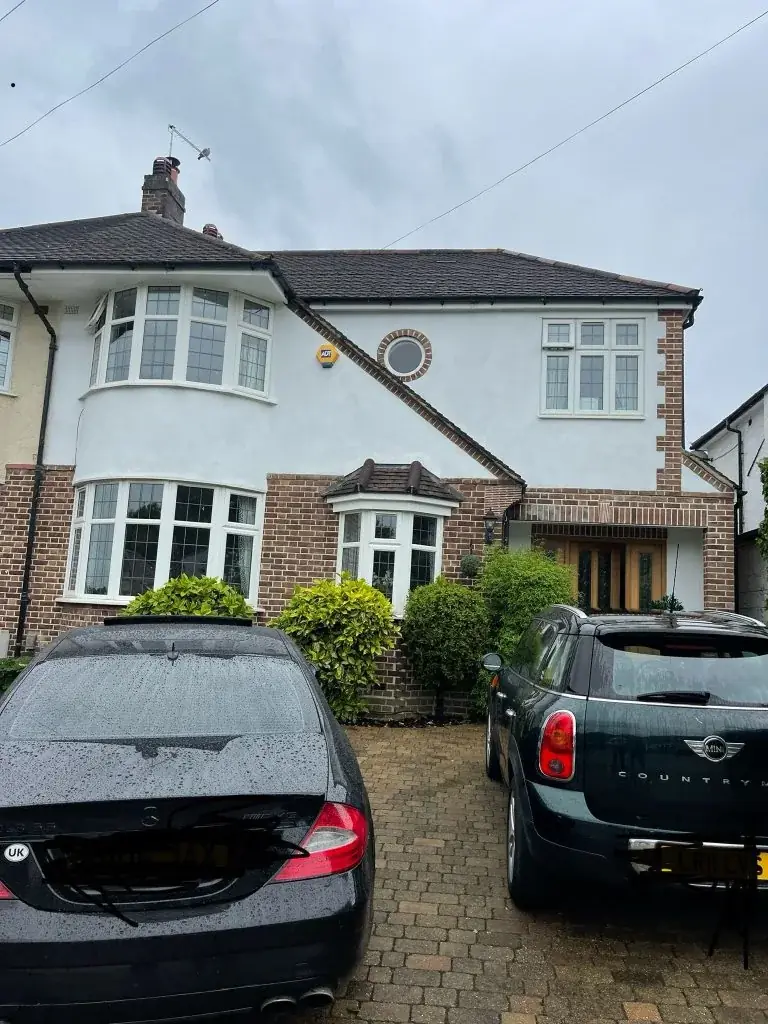
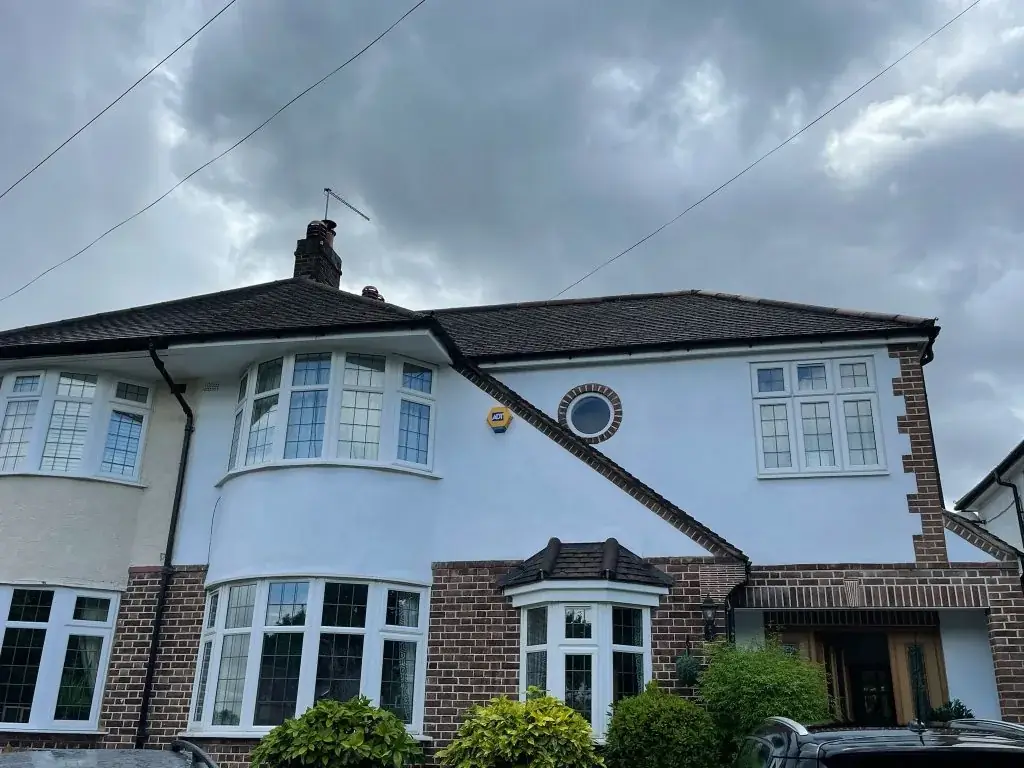
The edges of the work often determine how durable it feels. Junctions around openings, roof edges and adjoining materials need to be considered in the scope, because those are the points most likely to reveal movement or water ingress. A good render job does not stop at the flat field of the wall.
If failed render is being removed, the repair strategy should say what is coming off, what is being retained and how the new system will meet existing materials. That avoids awkward transitions and makes the finished wall look intentional rather than patched.
Design checks
Four things we confirm before drawing external rendering.
- 01Assess the wall background before choosing a render system.
- 02Decide whether failed render needs removal or local repair.
- 03Plan junctions around openings, roofs and adjacent materials.
- 04Check access and weather exposure are built into the scope.
Why does the wall substrate matter so much in rendering?
Because the render has to suit the wall underneath. If the base is incompatible or unstable, the finish may crack, fail or not bond properly.
Should all failed render be removed?
Not always. The right approach depends on how extensive the failure is and whether the remaining material is sound. The scope should be based on inspection rather than assumption.
What makes render junctions important?
They are the points where different materials or shapes meet, so they are more vulnerable to movement and weathering. Good detailing there protects the whole wall.
Planning and project guidance
- Conservation areas | Southwark Council
- GOV.UK · Planning permission
- GOV.UK · Building regulations approval
- GOV.UK · Party walls and building work
Check the current guidance for your address before relying on a planning route. This guide is not a planning decision or a verified local case study.
Other services in Peckham








