
Kent · Sevenoaks · Town service guide
Roofingin Sevenoaks.
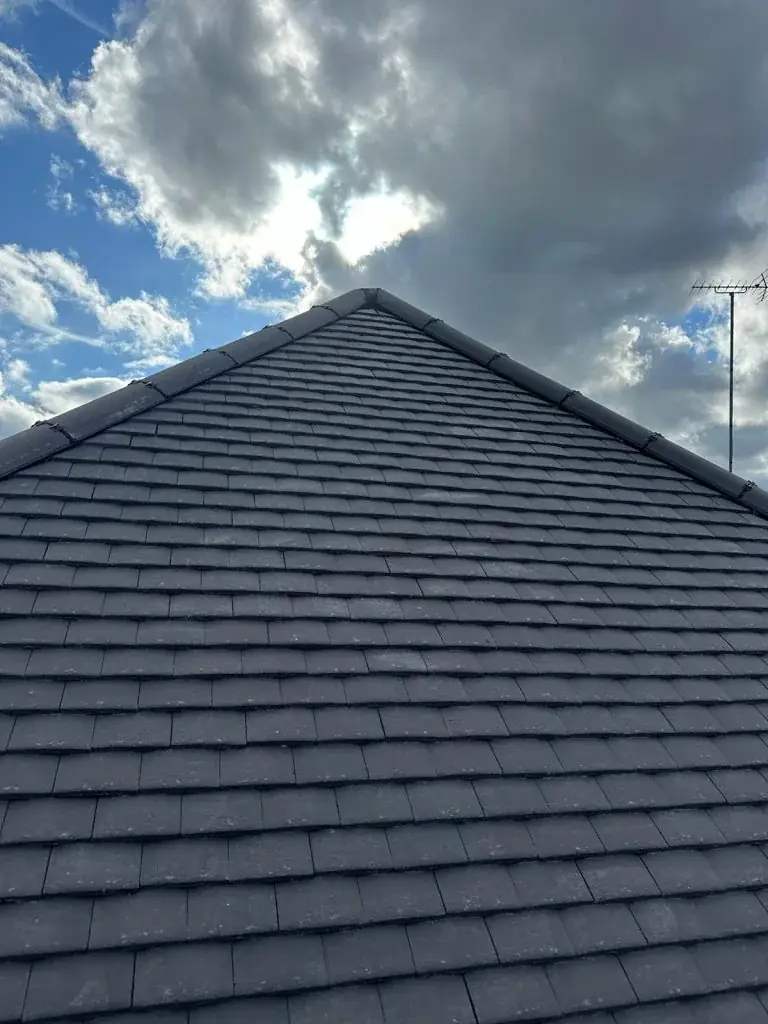
A roof problem often appears in one place but starts somewhere else. The right decision is whether the work is a repair, a more extensive replacement or part of a larger conversion, because the scope should be based on the roof’s condition, not just the damp patch inside.
- Service
- Roofing
- Town / city
- Sevenoaks
- County
- Kent
- Next step
- Discuss your project
Your project brief
Trace the problem before deciding the fix
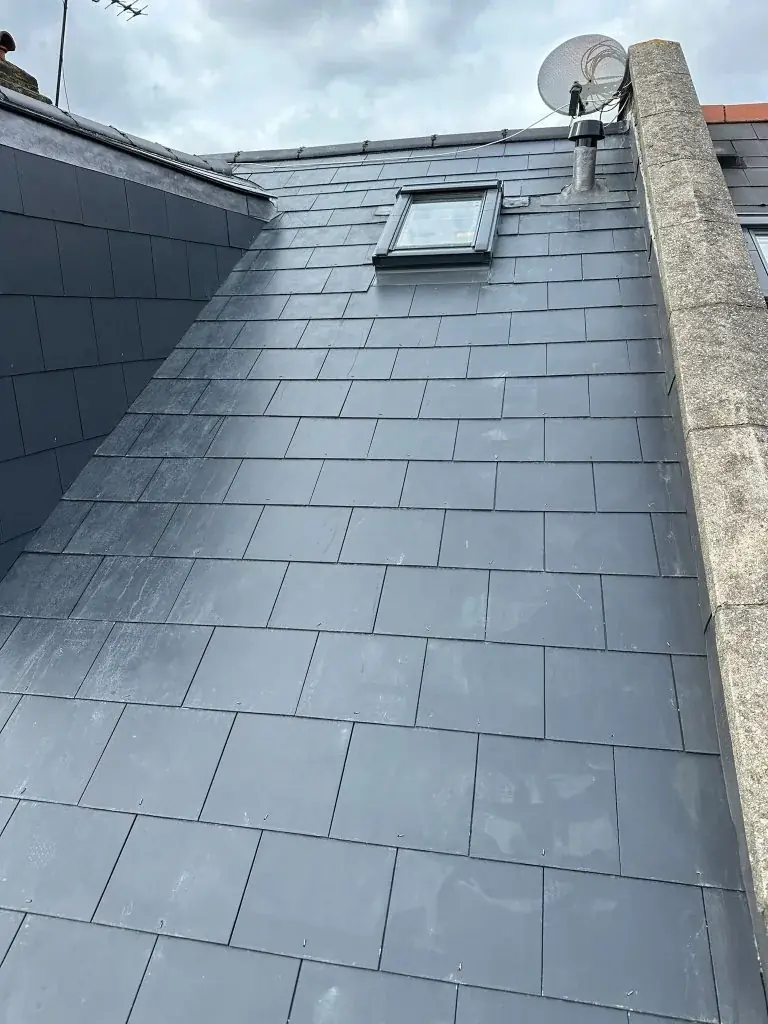
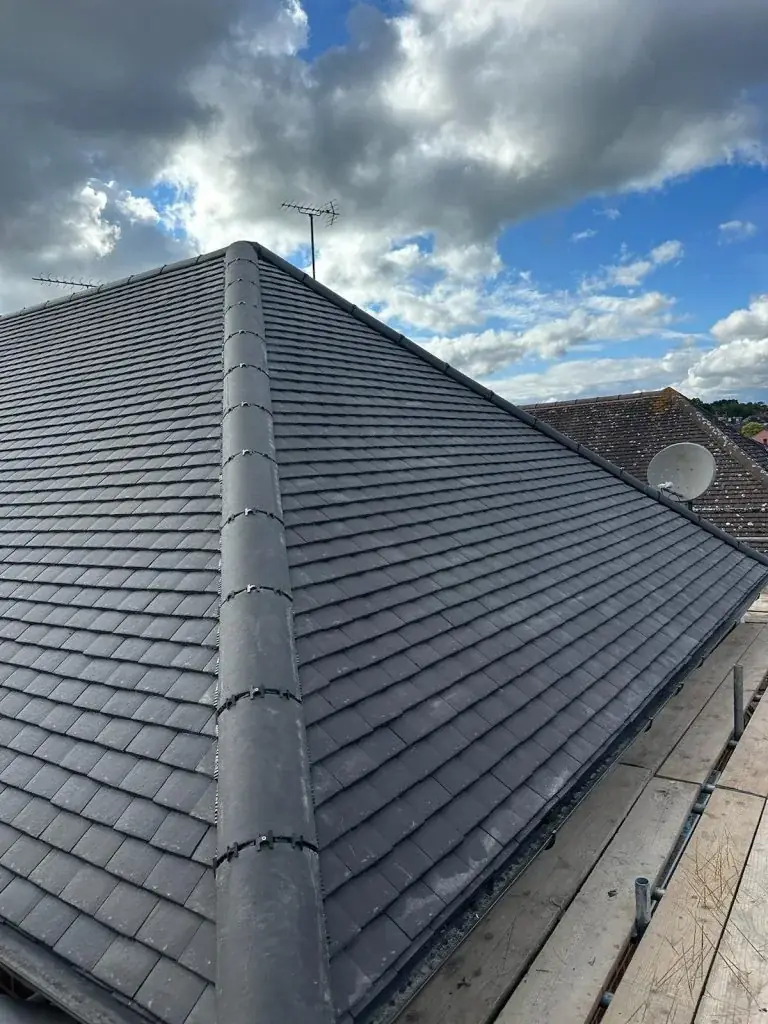
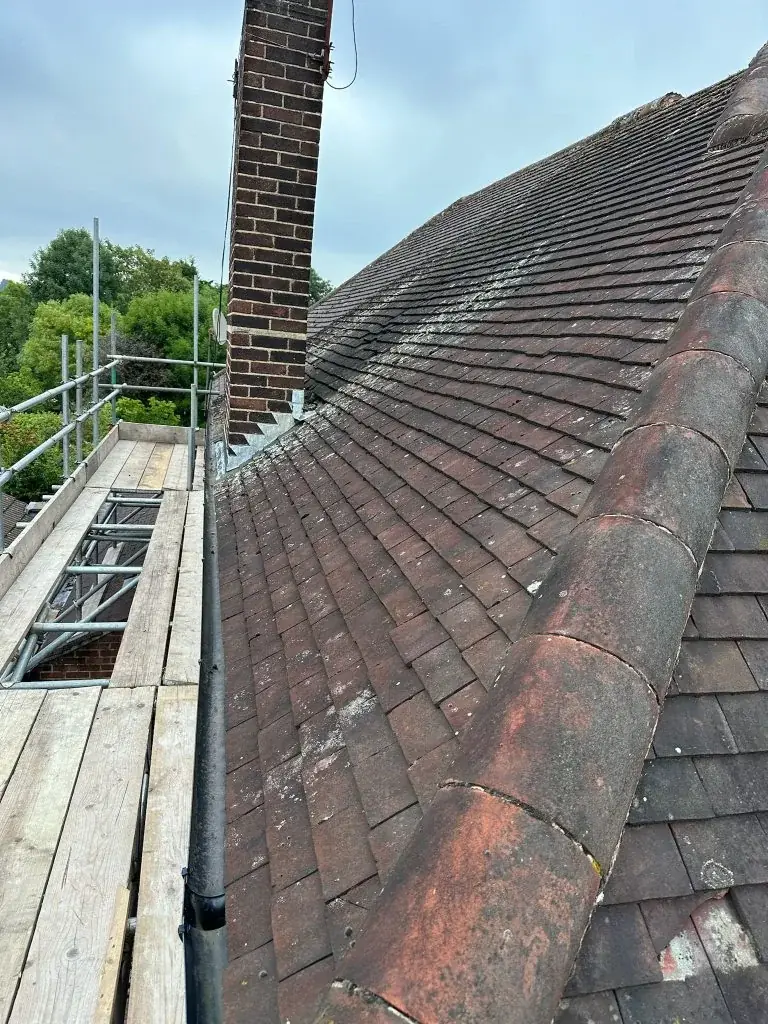
A visible stain or slipped tile does not automatically tell you what the roof needs. The survey should check the covering, ridges, flashings, abutments and drainage points to see where water is actually entering. That helps avoid unnecessary work and prevents a narrow repair from missing the cause.
If the roof is broadly sound, targeted work may be enough. If there is widespread deterioration, failed detailing or hidden damage, a larger scope may be needed. The finished outcome should solve the problem at source rather than simply tidying the symptom.
Sevenoaks checks before roof work is planned
Sevenoaks District Council’s conservation directory says the map attached to the relevant entry should be used for current boundaries and that open spaces, trees and historic street patterns may contribute to character. A Sevenoaks address alone does not prove conservation status or planning route. For roofing, the exact property must be checked before changes to profile, materials or roofscape are fixed.
Design decisions
Keep roofing and conversion decisions separate
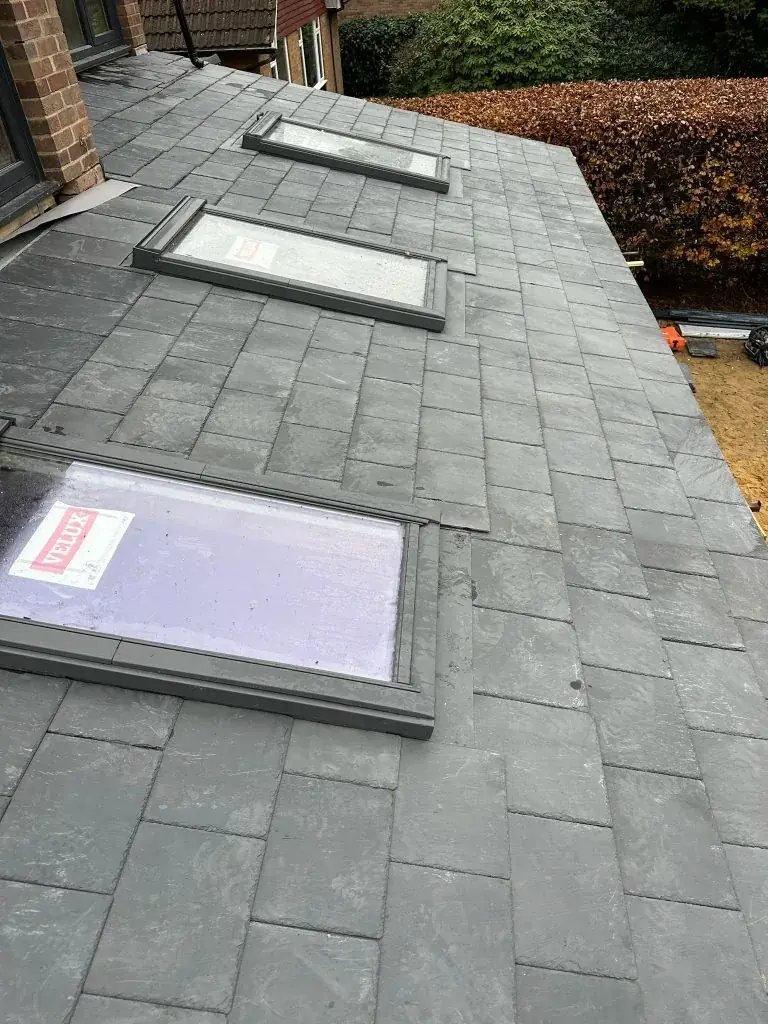
Roof repair, replacement and loft conversion are different scopes. A conversion changes the roof as part of creating usable space, while a roofing job aims to keep the existing weatherproofing working properly. The survey should not blur those choices, because each has different structural, thermal and approval implications.
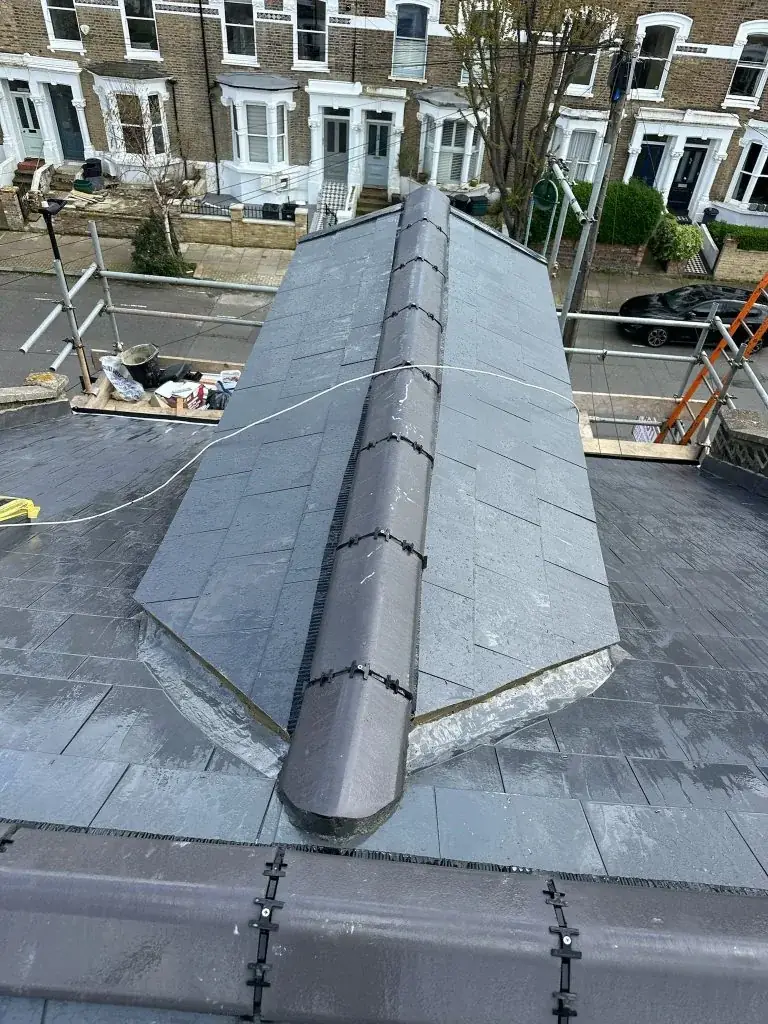
The quote should also deal with safe access. Scaffolding or other arrangements may be needed, and suspect materials must be identified before disturbance. That keeps the work realistic and avoids assumptions that can cause delay once the roof is opened up.
Design checks
Four things we confirm before drawing roofing work.
- 01Investigation of accessible roof defects and an agreed repair scope.
- 02Work to suitable roof coverings, ridges and associated details where specified.
- 03Flashing, abutments and rainwater junctions considered alongside the covering.
- 04Roof alterations coordinated with loft-conversion design and structural requirements.
How do I know whether the roof needs repair or replacement?
The survey should compare the condition of the covering, details and structure. If the issue is localised, repair may be enough; if deterioration is widespread or concealed, replacement can be the more sensible route for the long term.
Why are flashings and junctions so important?
Because many leaks start where different materials meet. The visible tile or slate may be fine, but if the flashing or abutment detail has failed, water can still get in. Those junctions need checking as part of the diagnosis.
Should roofing work be combined with a loft project automatically?
No. They are related but not the same. A loft conversion changes the roof to create space, while roof maintenance is about keeping the existing roof performing. The survey should decide whether the roof can support a conversion or just needs repair.
Planning and project guidance
- Sevenoaks District Council · conservation directory and design guidance
- GOV.UK · Planning permission
- GOV.UK · Building regulations approval
- GOV.UK · Party walls and building work
Check the current guidance for your address before relying on a planning route. This guide is not a planning decision or a verified local case study.
Other services in Sevenoaks








