
Kingston upon Thames · South London
Renderingin Surbiton.
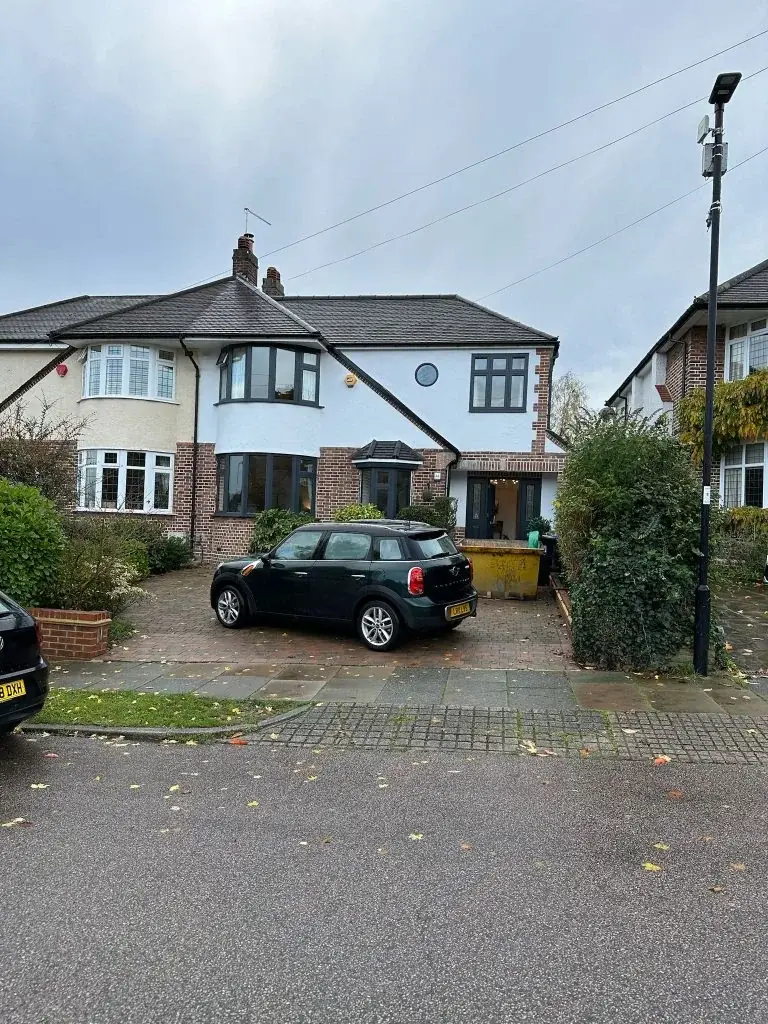
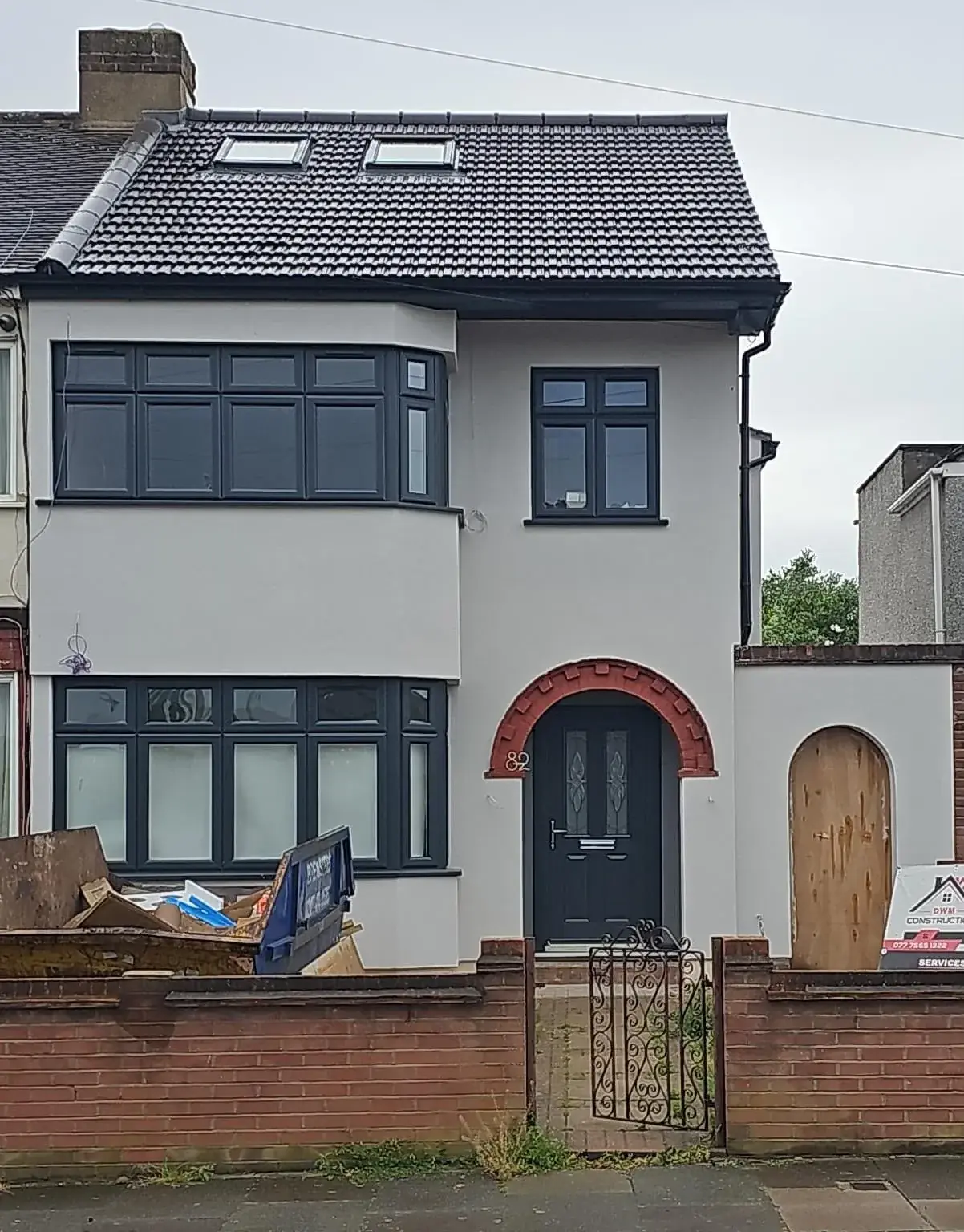
Rendering changes an external wall only if the background, materials and junctions all work together. The main choice is not just the finish colour or texture, but whether the wall is suitable for the render system you want to apply.
- Service
- Rendering
- Neighbourhood
- Surbiton
- Borough
- Kingston upon Thames
- Next step
- Discuss your project
Your project brief
Assess the wall before selecting a render system
An external wall should be checked for soundness, existing coating failure and any signs that the background needs repair before fresh render is added. A compatible system matters because the wrong match can lead to cracking or poor adhesion. So the surface condition should drive the specification, not the other way round.
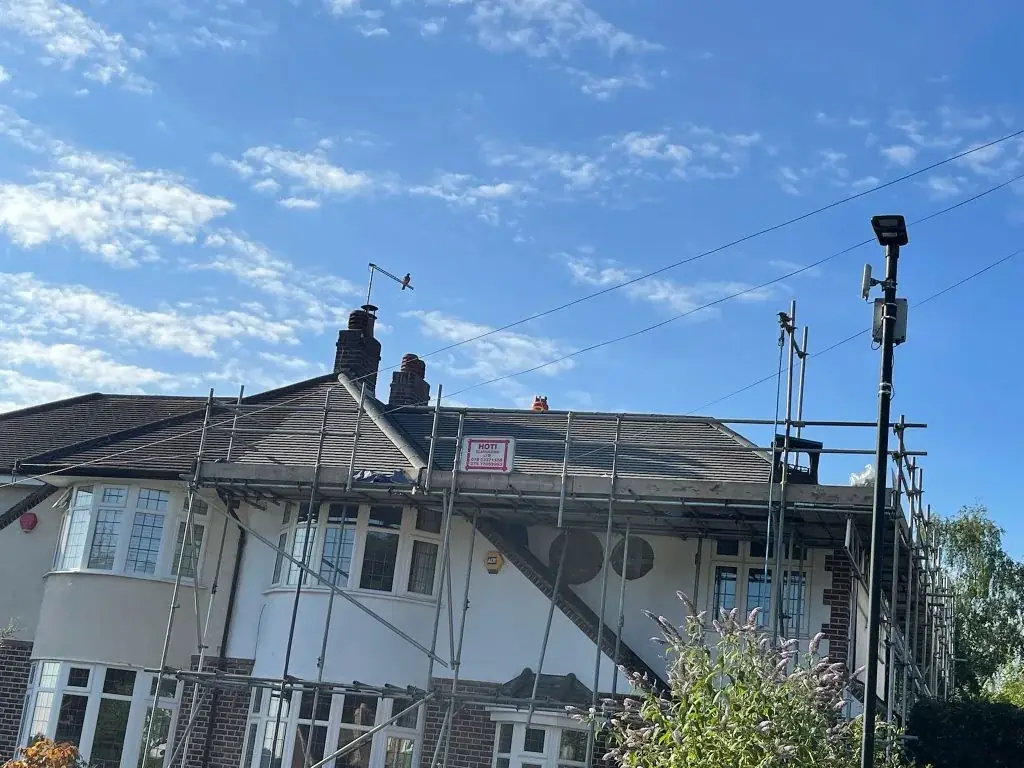
Where the render meets openings, roof edges or another material, the junctions need just as much attention as the main wall. If access to the wall is awkward because of narrow side spaces or nearby circulation routes, that should also shape the work sequence and the protection measures around the property.
Local checks for rendering in Surbiton
For a Surbiton property, Kingston upon Thames Council’s planning policy framework may matter if rendering forms part of wider external alterations, but the exact address still needs checking. The council points homeowners to conservation and listed-building guidance where relevant, and some areas are subject to Article 4 directions. A render project should therefore be judged against the site itself rather than any assumed borough-wide rule.
Design decisions
Separate repair, removal and new application
Not every render job begins with stripping everything back. Some walls may need local repairs, while others may need failed material removed before the new finish can go on. Ask which approach is being proposed and why, because that affects both cost and the expected outcome.
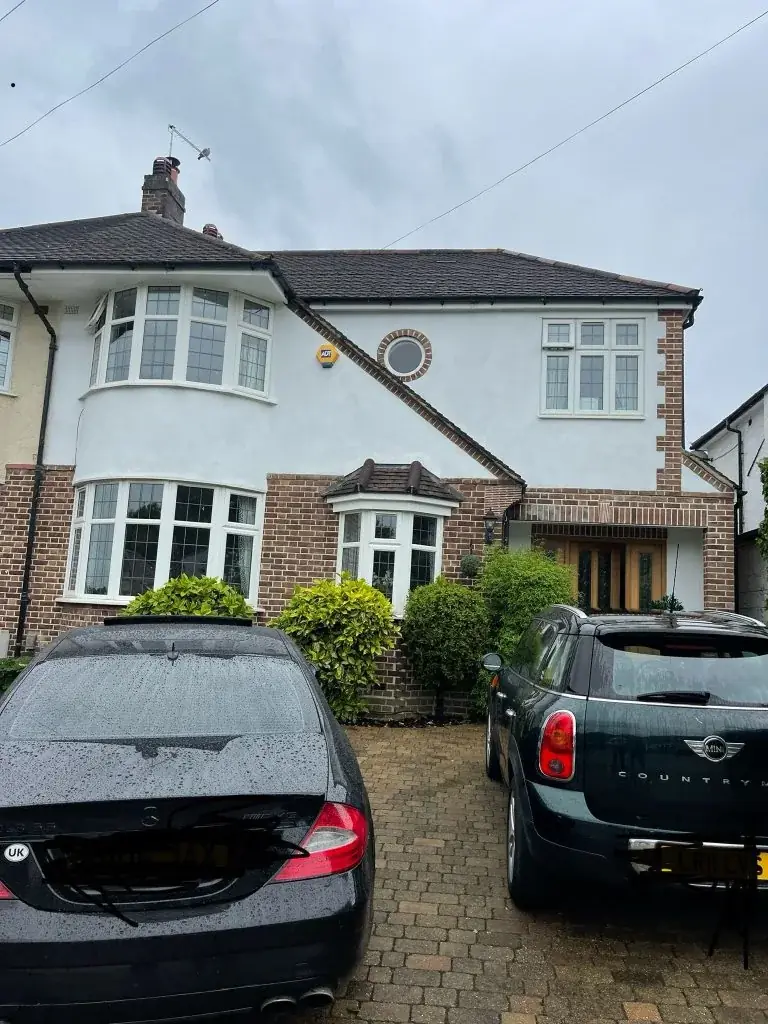
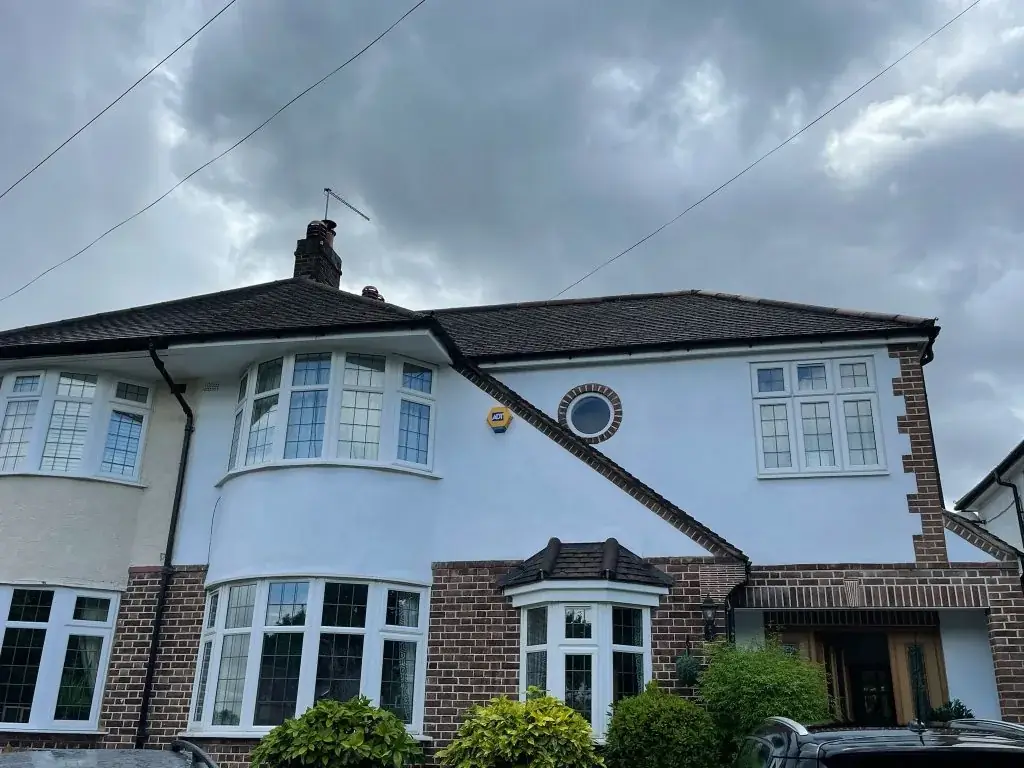
At handover, it is sensible to check for consistent coverage, clean junctions and any areas that are meant to be left for follow-on work. The render should be discussed as part of the external building envelope, not as a cosmetic layer alone, because its performance depends on how the wall below has been prepared.
Design checks
Four things we confirm before drawing external rendering.
- 01Check the wall condition before agreeing the render system.
- 02Agree where existing render is to be repaired or removed.
- 03Confirm the treatment of corners, openings and roof-edge junctions.
- 04Review the finish consistency and any follow-on work at handover.
What should be discussed at handover after rendering?
Discuss evenness of finish, junctions around openings, any patched areas and whether the wall is left ready for the next stage. Handover is about visible quality and agreed scope, not a replacement for any separate consent issues.
Why does the wall condition matter so much with render?
Because render depends on the background holding it securely and moving with it in a compatible way. If the wall is weak or unsuitable, the finish may fail earlier than expected even if it looks good at first.
Can rendering be treated as a simple cosmetic change?
Not really. It affects the external envelope, the junction details and the way the wall performs over time. Good rendering decisions start with the substrate and the intended use of the wall, not just appearance.
Planning and project guidance
- Planning policy and guidance | Royal Borough of Kingston upon Thames
- GOV.UK · Planning permission
- GOV.UK · Building regulations approval
- GOV.UK · Party walls and building work
Check the current guidance for your address before relying on a planning route. This guide is not a planning decision or a verified local case study.
Other services in Surbiton








