
Kent · Tunbridge Wells · Town service guide
Renderingin Tunbridge Wells.
Rendering changes the outside face of a wall, but the real success depends on the background beneath it and the details where the render meets other materials. A clear brief should start with the wall’s condition and any constraints on the property, not just the desired appearance.
- Service
- Rendering
- Town / city
- Tunbridge Wells
- County
- Kent
- Next step
- Discuss your project
Your project brief
Check the wall before choosing the render system
Cracking, weak patches and trapped moisture can all undermine a new finish. A survey should identify what is happening in the wall itself and whether the existing coating can remain, needs repair or must be removed before a new render is applied.
Older walls in particular may need a compatible approach rather than a standard one-size-fits-all system. If, for example, the wall has a history of damp or earlier repairs, the scope should say what will be checked and what will be treated as provisional until the background is confirmed.
Tunbridge Wells checks before external render work is approved
In Tunbridge Wells, check the council heritage map for the exact property address before assuming a render change is unrestricted. The council guidance identifies roof additions and side extensions among works with additional conservation-area controls, and similar external work should be tested against the mapped designation rather than the town name alone. The St James direction is a separate issue about highway-facing boundaries and hard surfaces, so it should only be considered where those elements are part of the proposal.
Design decisions
Treat openings, edges and neighbour-facing details as part of the design
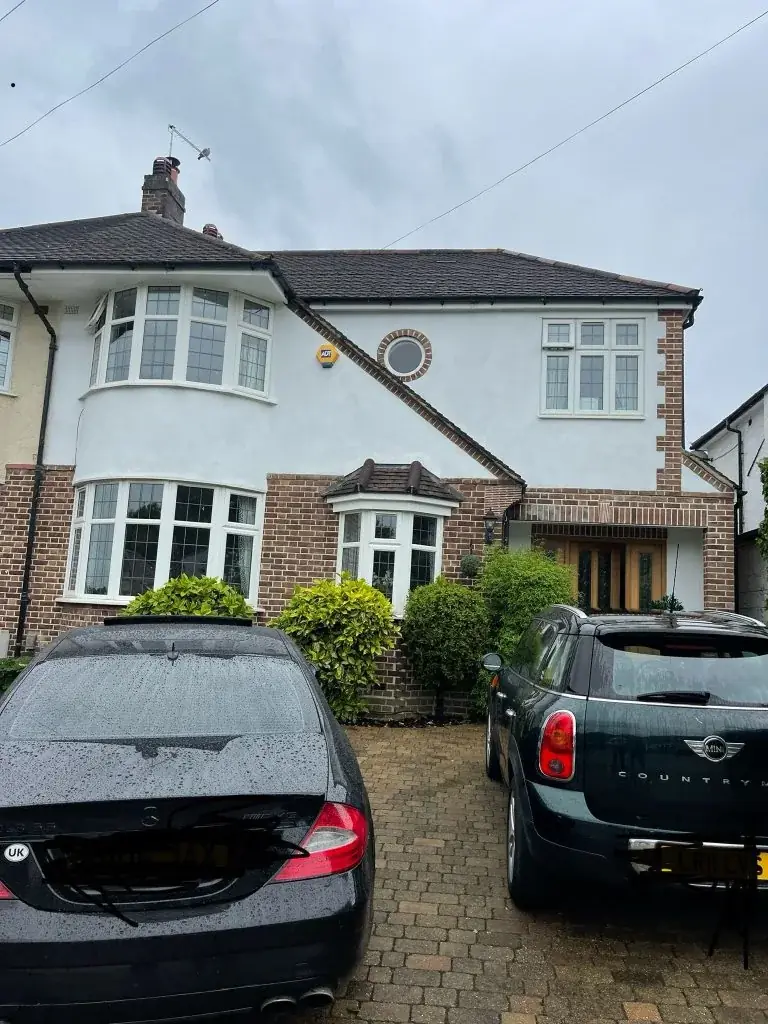
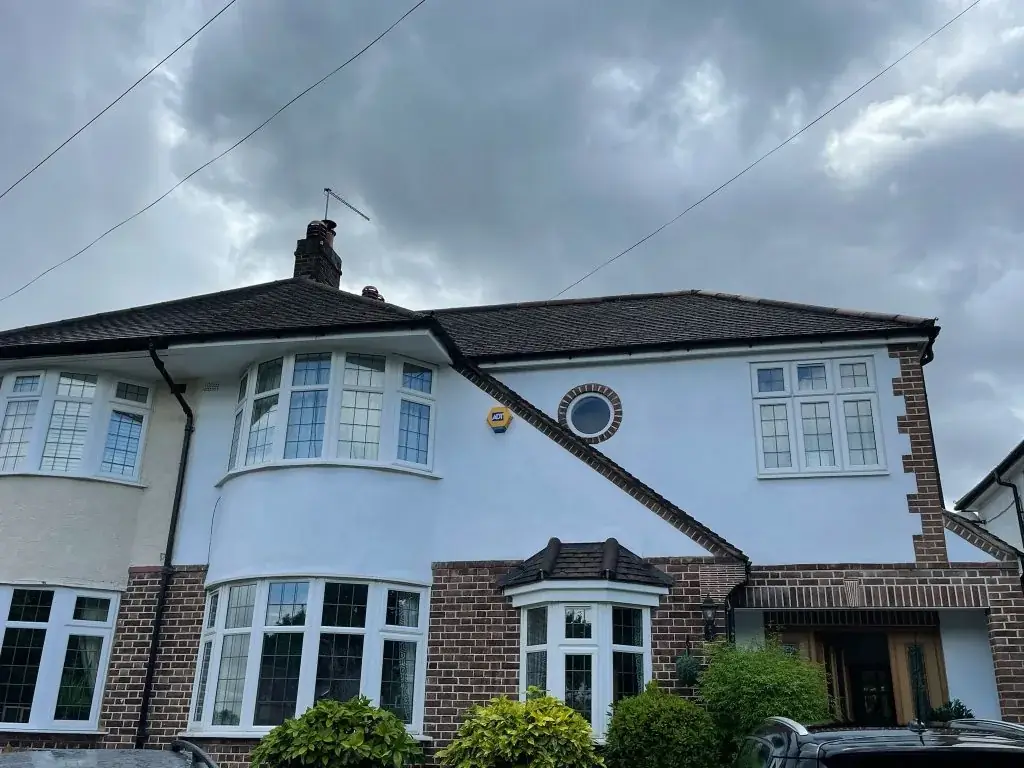
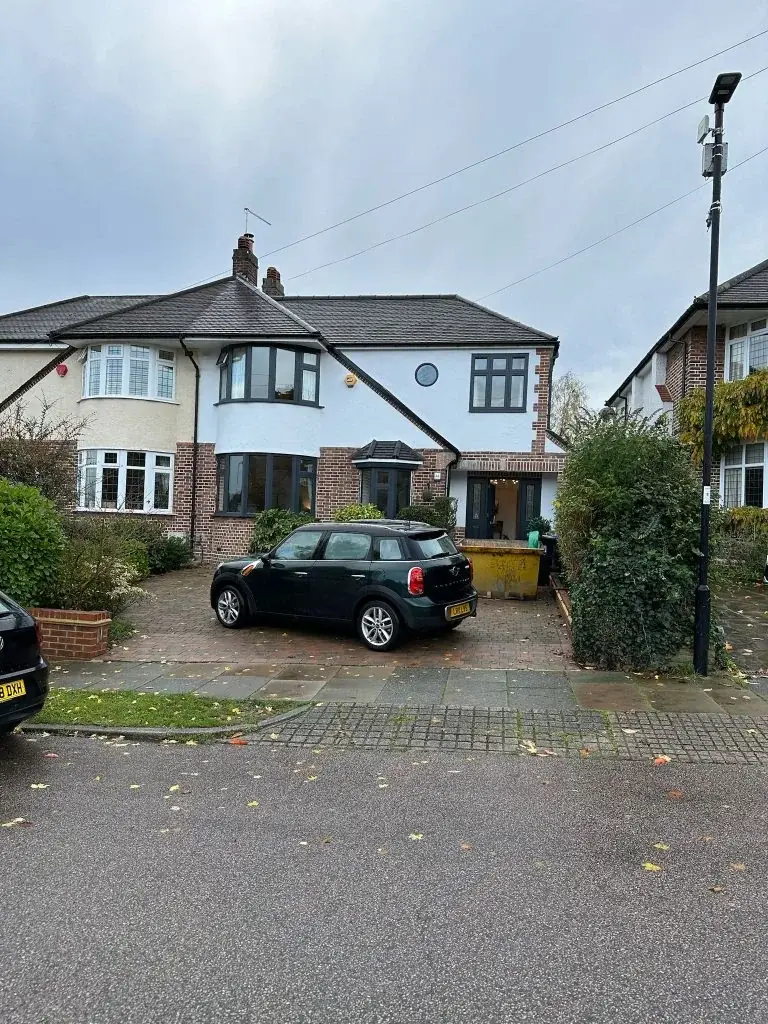
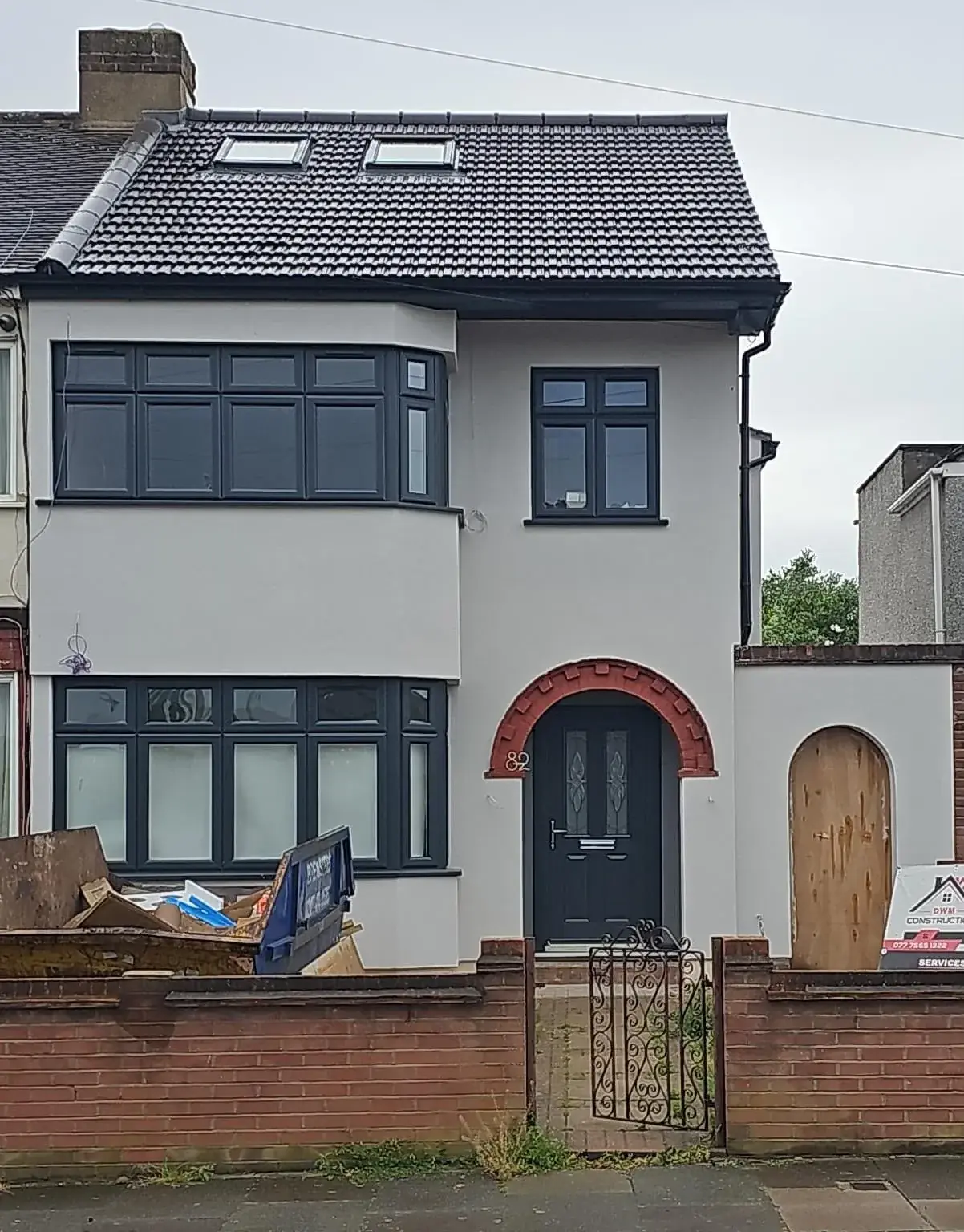
Render does not stop at the flat field of the wall. The junctions around windows, doors, roof edges and adjoining materials are where many failures begin, so the brief should describe how those points will be handled and whether any remedial work is needed first.
The external work may also affect how the building reads from the street or garden. That matters when the property has a mapped heritage designation, because the exact address determines whether extra controls apply and what level of scrutiny the external change needs.
Design checks
Four things we confirm before drawing external rendering.
- 01Inspect the wall’s condition, existing coating and moisture behaviour.
- 02State whether failed render will be removed, repaired or over-rendered.
- 03Describe the junction treatment around openings, edges and adjoining materials.
- 04Confirm whether the address needs a heritage check before the final specification is fixed.
Questions
Before you call about Tunbridge Wells.
Why is render more than just a new finish on the wall?
Because it has to work with the wall underneath and the details around it. If the background is weak or wet, or if junctions are poorly handled, the render can fail even when it initially looks smart.
What should be clarified before deciding on a render system?
The wall’s construction, any existing coating, signs of cracking or trapped moisture, and whether compatible repair is needed first. That lets the system be chosen for the wall, not just for the look.
How do external junctions affect the outcome?
They control weathering and movement. Openings, roof edges and adjoining materials are the points most likely to admit water or show cracks, so they need a specific plan rather than being left to site improvisation.
Planning and project guidance
- Tunbridge Wells Borough Council · heritage map, conservation controls and St James direction
- GOV.UK · Planning permission
- GOV.UK · Building regulations approval
- GOV.UK · Party walls and building work
Check the current guidance for your address before relying on a planning route. This guide is not a planning decision or a verified local case study.
Other services in Tunbridge Wells








