
Kent · Tunbridge Wells · Town service guide
Roofingin Tunbridge Wells.
A roof problem is not always caused by the tile or covering above the damp patch. The important decisions are about access, the hidden structure, the junctions and whether the work is repair or renewal. Good roofing advice starts with the cause, not the symptom.
- Service
- Roofing
- Town / city
- Tunbridge Wells
- County
- Kent
- Next step
- Discuss your project
Your project brief
Investigate the cause before deciding the repair
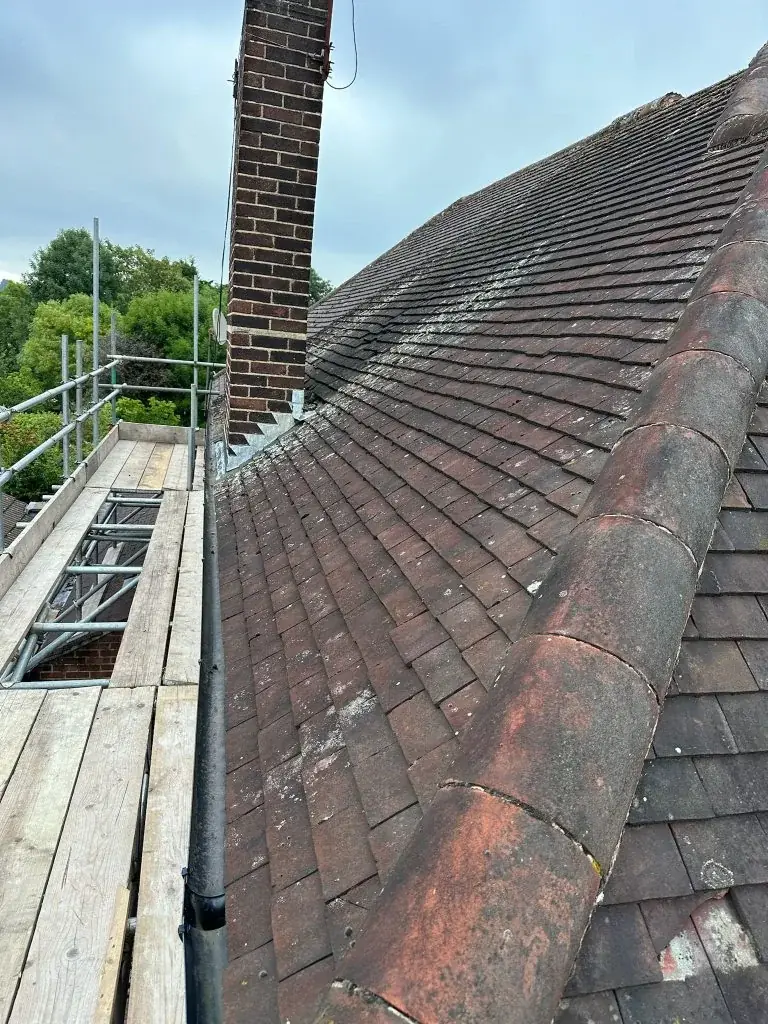
A visible defect may be the result of failed flashing, a gutter issue or deterioration in the structure below the covering. A survey should identify what can be seen and what still needs opening-up or closer inspection before the repair scope is fixed.
If the roof is part of a wider conversion or refurbishment, the scope should separate simple roof repair from the structural and insulation changes that belong to the other work. That avoids treating all roof activity as if it were the same task.
Tunbridge Wells checks before roof repair or renewal is fixed
For Tunbridge Wells, the council heritage map should be checked against the exact address if the roof work affects a property in a mapped designation. The guidance identifies roof additions among works with additional conservation-area controls, but that does not replace a site-specific check for repairs or renewal. The St James direction is separate and concerns highway-facing boundaries and hard surfaces, so it is not a blanket roof rule.
Design decisions
Plan access, junctions and hidden condition together
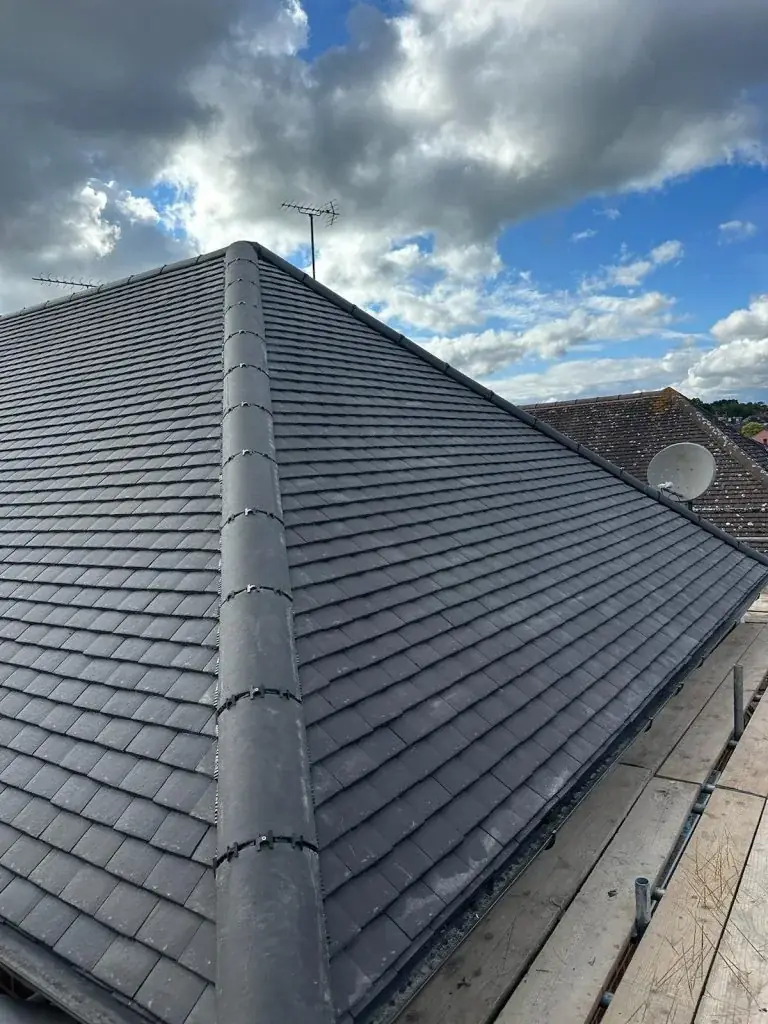
Roofing is affected by safe access, pitch, scaffold and the condition of the underlying build-up. The brief should note these factors because they influence both the method and the sequence of work, especially where other trades are waiting to progress the project.
The rooms below the roof can also be affected by leaks, insulation changes or disturbance during repair. Those impacts should be assessed in the scope so the homeowner knows whether internal making good, ventilation changes or additional protection will be needed alongside the roof work.
Design checks
Four things we confirm before drawing roofing work.
- 01Identify whether the issue is a covering defect, a junction failure or hidden deterioration.
- 02Confirm safe access arrangements and whether scaffold is needed.
- 03Separate roof repair from insulation or conversion-related work in the scope.
- 04Note any internal rooms that may need protection or making good below the roof area.
Questions
Before you call about Tunbridge Wells.
What is the main danger of treating every roof stain as a tile problem?
You can miss the real cause, such as flashing failure, rainwater issues or hidden deterioration. The roof should be checked as a system, not only as a visible covering.
How should roof work be split from loft or refurbishment work?
Write them as separate scopes unless they are genuinely one coordinated task. Repairing a roof covering, altering roof structure and fitting out a loft are different jobs with different checks and approvals.
Why do the rooms below the roof need to be considered?
Because leaks, insulation changes and access work can affect ceilings, finishes and use of the space. Knowing that early helps prevent surprises once the repair starts.
Planning and project guidance
- Tunbridge Wells Borough Council · heritage map, conservation controls and St James direction
- GOV.UK · Planning permission
- GOV.UK · Building regulations approval
- GOV.UK · Party walls and building work
Check the current guidance for your address before relying on a planning route. This guide is not a planning decision or a verified local case study.
Other services in Tunbridge Wells








