
Redbridge · East London
Doorsin Wanstead.
A door works best when the opening, the frame and the surrounding finishes have all been thought through together. The question is not only which door to choose, but whether the existing opening can support it and what else needs adjusting around it.
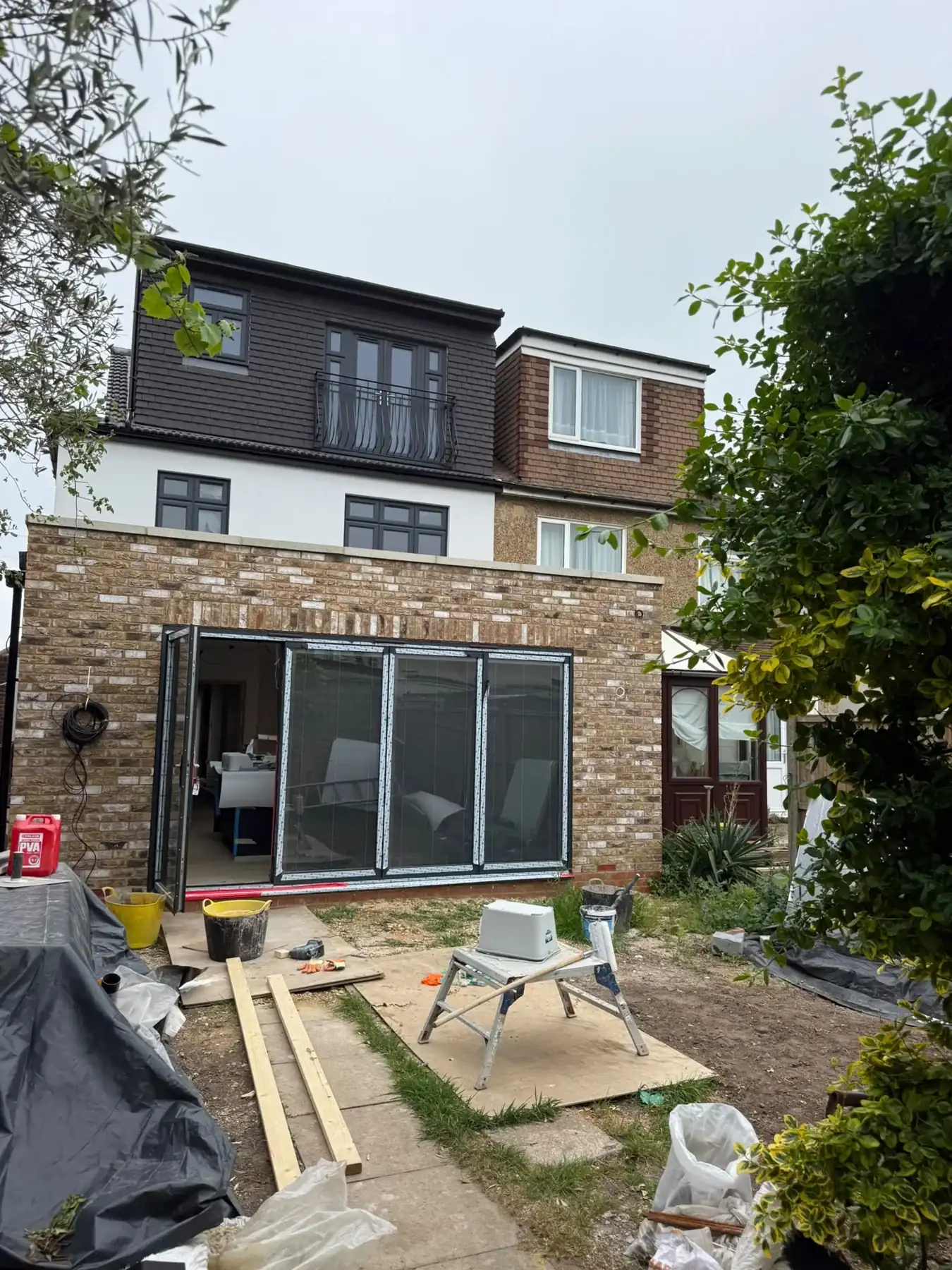
- Service
- Doors
- Neighbourhood
- Wanstead
- Borough
- Redbridge
- Next step
- Discuss your project
Your project brief
Decide whether the existing frame can stay
An internal door replacement may be simple if the frame is sound, the clearances are right and the new leaf fits the opening. But if the frame is out of square, damaged or mismatched to the intended use, the scope may need to include more than a straight swap.
That is why the room sequence matters. New flooring, plaster repairs or other finishing work can change clearances and trim lines. The door should be measured against the final arrangement, not only against what is there before the rest of the room is finished.
Wanstead checks before changing a door opening
In Wanstead, Redbridge’s heritage materials show that some properties and areas are subject to conservation, listed building or Article 4 controls. That does not mean every door replacement needs special permission, but it does mean the exact address should be checked before assuming an opening can be altered freely. The property status determines the route, not the neighbourhood name alone.
Design decisions
Match hardware and requirements to the room
Handles, hinges and latches should be chosen to suit the room’s use, not just its appearance. An external door or an altered opening needs extra care because security, weather exposure and any relevant performance requirements may shape the installation approach.
If the work is part of a larger refurbishment, the household route and storage space should be planned so the opening can be worked on without blocking everyday movement. That keeps the job practical while the room is still being used.
Design checks
Four things we confirm before drawing door installation.
- 01Check whether the existing frame can be retained before ordering a door.
- 02Measure clearances against the finished room, not just the current opening.
- 03Match hardware to the door’s intended use and location.
- 04Confirm whether an altered opening or external door needs extra checks.
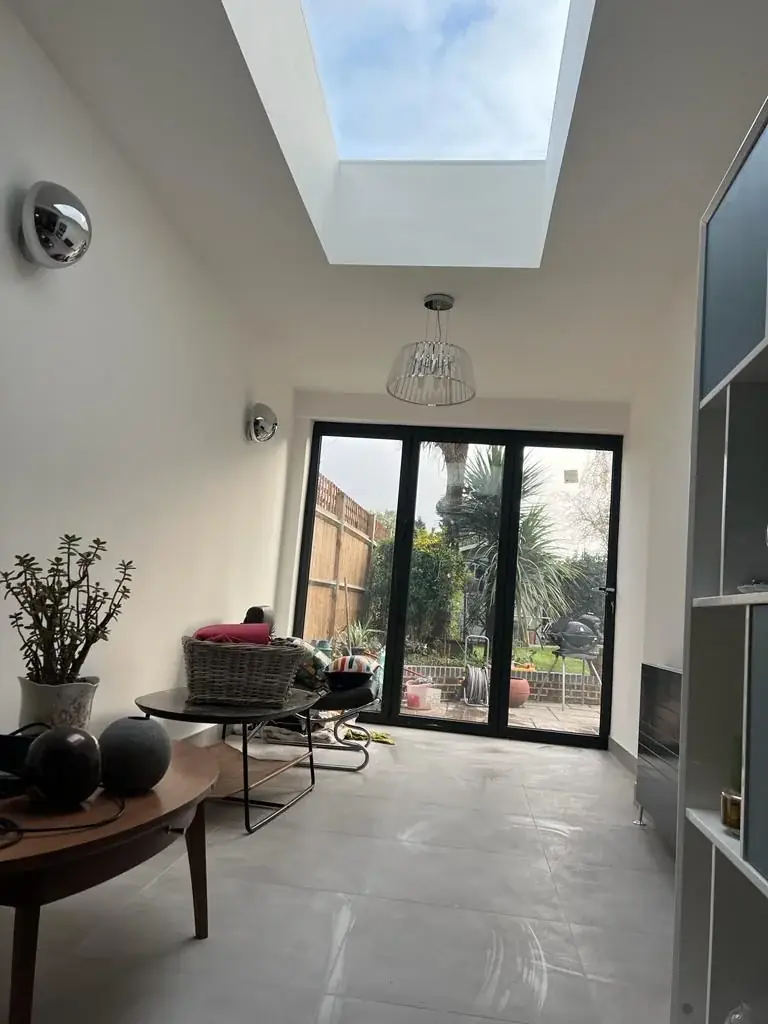
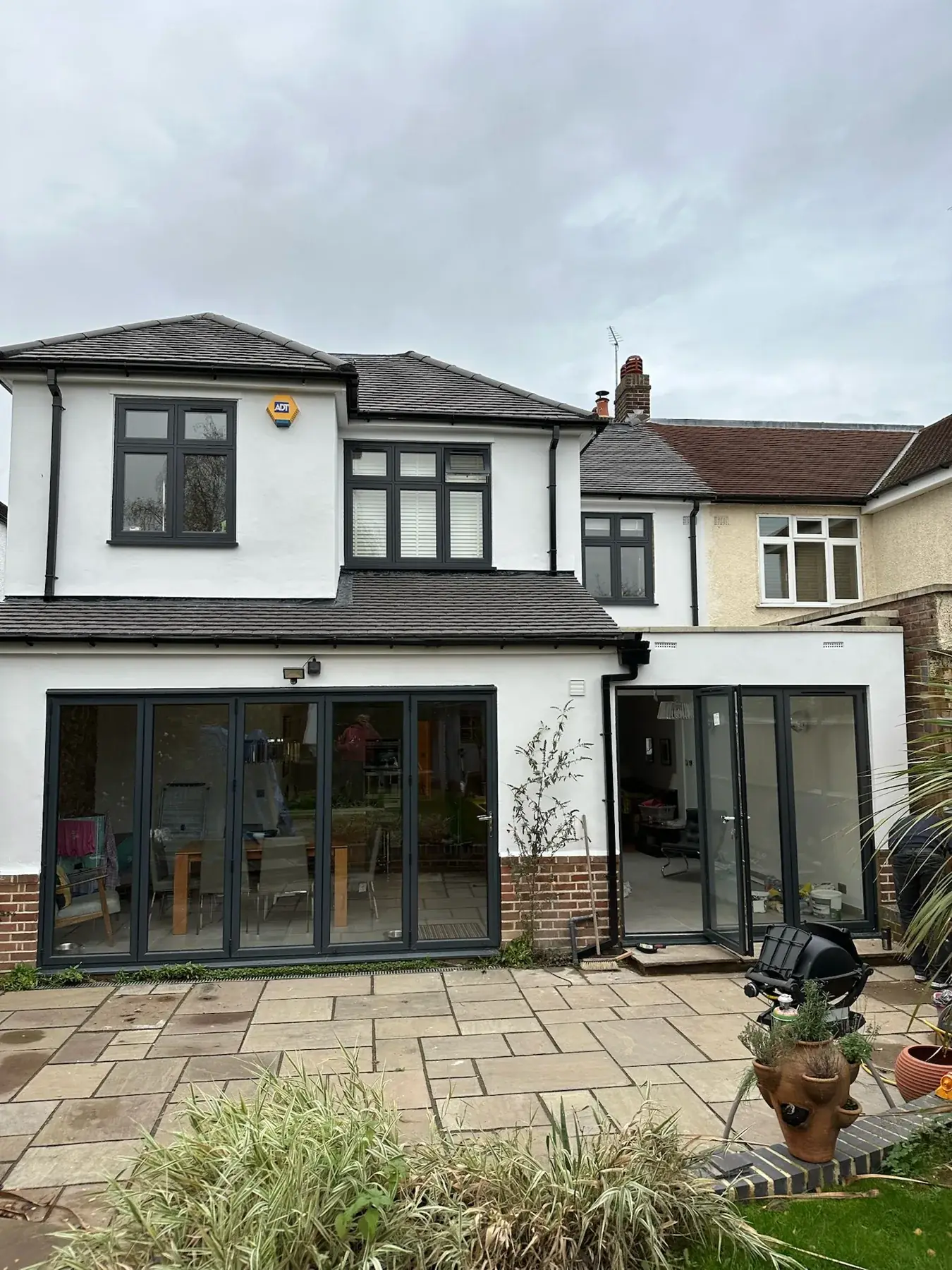
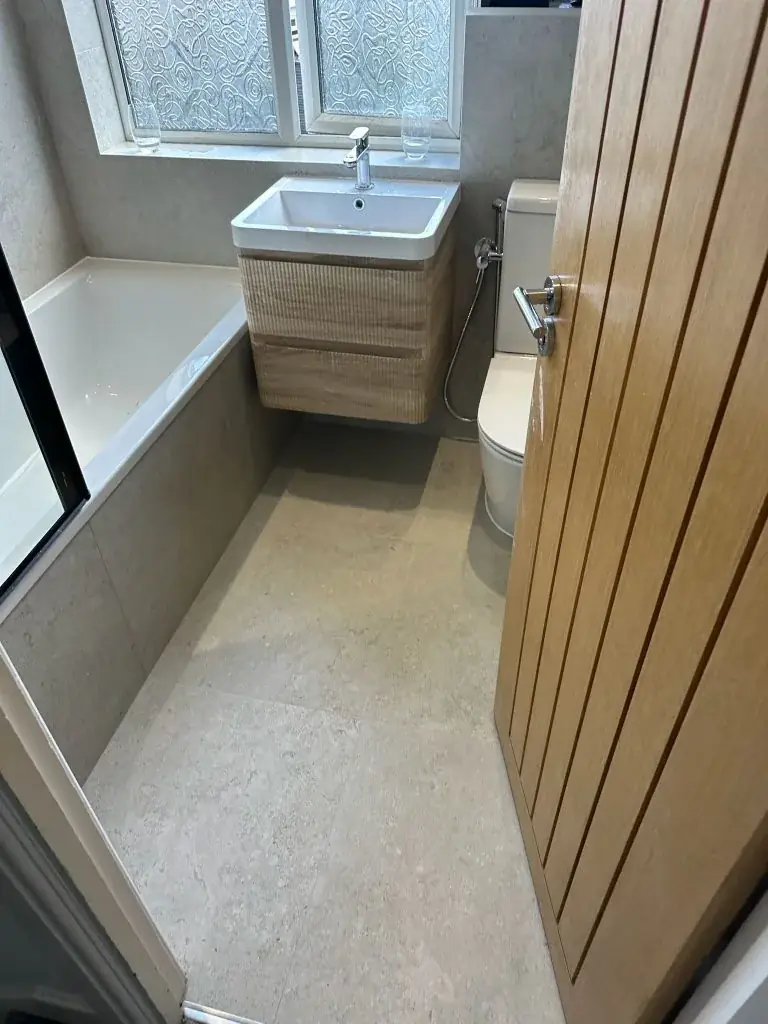

How do I know if the old frame can stay?
That depends on its condition, squareness and whether it suits the final floor and trim levels. A frame that looks usable now may not suit the finished opening once surrounding work is complete.
Why should the door be measured after other room changes are planned?
Because flooring, plaster and trims can alter the clearances. Measuring against the final room arrangement reduces the risk of a door that binds or leaves awkward gaps.
Do external doors need a different approach from internal doors?
Yes. External doors may involve additional concerns such as security, weather resistance and any performance requirements, so they should be assessed as a separate scope.
Planning and project guidance
- Protected buildings and conservation areas
- GOV.UK · Planning permission
- GOV.UK · Building regulations approval
- GOV.UK · Party walls and building work
Check the current guidance for your address before relying on a planning route. This guide is not a planning decision or a verified local case study.
Other services in Wanstead








