
Redbridge · East London
Renderingin Wanstead.
Rendering changes how a building looks and how its outer wall performs, but the finish has to suit the construction beneath it. The right choice depends on the wall condition, the intended appearance and the practical details around access and junctions.
- Service
- Rendering
- Neighbourhood
- Wanstead
- Borough
- Redbridge
- Next step
- Discuss your project
Your project brief
Assess the wall before choosing the render system
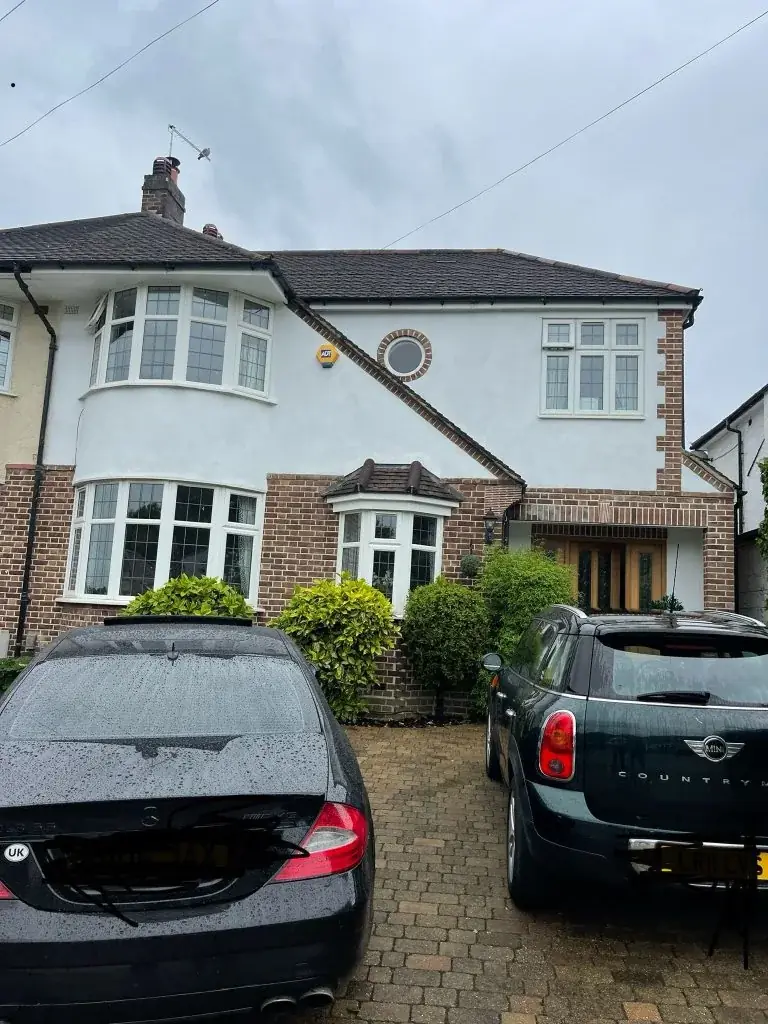
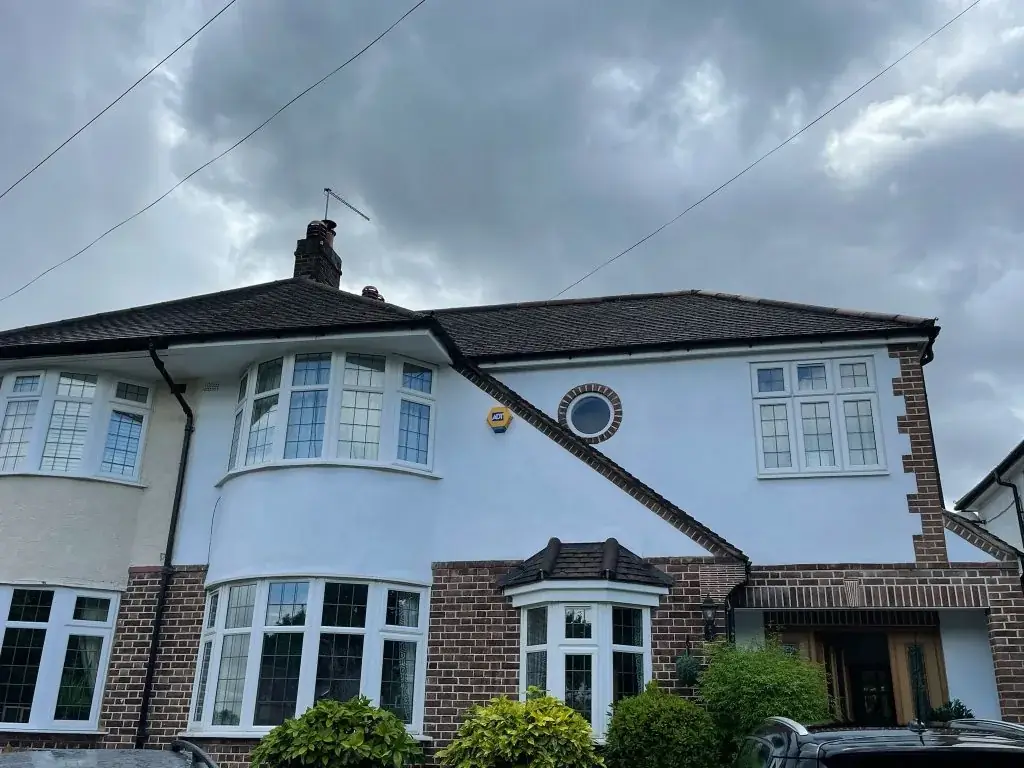
A render finish is only as reliable as the background it covers. Loose material, failing patches or incompatible previous coatings should be identified first, because they affect whether the wall can take a new system or needs more preparation.
The wall’s junctions matter too. Openings, roof edges and adjoining materials can all influence how the render should stop, seal or transition. Those points should be resolved before work begins so the external finish is not forced to compensate for a poor sequence.
Wanstead checks before external render work
Redbridge’s borough guidance shows that conservation areas, listed buildings and Article 4 directions exist in some places, and Wanstead is among the locations named in those heritage materials. That does not mean every wall is restricted, but the exact property must be checked if the render affects a protected building or another controlled alteration. The local status has to be confirmed address by address.
Design decisions
Keep repairs, replacement and new finish distinct
Not every render job is the same. Some properties need local repair, others need removal of failed areas and a broader recoat, and some need a more complete system agreed from the start. Those possibilities should not be blurred together in the brief.
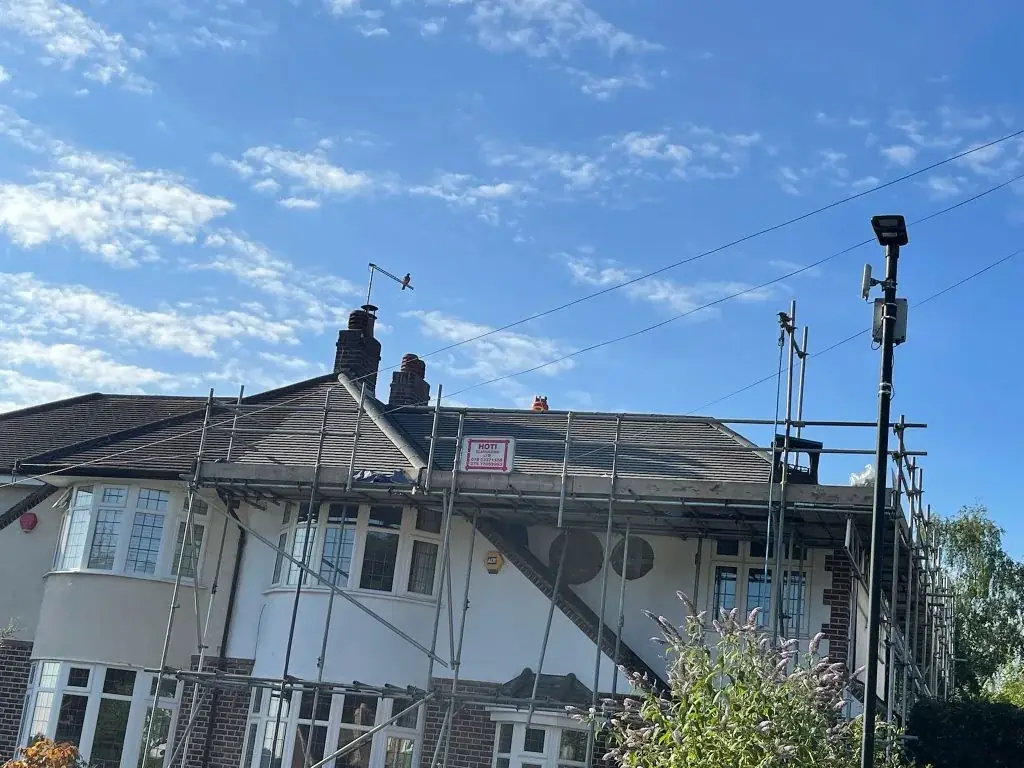
Access and storage should also be included. Materials, ladders and protection need room without blocking the household route or damaging nearby finishes. A clear plan helps the outside work progress in step with any internal refurbishment rather than competing with it.
Design checks
Four things we confirm before drawing external rendering.
- 01Check the existing wall background before selecting a render system.
- 02Separate local repairs from full replacement or recoat work.
- 03Agree the detail at openings, roof edges and adjoining materials.
- 04Plan safe access and material storage before external work starts.
How do I know whether a wall is suitable for rendering?
It depends on the condition of the background, the existing coatings and whether the wall has defects that need attention first. A render should not be chosen until the substrate has been assessed.
Do junctions matter as much as the main wall area?
Yes. Openings, roof edges and adjoining materials can be the places where problems show up first, so they should be worked out before the main finish is applied.
Is render repair the same as full render replacement?
No. Repair may be limited to failed areas, while replacement can involve a wider removal and reapplication. The scope should state which approach is being used and why.
Planning and project guidance
- Protected buildings and conservation areas
- GOV.UK · Planning permission
- GOV.UK · Building regulations approval
- GOV.UK · Party walls and building work
Check the current guidance for your address before relying on a planning route. This guide is not a planning decision or a verified local case study.
Other services in Wanstead








