
Hertfordshire · Watford · Town service guide
Renderingin Watford.
Rendering changes the outside appearance of a wall, but it only works when the chosen system suits the structure underneath. The important decision is whether the wall needs repair, a compatible finish or a different approach because of movement, moisture or heritage sensitivity.
- Service
- Rendering
- Town / city
- Watford
- County
- Hertfordshire
- Next step
- Discuss your project
Your project brief
Check the wall before choosing the render system
The background matters because render is only as reliable as the wall beneath it. Cracking, trapped moisture, weak surfaces and poor rainwater details can all undermine the finish. If the wall is older or of a different construction type, the choice of materials needs to respect that.
A suitable system also depends on the intended result. Some projects are about tidying a failed surface; others are about changing the building’s appearance. The more the exterior is being altered, the more important it is to check the wall condition and the relevant controls first.
Watford external-work checks
The supplied Watford evidence says the borough’s design guide is a reference and that current policies and the property’s history must be checked. For rendering, that means the exact address, the wall type and any heritage constraints should be checked before work starts. A borough-wide description of varied built form is not a substitute for examining the actual wall and its permissions.
Design decisions
Keep the scope realistic about details and junctions
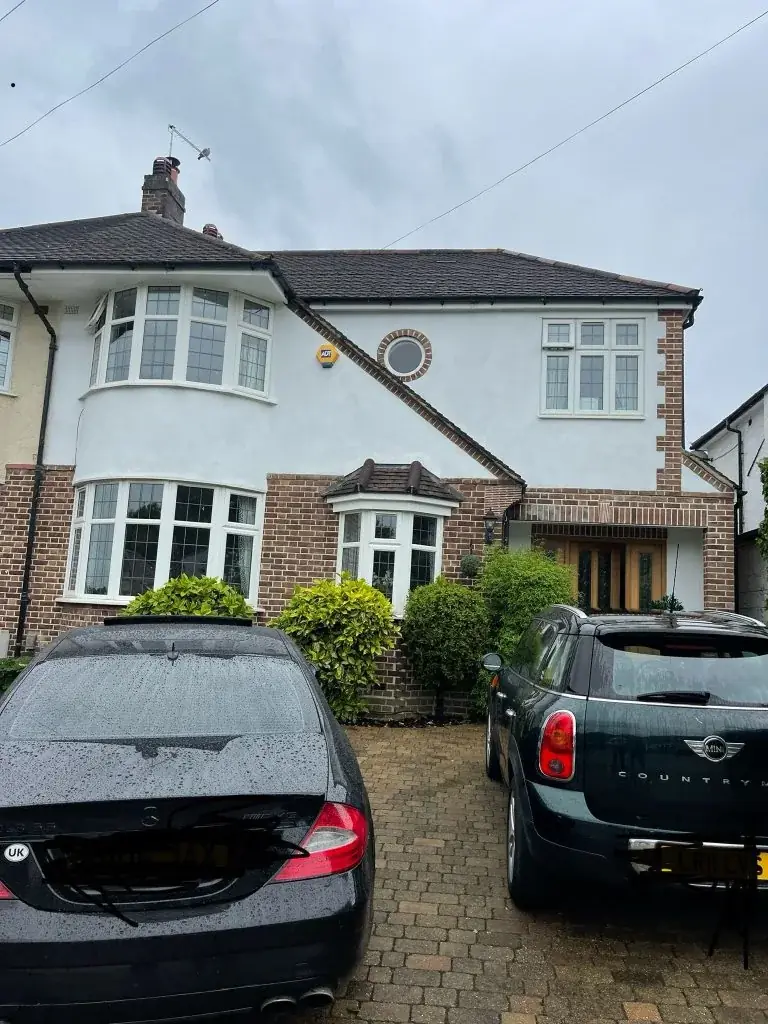
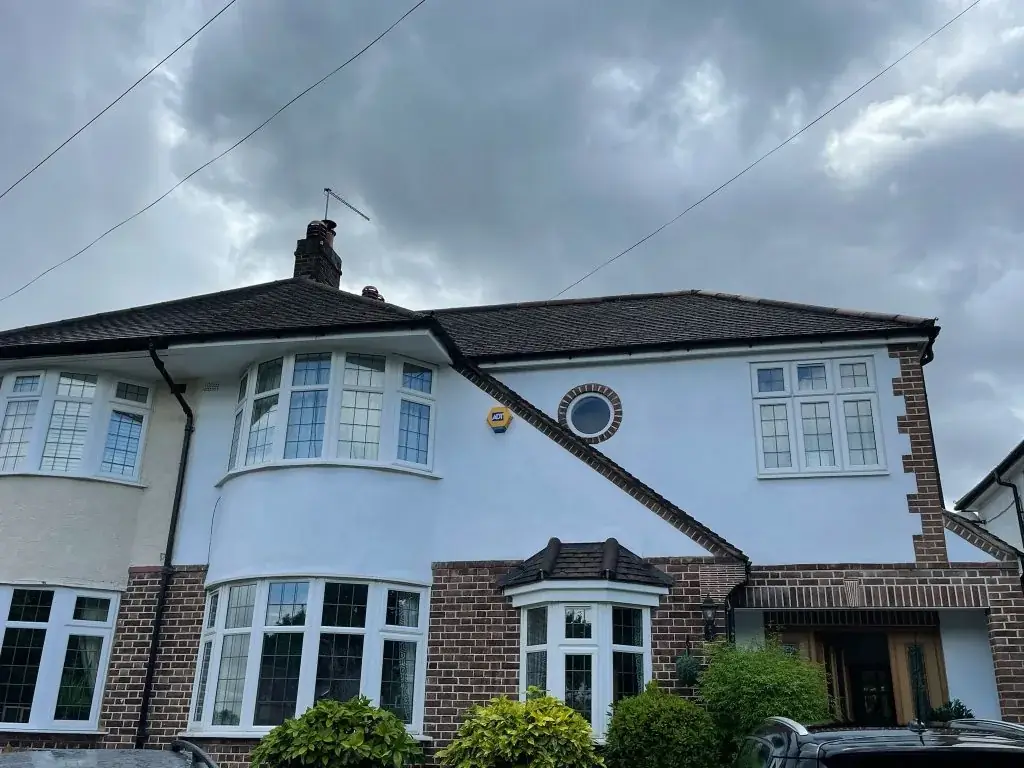
The joints around windows, roof edges and adjoining materials are where problems often appear. Those areas should be considered from the start, along with whether the existing render needs removal or repair before a new system is applied. That avoids a neat central wall with weak edges.
If the brief is limited, a smaller alternative may be better: repair one elevation or one defective section instead of rendering every wall. That can address the main issue while reducing access needs and keeping the work proportionate to the defect.
Design checks
Four things we confirm before drawing external rendering.
- 01Assess the wall background and moisture condition before choosing a render.
- 02Check junctions around openings, roofs and adjoining materials.
- 03Decide whether the work is repair, refresh or full exterior change.
- 04Confirm any consent issues that may affect the external finish.
Why does wall type matter so much for render?
Because different walls handle moisture and movement differently. A render that suits one construction can trap moisture or crack on another, so compatibility should be checked first.
Can rendering fix a wall that is already damp?
Not by itself. The source of the damp should be understood and addressed first, otherwise the new finish may fail or conceal a problem that continues underneath.
Is it reasonable to render only part of a house?
Yes, if the issue is localised and the surrounding finish can blend properly. A partial approach can be sensible when only one section is defective or being altered.
Planning and project guidance
- Watford Borough Council · Residential Design Guide, amended 2016
- GOV.UK · Planning permission
- GOV.UK · Building regulations approval
- GOV.UK · Party walls and building work
Check the current guidance for your address before relying on a planning route. This guide is not a planning decision or a verified local case study.
Other services in Watford








