
Hertfordshire · Watford · Town service guide
Skimmingin Watford.
Skimming is best when the existing surface is already stable. The decision is about whether you need a thin finishing coat, or whether the wall or ceiling first needs repair, lining or more extensive preparation before that final layer can succeed.

- Service
- Skimming
- Town / city
- Watford
- County
- Hertfordshire
- Next step
- Discuss your project
Your project brief
Decide whether the surface is ready for a skim
A skim coat gives a cleaner finish, but it does not cure weakness in the background. Loose plaster, moisture staining, poor adhesion or heavy texture may all need attention first. If the base is not sound, the new finish is likely to fail or still show defects.
That is why the existing condition should be checked before choosing the job. New plasterboard is often a good candidate for skimming, as are sound walls that only need a smoother surface. Distorted or damaged surfaces may need something more than a thin coat.
Watford surface checks before skimming
Watford Borough Council’s Residential Design Guide does not tell you whether a room surface is suitable for skimming; the property does. The supplied evidence says the borough has varied built form, so the same approach should not be assumed for every home. Check the room’s current condition, any prior alterations and whether the surface has moisture or movement issues before deciding on a skim coat.
Design decisions
Keep the scope focused on the finish you actually need
Skimming is often part of a broader room refresh, but it should still be separated from decoration and from structural repairs. That keeps the brief clear and avoids treating the skim as if it will solve every underlying issue. Making good around openings and junctions should be part of the detail, not an afterthought.
If only a few areas need improvement, a smaller alternative may be enough. For example, you might skim one ceiling, one repaired wall or a newly boarded section rather than the entire room. That can deliver a cleaner look while keeping cost and disruption under control.
Design checks
Four things we confirm before drawing a skim finish.
- 01Confirm the background is sound before choosing a skim.
- 02Decide whether the job is full-room or limited to certain areas.
- 03Separate skim finishing from painting and wallpapering in the programme.
- 04Check edges, openings and junctions for the amount of making good needed.

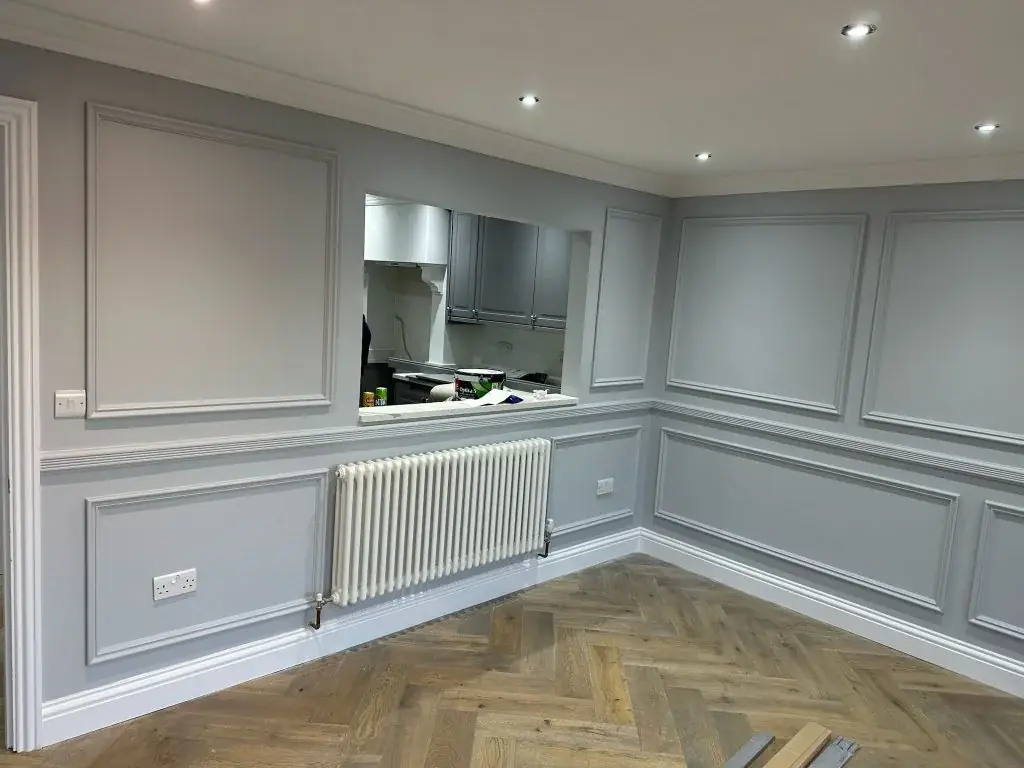

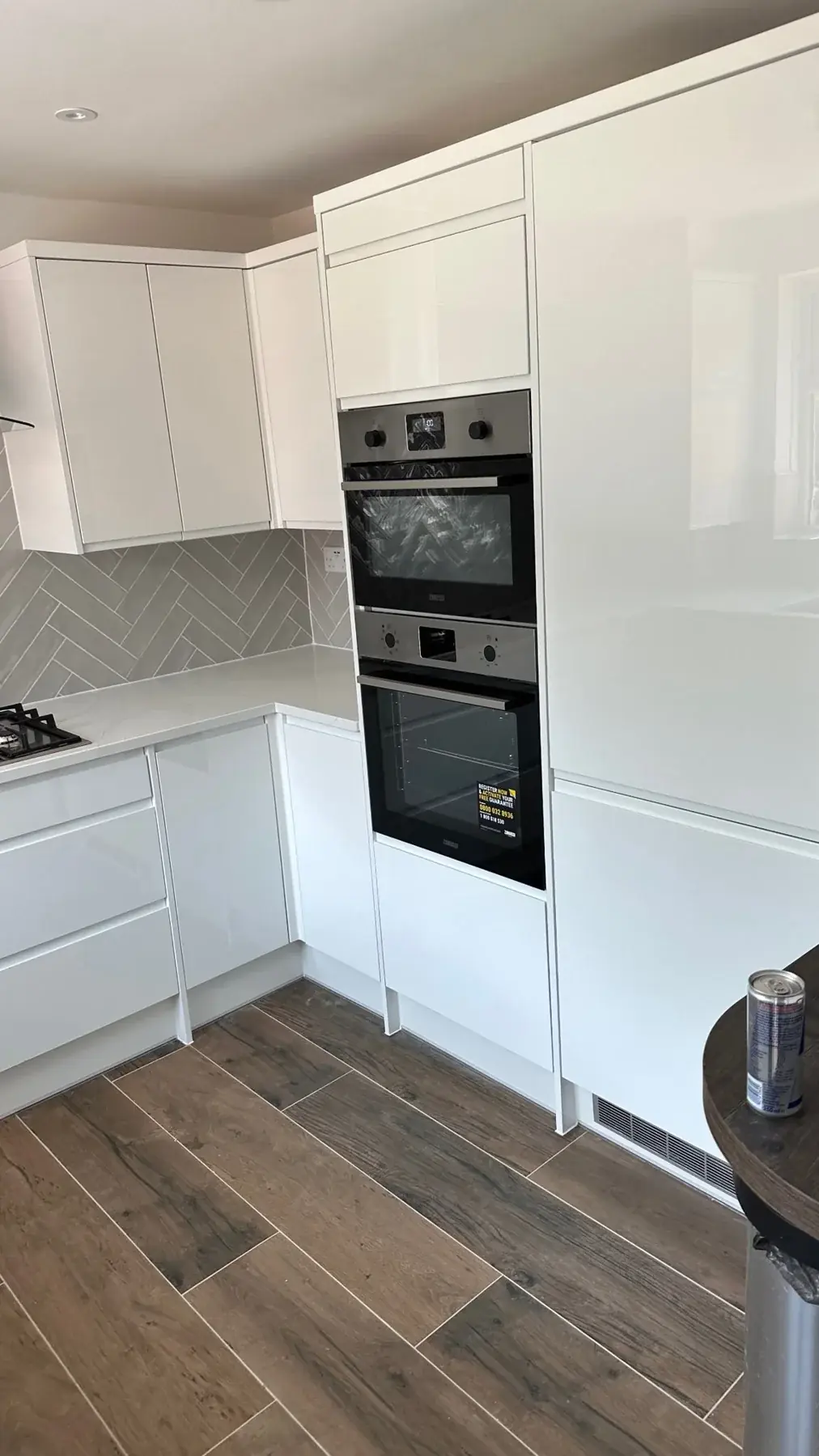

What sort of surfaces are usually suitable for skimming?
Sound plasterboard and stable plaster surfaces are the most straightforward candidates. The key is that the background must be clean, secure and flat enough for the skim to perform as a finish rather than a rescue repair.
Can skimming hide old imperfections completely?
It can improve the appearance, but it will not correct significant distortion or structural issues. If the wall shape is poor, the underlying problem should be dealt with before the finish coat is applied.
Why separate skimming from decorating in the plan?
Because the skim needs the right drying and preparation time before decoration starts. Keeping the stages separate avoids rushing the finish and lets you deal properly with any further surface preparation.
Planning and project guidance
- Watford Borough Council · Residential Design Guide, amended 2016
- GOV.UK · Planning permission
- GOV.UK · Building regulations approval
- GOV.UK · Party walls and building work
Check the current guidance for your address before relying on a planning route. This guide is not a planning decision or a verified local case study.
Other services in Watford








