
Brent · West London
Doorsin Willesden.
A door only works well when it suits the opening it sits in and the room around it. The important decisions are whether the existing frame can stay, what the new leaf needs to do and how the hardware and clearances will affect everyday use.
- Service
- Doors
- Neighbourhood
- Willesden
- Borough
- Brent
- Next step
- Discuss your project
Your project brief
Decide whether to keep the frame or replace the whole set-up
The first check is the condition of the existing frame, lining and opening. If they are sound and the new door can be fitted accurately, retaining them may be the sensible option. If the opening is out of square or the finish is poor, more making-good may be needed around the frame.
The purpose of the door also matters. An internal bedroom door, for example, has different demands from an external entrance or a door that needs to satisfy fire-performance requirements. The brief should reflect the use, not just the dimensions, because that changes the fitting and hardware choices.
Willesden door checks before fitting or replacement
Brent’s planning pages show that exact-address checks matter where a property may have heritage protection. That is relevant for some external door changes and for any work to a protected building. For ordinary internal doors, the main checks are frame condition, clearance and the relationship between the door and the surrounding finishes.
Design decisions
Plan the surrounding details as part of the door order
Handles, hinges, latches and architraves all influence the finished result. They should be chosen alongside the door rather than added at the end, because the hardware affects how the door hangs and how it feels in use. A well-planned door job also includes the making-good around the frame and linings.
If the opening itself is being altered, the installation requirements become broader. That is when the work needs to be checked against the intended opening size, the adjoining finishes and any specific performance need. It is easier to design those details before the door is ordered than to force them in later.
Design checks
Four things we confirm before drawing door installation.
- 01Check whether the existing frame can be retained safely.
- 02Confirm the door’s purpose and any performance needs early.
- 03Choose hardware alongside the door leaf and frame details.
- 04Agree making-good and any opening alterations in the scope.

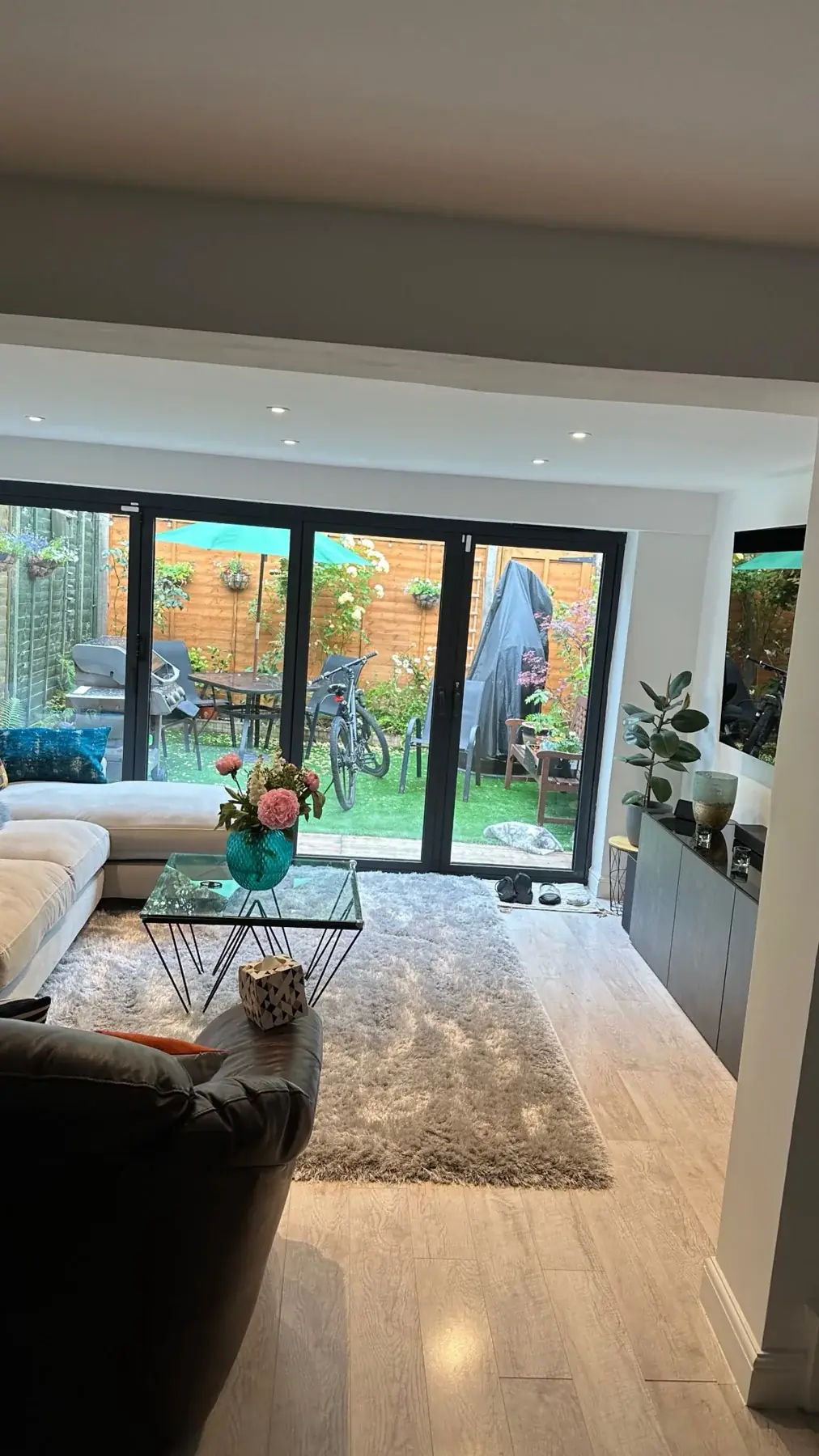
What makes a door fit feel wrong even if the leaf is new?
Often it is the frame, clearance or hardware rather than the door itself. If the opening is uneven or the fittings are poorly matched, the result can bind, rattle or sit awkwardly in the room.
Why should the frame be checked before ordering a replacement door?
Because the new door has to suit the opening it will sit in. If the frame is staying, its condition and dimensions determine what can be fitted neatly without extra alteration.
How should door work be handled in a larger refurb?
It should be coordinated with the surrounding finishes and any opening changes. That way the joinery, decoration and hardware all line up, rather than each trade working from a different assumption.
Planning and project guidance
- Listed buildings and conservation areas | Brent Council
- GOV.UK · Planning permission
- GOV.UK · Building regulations approval
- GOV.UK · Party walls and building work
Check the current guidance for your address before relying on a planning route. This guide is not a planning decision or a verified local case study.
Other services in Willesden








