
Brent · West London
Roofingin Willesden.
A roof problem often shows up far from the real cause. That is why roofing decisions need to start with the condition of the covering, the junctions and the drainage paths, then move to the repair method. Fixing the visible spot alone can leave the underlying issue behind.
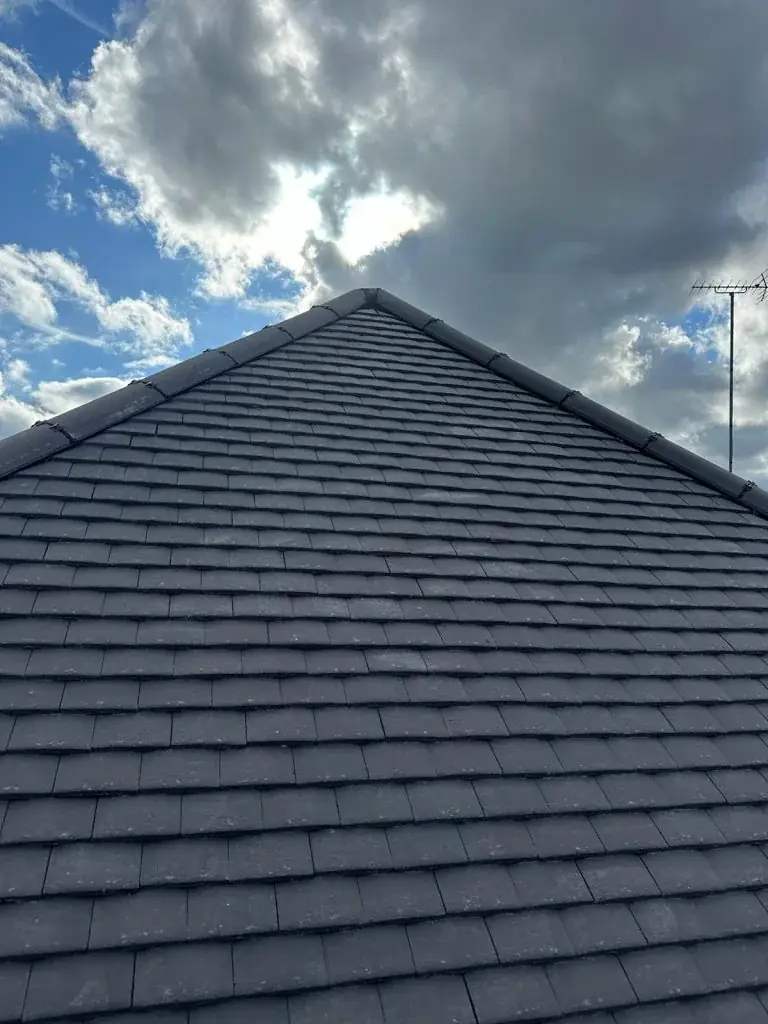
- Service
- Roofing
- Neighbourhood
- Willesden
- Borough
- Brent
- Next step
- Discuss your project
Your project brief
Trace the cause before agreeing the repair
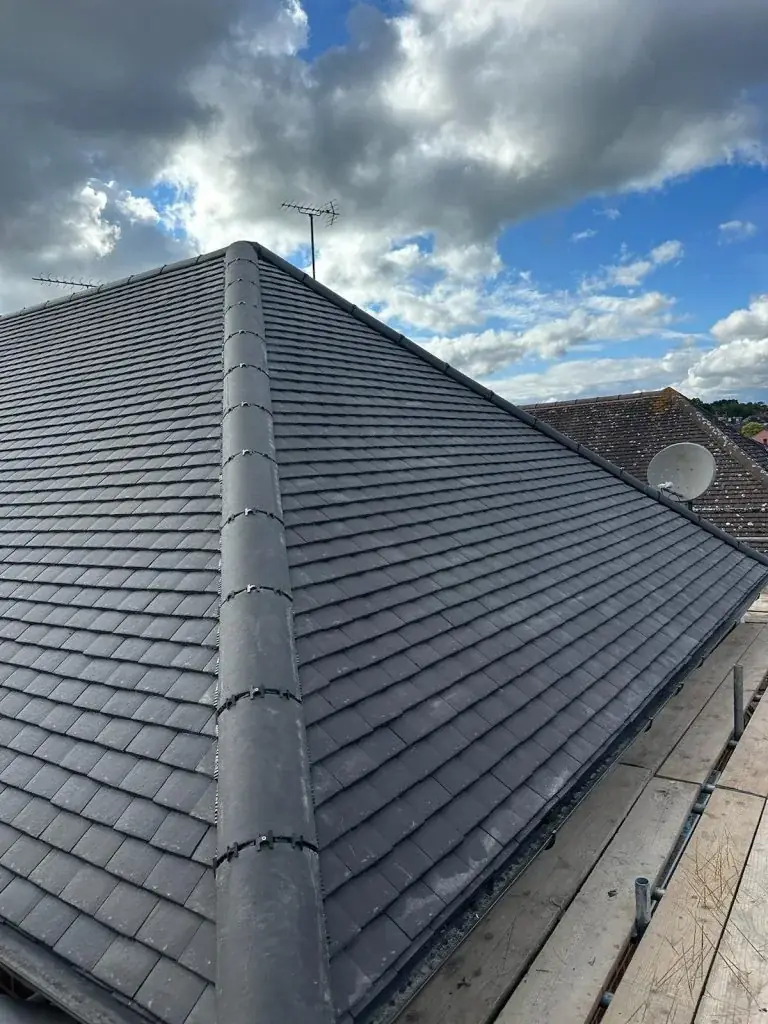
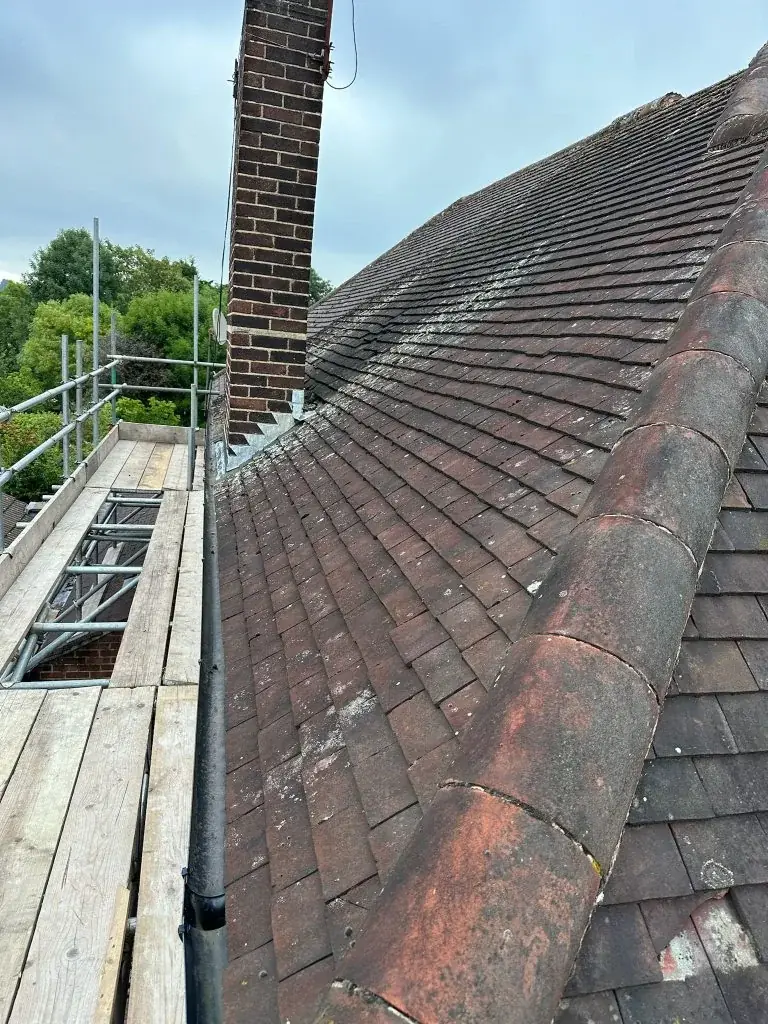
The first step is an inspection of the accessible parts of the roof to understand what is actually failing. Tiles or slates may be visible, but the problem can also involve flashings, abutments, ridges or rainwater details. A proper diagnosis saves you from treating symptoms instead of the source.
If the roof is being altered as part of a loft conversion or wider refurbishment, the roofing scope has to sit alongside the structural design. That matters because changes to the roof shape or openings can affect how the covering and junctions are built back up. The order should be cause, structure, then finish.
Willesden roof checks with Brent address awareness
Brent’s council guidance shows that heritage status can apply to individual properties, and the exact address needs checking where a roof repair could affect a listed or conservation-related building. For most ordinary roofs, the decision path is more straightforward: inspect the accessible defects, identify the real source and agree the repair scope before the work starts.
Design decisions
Keep repair and replacement separate in the brief
A repair, a replacement and a conversion-linked roof change are not the same job. The scope should say which elements are being patched, which are being renewed and which are staying in place. That clarity avoids turning a limited roof issue into a vague promise of a complete overhaul.
The aim is a proportionate solution. Sometimes the most important work is at a flashing or edge detail rather than the whole covering. A well-written brief makes that distinction so the project can be priced and carried out against the real problem, not the most dramatic-looking one.
Design checks
Four things we confirm before drawing roofing work.
- 01Inspect accessible defects and identify the likely cause before repairing.
- 02Separate patch repairs, replacement work and conversion-related changes.
- 03Check flashings, abutments and rainwater junctions alongside the covering.
- 04Confirm access and safe working arrangements in the scope.
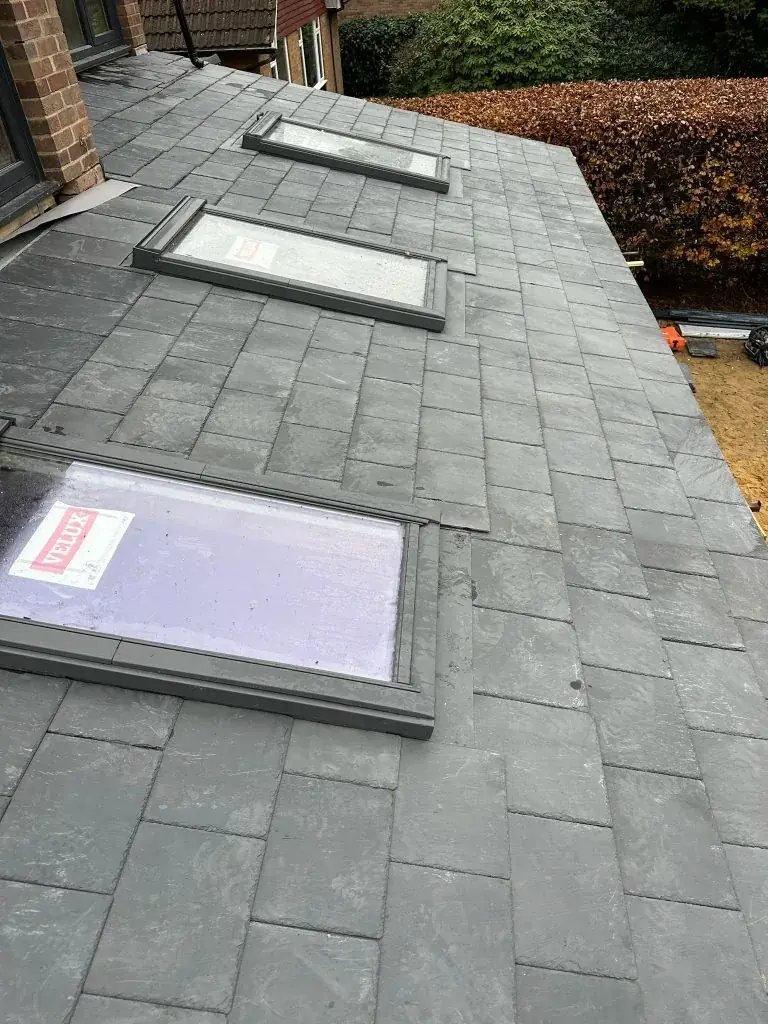
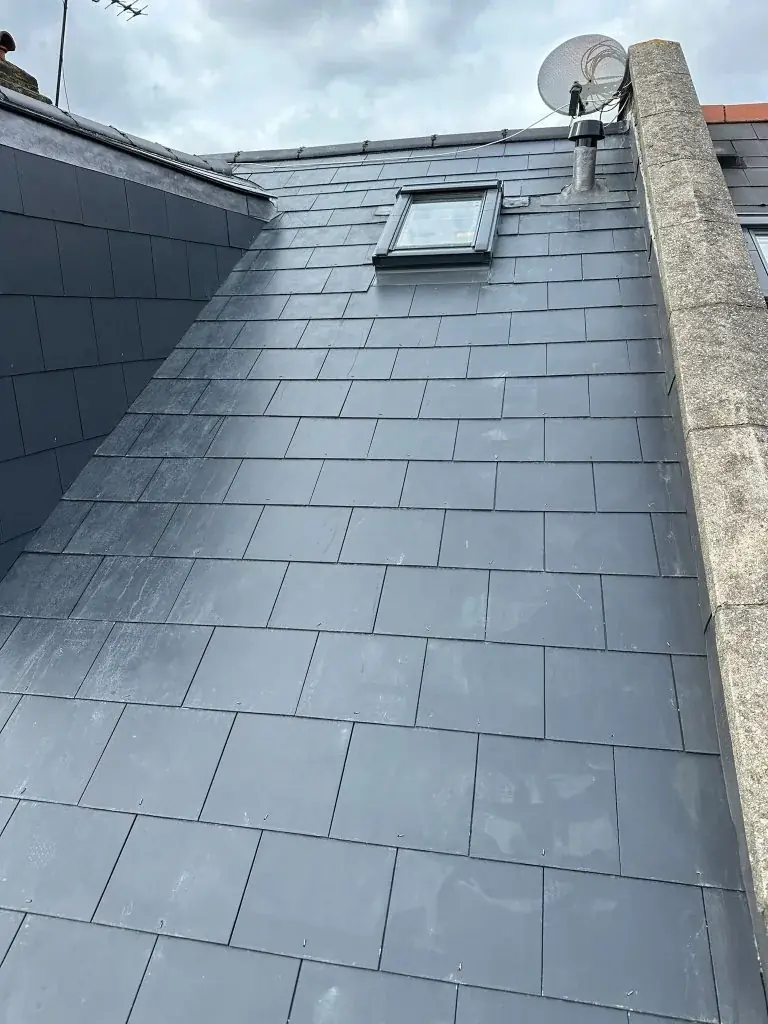
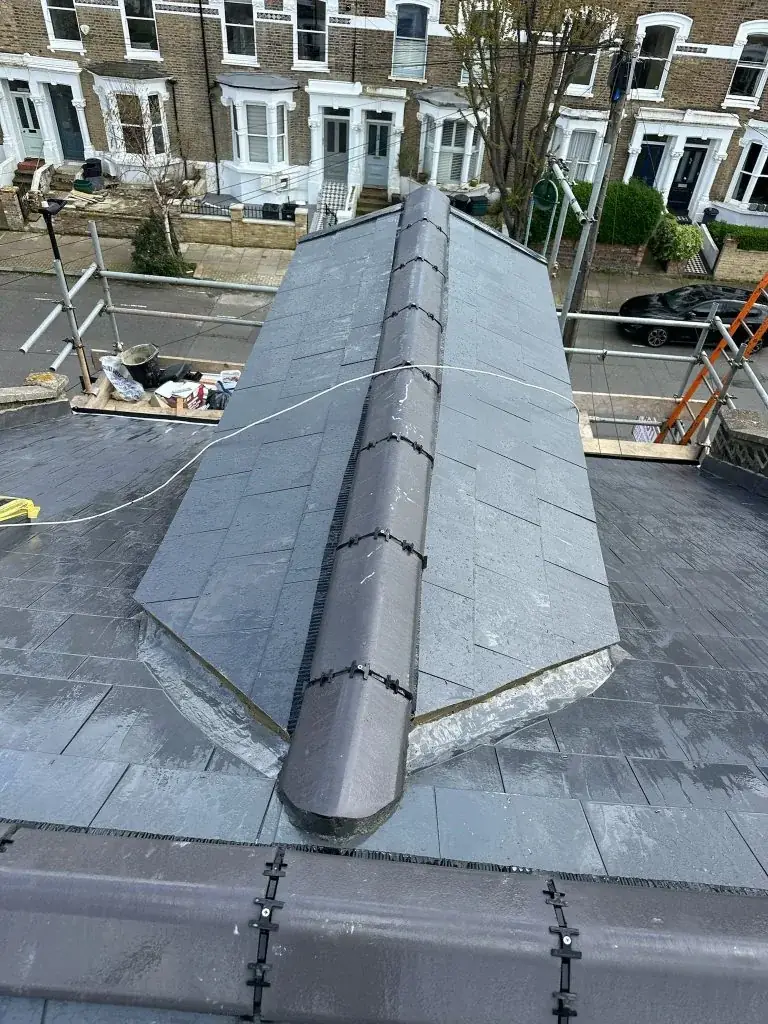
Why is a roof leak not always fixed by replacing the damaged tile?
Because the visible stain may be caused by a flashing, junction or drainage issue elsewhere. The repair should target the source of water entry, not just the tile closest to the damp patch.
How should roofing work be planned if a loft conversion is also being considered?
The roof alterations need to be coordinated with the structural design, because openings and changes to the roof can affect the covering and its details. It is better to plan that relationship early than alter the roof twice.
What should a roofing scope make clear from the start?
It should say whether the job is a repair, a replacement or a change linked to another project. That helps everyone understand the level of intervention and avoids assumptions about the amount of roof being renewed.
Planning and project guidance
- Listed buildings and conservation areas | Brent Council
- GOV.UK · Planning permission
- GOV.UK · Building regulations approval
- GOV.UK · Party walls and building work
Check the current guidance for your address before relying on a planning route. This guide is not a planning decision or a verified local case study.
Other services in Willesden








