
Berkshire · Windsor · Town service guide
Gardensin Windsor.
A garden is part of the home’s daily use, not a separate decorative add-on. The best choices balance appearance with drainage, access and how the outside space connects to the rooms that open onto it.
- Service
- Gardens
- Town / city
- Windsor
- County
- Berkshire
- Next step
- Discuss your project
Your project brief
Build the outside space around how it is used
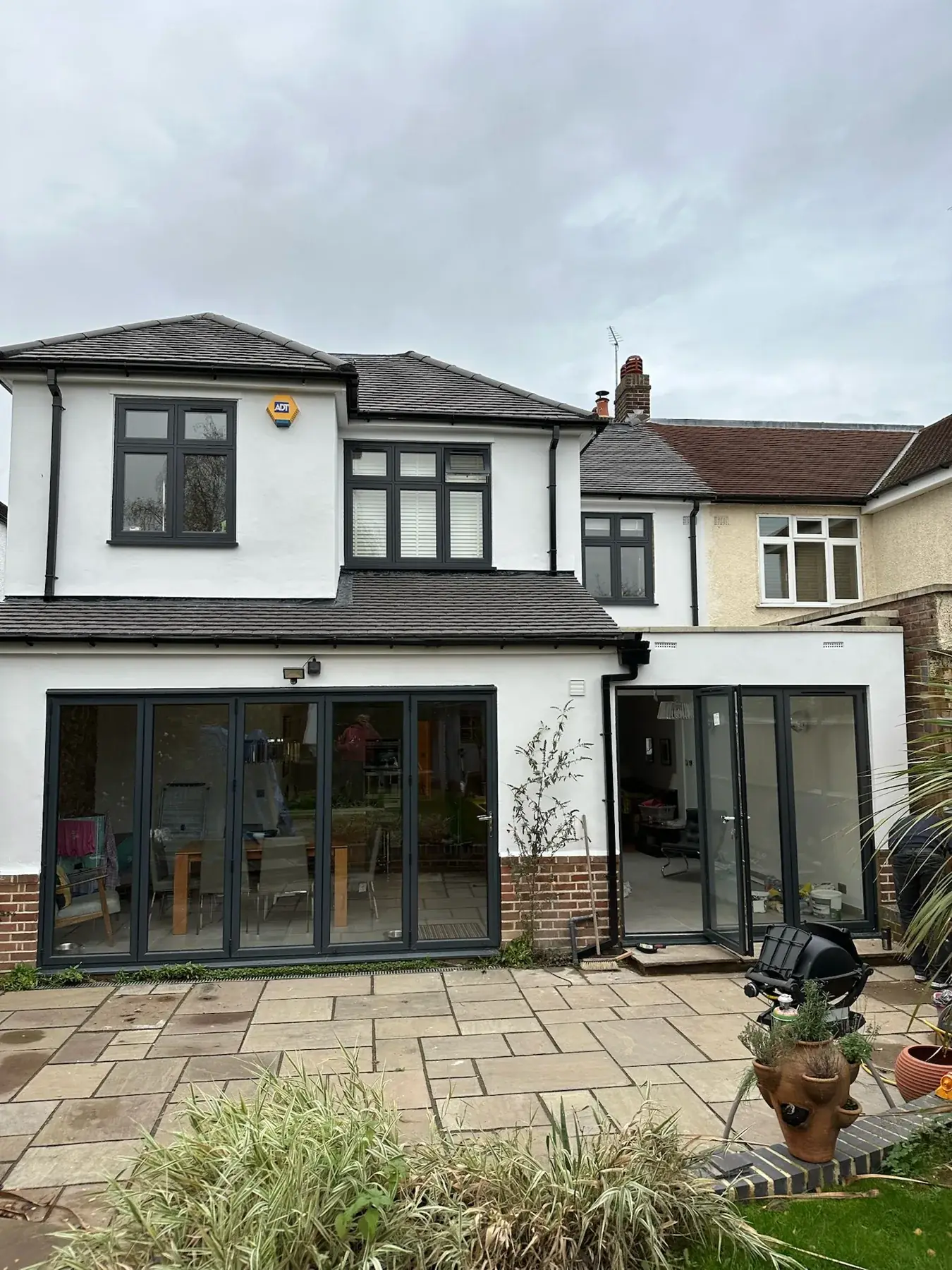
Before choosing paving or planting, consider what the garden needs to do: sitting space, access, storage, circulation or a cleaner route from the house. A design that ignores those uses can leave the space attractive but not very practical, especially where the house opens directly onto it.
Levels matter here. If the ground slopes awkwardly or the surface runs towards the building, the finish may need regrading or a different hard-landscaping approach. That should be considered alongside the house, because the threshold, garden surface and drainage all affect one another.
Windsor checks for external work near the house
For Windsor, the property should be checked against the relevant conservation boundary by exact address. The Royal Borough lists Windsor Town Centre, Inner Windsor and Trinity Place/Clarence Crescent separately, and Old Windsor and Mill Lane in Clewer Village also have their own entries. The council says to use the individual boundary maps and, if needed, request any missing appraisal feature map so the external design is based on the correct document set.
Design decisions
Keep boundaries, drainage and materials in the same brief
Boundary features and surface-water arrangements should not be treated as afterthoughts. A patio, path or fence line can affect both maintenance and neighbour relations, so ownership and responsibility should be clear before work starts. Materials should also suit the amount of use and exposure the space will receive.
If the garden is part of a larger refurbishment, the outside should be sequenced with the interior. For example, a possible brief might include making good the garden surface after building access, then finishing the permanent hard landscaping once heavy work is complete. That avoids damaging a finished space unnecessarily.
Design checks
Four things we confirm before drawing garden improvements.
- 01Patios, paths and areas of hard landscaping within an agreed design.
- 02Garden levels and surface-water arrangements assessed alongside the house.
- 03Boundary features, fencing and gates where access and ownership are established.
- 04Ground preparation, lawn or planting areas and making good after building work.
What should be checked before changing the surface levels in a garden?
Look at the relationship between the garden, the house threshold and the water run-off path. Changes in level can affect drainage, access and neighbouring boundaries, so those points should be understood before the surface is built up or reduced.
How do I decide between hard landscaping and planting-led changes?
Think about use and maintenance. If the area needs access, seating or a durable route, hard landscaping may be more appropriate. If the priority is softer appearance or biodiversity, planting areas may do more of the work. Often the best answer is a mix.
What is the main risk of leaving garden work until the end of a building project?
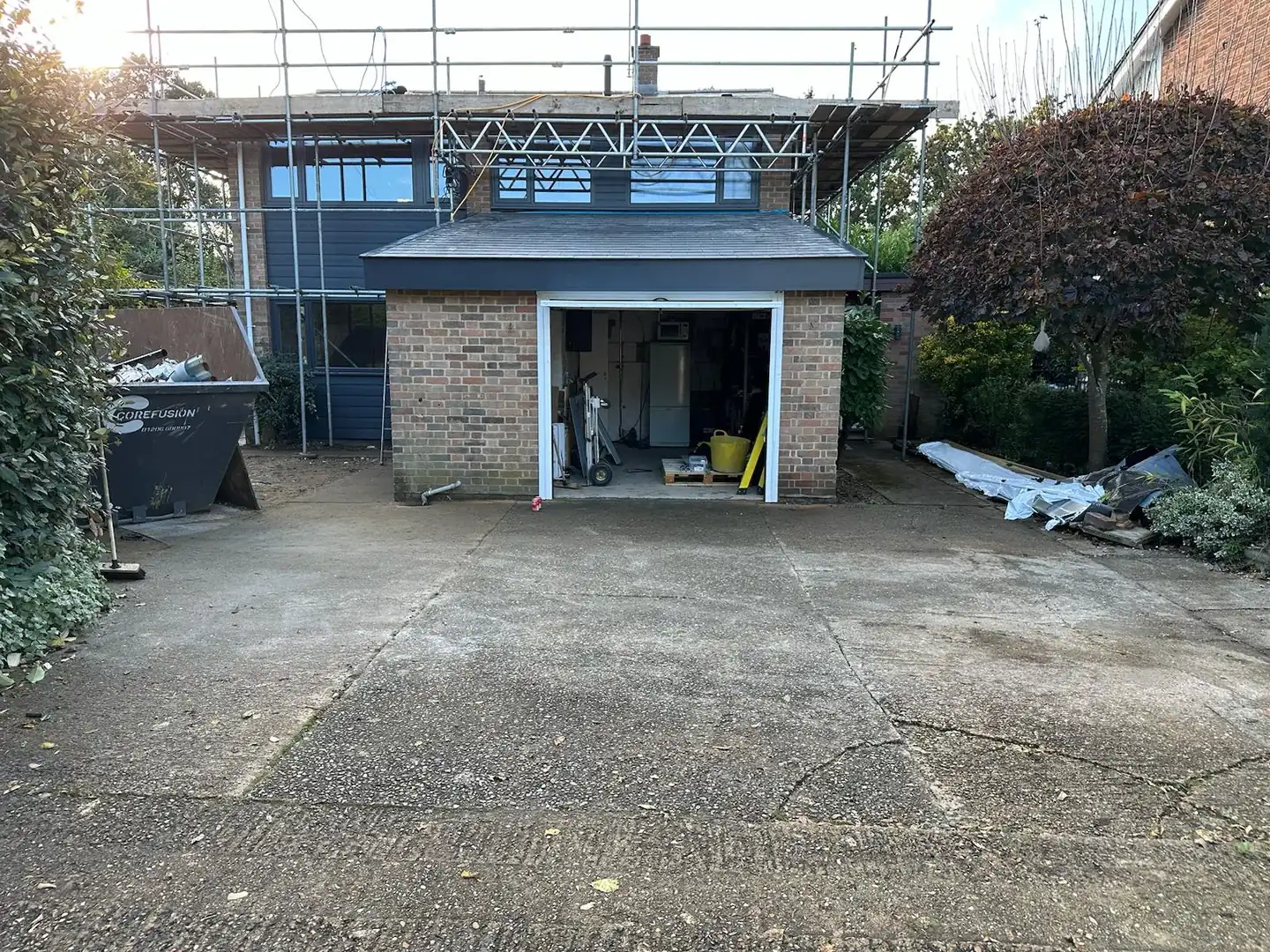
The finished garden can be damaged by deliveries, scaffolding or final making-good if it is installed too early. It is usually better to sequence the outside work so it supports the completed house rather than being repeatedly disturbed by construction traffic.
Planning and project guidance
- Royal Borough of Windsor and Maidenhead · individual conservation maps and appraisals
- GOV.UK · Planning permission
- GOV.UK · Building regulations approval
- GOV.UK · Party walls and building work
Check the current guidance for your address before relying on a planning route. This guide is not a planning decision or a verified local case study.
Other services in Windsor








