
Berkshire · Windsor · Town service guide
Renderingin Windsor.
Rendering changes the appearance of an exterior wall, but the finish has to suit the construction beneath it. The right choice depends on the wall condition, the existing surface and how the new finish will sit beside openings and adjoining materials.
- Service
- Rendering
- Town / city
- Windsor
- County
- Berkshire
- Next step
- Discuss your project
Your project brief
Check the wall before choosing a render system
Not every wall can take the same treatment. Cracks, weak patches or trapped moisture can all affect performance, so the background should be assessed before the finish is specified. Older solid walls may need a more breathable approach than a standard modern system.
That is why render should be planned as a technical finish, not only a visual one. If the wall is being repaired as part of a larger project, the condition of the substrate and the reason for the existing failure should be understood first. Otherwise the new finish may repeat the same problem.
Windsor checks before changing an external wall finish
In Windsor, the exact property should be checked against the council’s individual maps rather than using the town name alone. The Royal Borough lists Windsor Town Centre, Inner Windsor and Trinity Place/Clarence Crescent separately, with Old Windsor and Mill Lane in Clewer Village also having their own entries. If the online appraisal does not include its summary feature map, request it before fixing the external finish or details.
Design decisions
Detail the edges and external junctions carefully
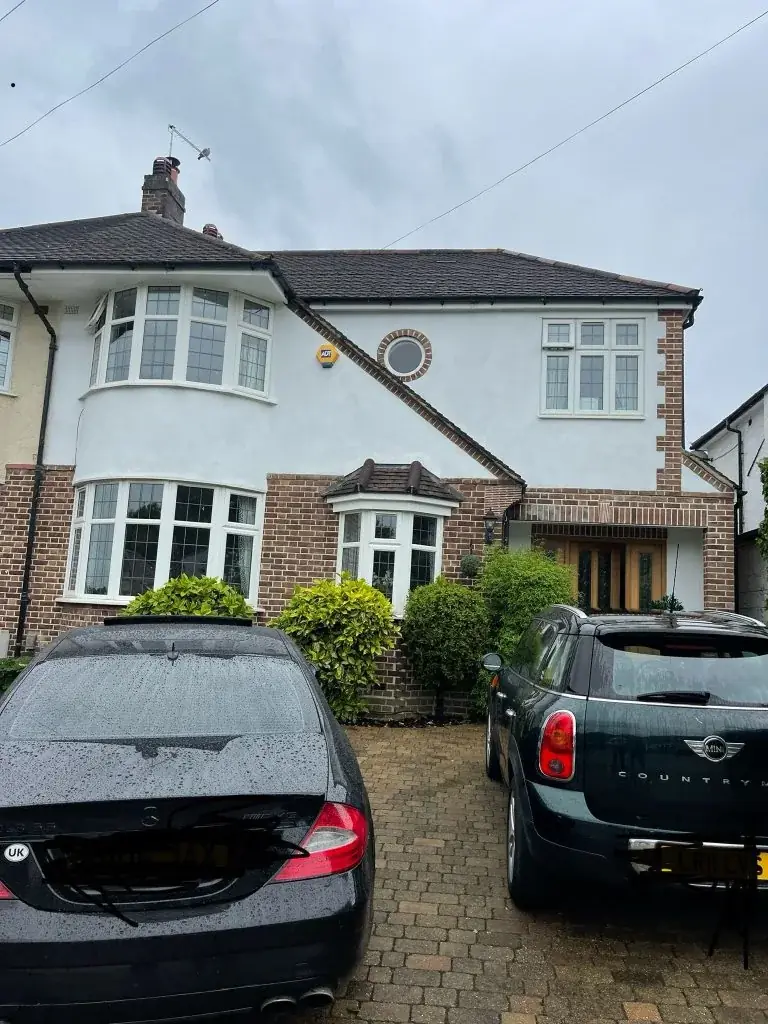
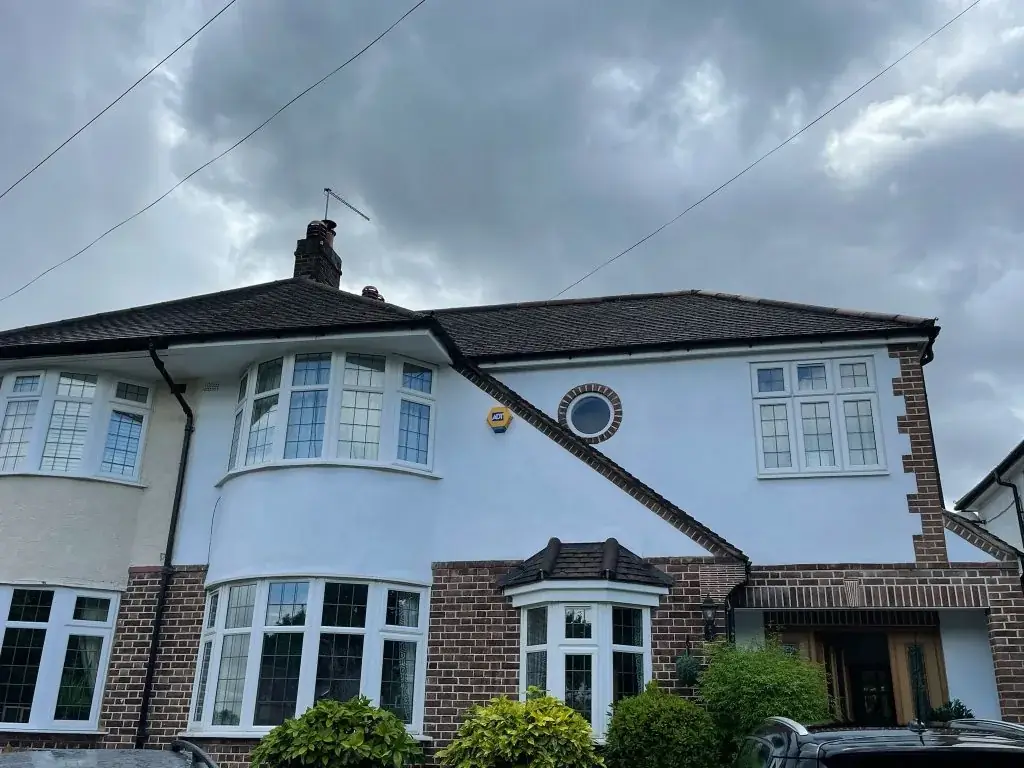
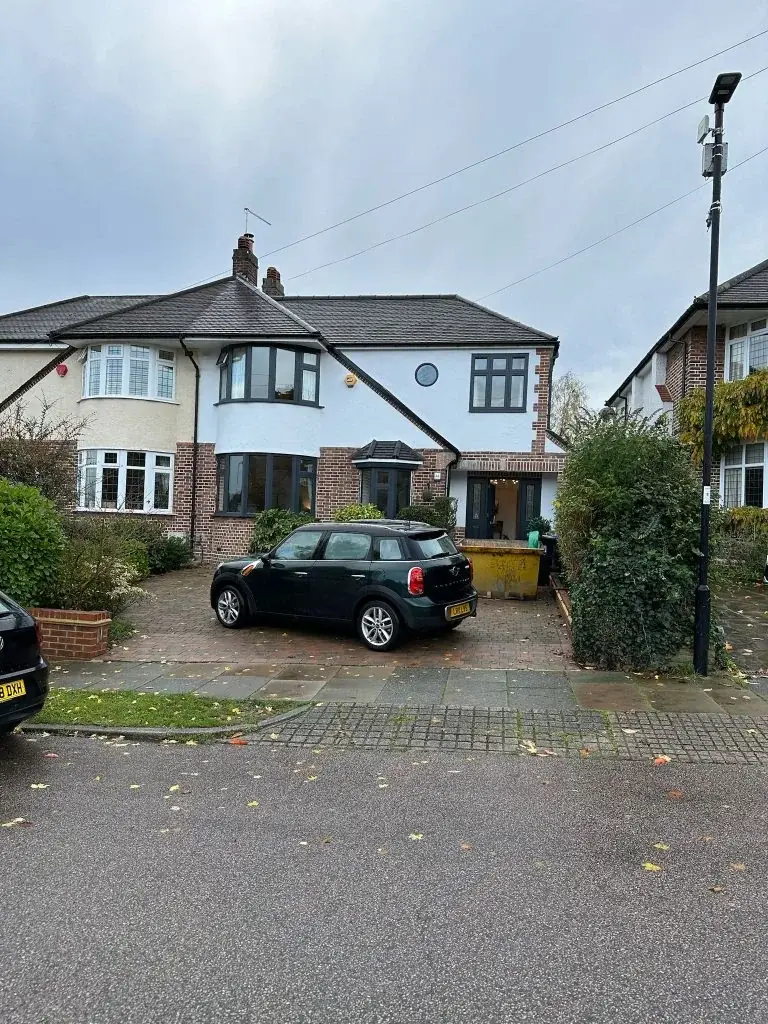
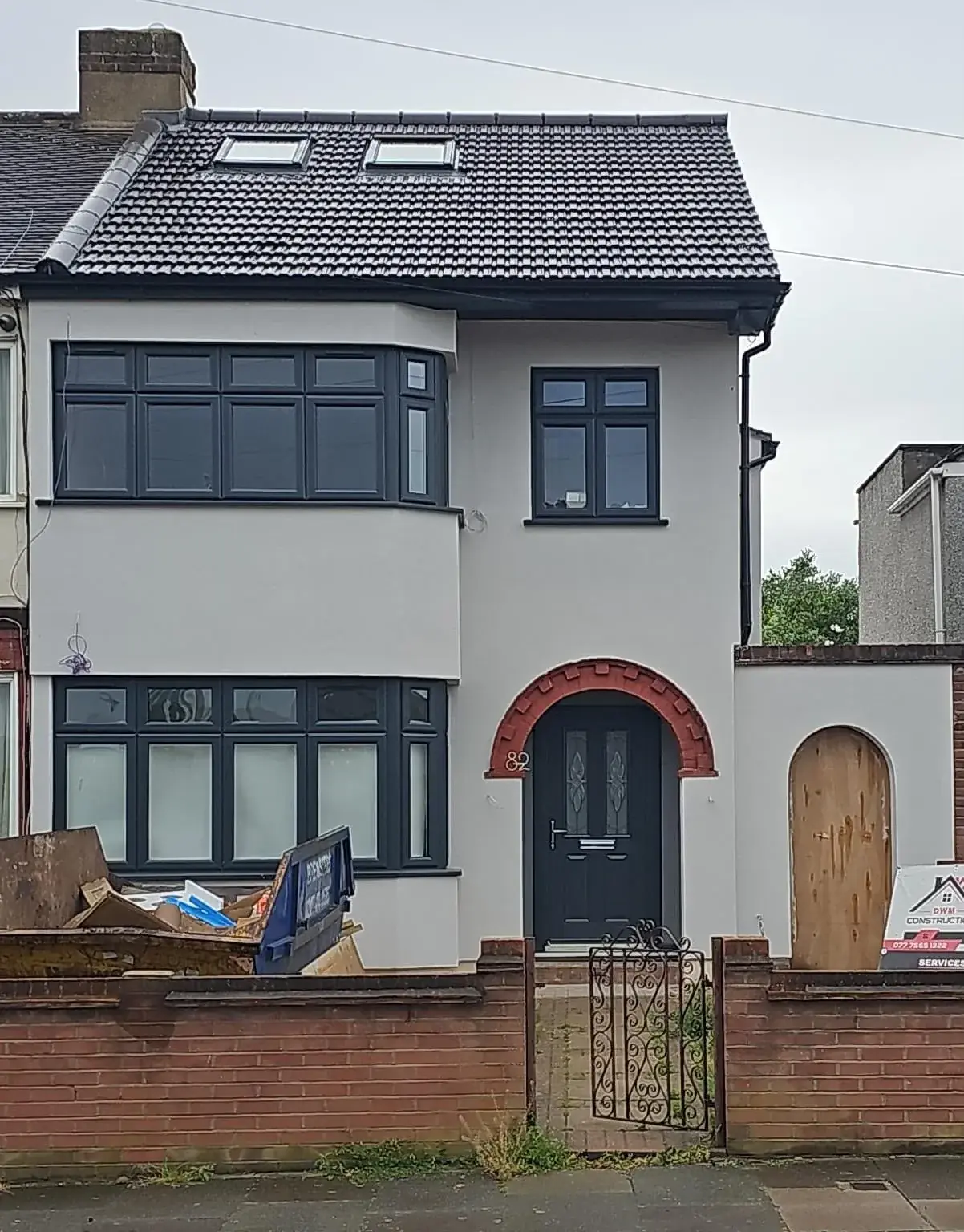
The appearance of render is strongly affected by the junctions around windows, doors, roof edges and adjoining materials. Those interfaces need to be considered early because they influence both weathering and the final look. A neat finish in one area can still fail if the edges are poorly resolved.
If insulation or other external changes are part of the brief, they need to be worked through alongside the render design. The homeowner should know what is included in the preparation, what will be repaired or removed and how access will be managed before the system is applied.
Design checks
Four things we confirm before drawing external rendering.
- 01Assessment and preparation of suitable external wall backgrounds.
- 02Removal or repair of failed render where the agreed approach requires it.
- 03Application of a specified render system with compatible details and finishes.
- 04Junctions around openings, roof edges and adjoining materials considered within the scope.
How do I know if an existing wall is suitable for rendering again?
The background needs to be assessed for strength, moisture and movement. If the old finish failed because of an underlying issue, that cause should be identified first so the new render does not simply repeat the same defect.
Why do edges and openings matter so much in rendering?
Because those are the places where weathering and material changes meet. A render can look fine in the middle of a wall but still perform badly if the junctions around windows, doors or roof edges are not properly thought through.
Can rendering be part of a wider exterior improvement project?
Yes, and it often works best that way. The render can be planned alongside repairs, insulation or other external changes, as long as the scope is clear about what is being altered, what is being repaired and how the details join together.
Planning and project guidance
- Royal Borough of Windsor and Maidenhead · individual conservation maps and appraisals
- GOV.UK · Planning permission
- GOV.UK · Building regulations approval
- GOV.UK · Party walls and building work
Check the current guidance for your address before relying on a planning route. This guide is not a planning decision or a verified local case study.
Other services in Windsor








